How To Save Money On Car Body Repairs: DIY Hacks And Pro Tips
Hey there! Are you tired of spending a fortune on car body repairs? Whether it’s a scratch, dent, or a more serious issue, the costs can really add up. But fear not, because there are plenty of ways you can save money on car body repairs with some do-it-yourself hacks and pro tips. In this article, we’ll cover everything from repairing small scratches to fixing dents, all while keeping your wallet happy. So let’s dive in!
DIY Hacks for Small Scratches
Got a minor scratch on your car’s body? Don’t worry, you can easily fix it at home with some simple DIY hacks. Here are a few tips to help you get those small scratches looking as good as new:
-
Use Nail Polish: If you have a small scratch that’s only on the surface of the paint, nail polish can be a quick and easy fix. Just find a nail polish color that matches your car’s paint, apply it to the scratch, and let it dry. Once it’s dry, buff it out with a soft cloth to blend it in with the surrounding paint.
-
Try Toothpaste: Believe it or not, toothpaste can work wonders on small scratches. Simply apply a small amount of toothpaste to the scratch, rub it in gently with a soft cloth, and then wipe it off with a clean cloth. The abrasive properties of the toothpaste can help smooth out the scratch and make it less noticeable.
-
Use a Scratch Repair Kit: If the scratch is a bit more stubborn, consider investing in a scratch repair kit. These kits usually contain everything you need to fix minor scratches, including compounds, polishes, and applicator pads. Just follow the instructions on the kit and you’ll have your scratch fixed in no time.
Pro Tips for Dents and Dings
Dealing with a dent or a ding on your car’s body? While these issues may seem more daunting to fix, there are still ways you can save money on repairs. Here are some pro tips for tackling dents and dings on your own:
-
Use a Plunger: Believe it or not, a plunger can be a handy tool for removing small dents from your car’s body. Simply wet the suction cup of the plunger, place it over the dent, and give it a few firm pumps. The suction created by the plunger can help pop out the dent and restore the body panel to its original shape.
-
Try a Hair Dryer and Compressed Air: For dents that are shallow and have not damaged the paint, you can try using a hair dryer and compressed air to pop them out. Heat the dent with the hair dryer for a few minutes to soften the metal, then quickly spray it with compressed air. The sudden change in temperature can cause the metal to contract and pop the dent out.
-
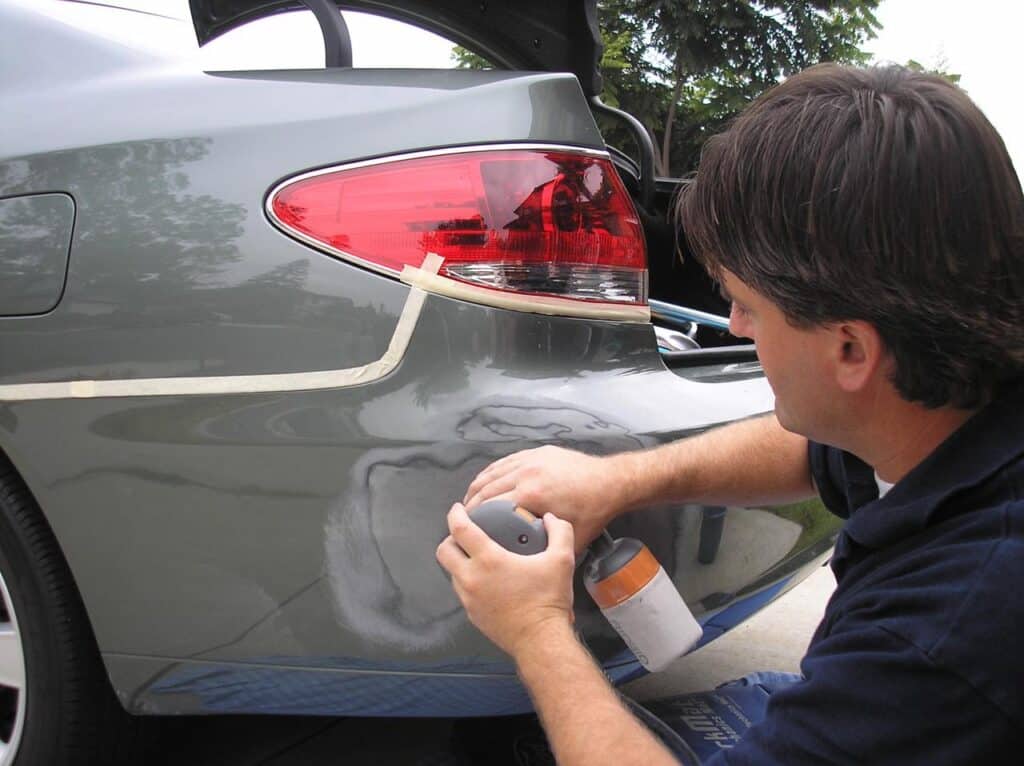
Invest in a Dent Repair Kit: If you have multiple dents or dings to fix, consider purchasing a dent repair kit. These kits usually come with special tools, such as dent pullers and glue tabs, that can help you remove dents without damaging the paint. Just be sure to follow the instructions carefully to avoid causing any further damage.
Preventing Rust and Corrosion
One of the biggest concerns when it comes to car body repairs is preventing rust and corrosion from taking hold. Rust can quickly spread and cause extensive damage to your car’s body, leading to costly repairs down the line. Here are some tips for preventing rust and corrosion:
-
Wash Your Car Regularly: One of the best ways to prevent rust is to wash your car regularly, especially during the winter months or after driving on salt-covered roads. Salt can accelerate the rusting process, so be sure to remove it from your car’s body as soon as possible.
-
Apply Wax and Sealants: Waxing your car and applying sealants can create a protective barrier against moisture and contaminants that can cause rust. Be sure to wax your car at least a few times a year to keep the paint in good condition and prevent rust from forming.
-
Repair Scratches and Chips Promptly: Small scratches and chips in your car’s paint can provide an entry point for moisture and rust to develop. Be sure to repair these issues promptly to prevent them from spreading and causing more damage to your car’s body.
DIY Painting Tips for a Professional Finish
If you’re tackling a larger repair job that involves repainting a section of your car’s body, it’s important to take the right steps to achieve a professional finish. Here are some DIY painting tips to help you get the job done right:
-
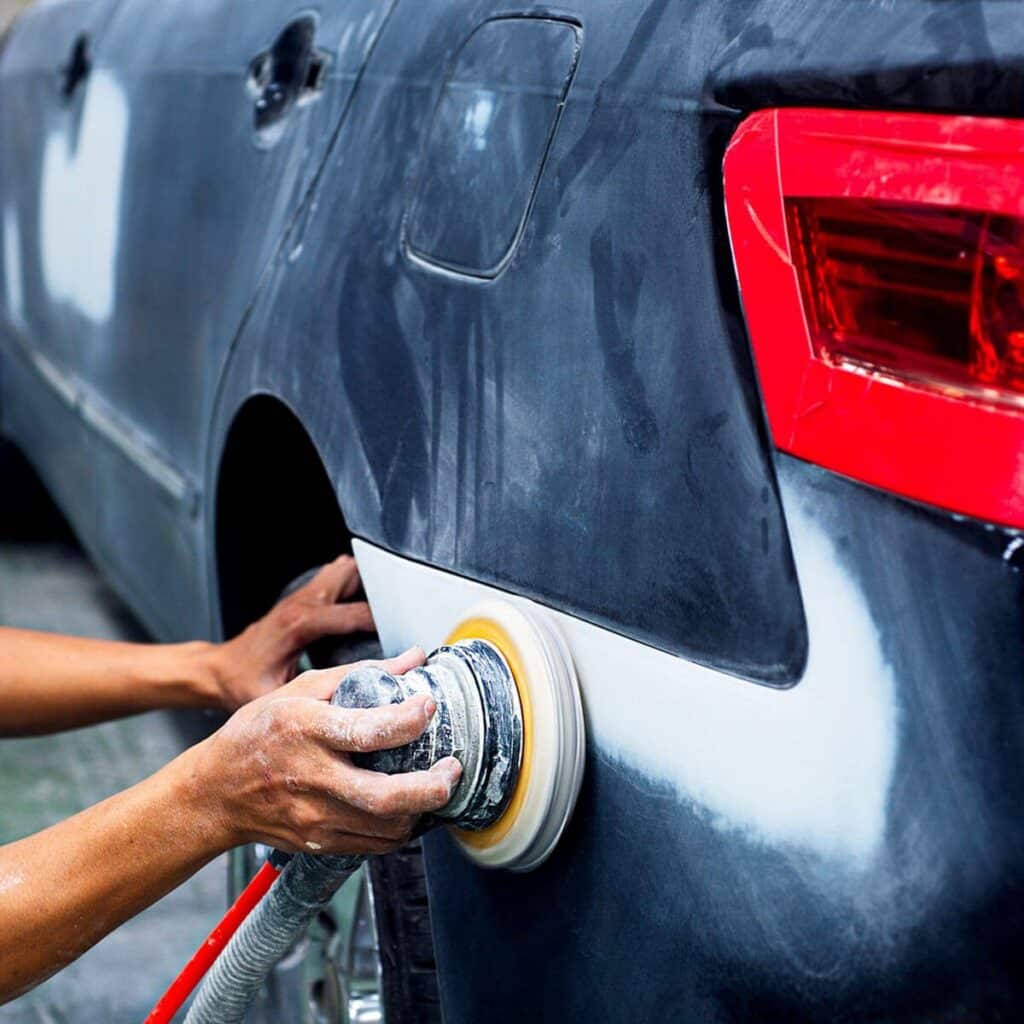
Prep the Surface: Before painting, be sure to clean and sand the surface of the area you’re painting. This will help the paint adhere properly and ensure a smooth finish. Use a primer to prep the surface and create a solid base for the paint to stick to.
-
Use Light Coats: When painting, it’s best to apply several light coats of paint rather than one thick coat. This will help prevent runs and drips, and ensure a more even finish. Be sure to let each coat dry completely before applying the next one.
-
Use Clear Coat: Once you’ve finished painting, be sure to apply a clear coat to protect the paint and give it a glossy finish. Clear coat can also help prevent fading and chipping, so be sure to apply it according to the manufacturer’s instructions.
Knowing When to Call a Professional
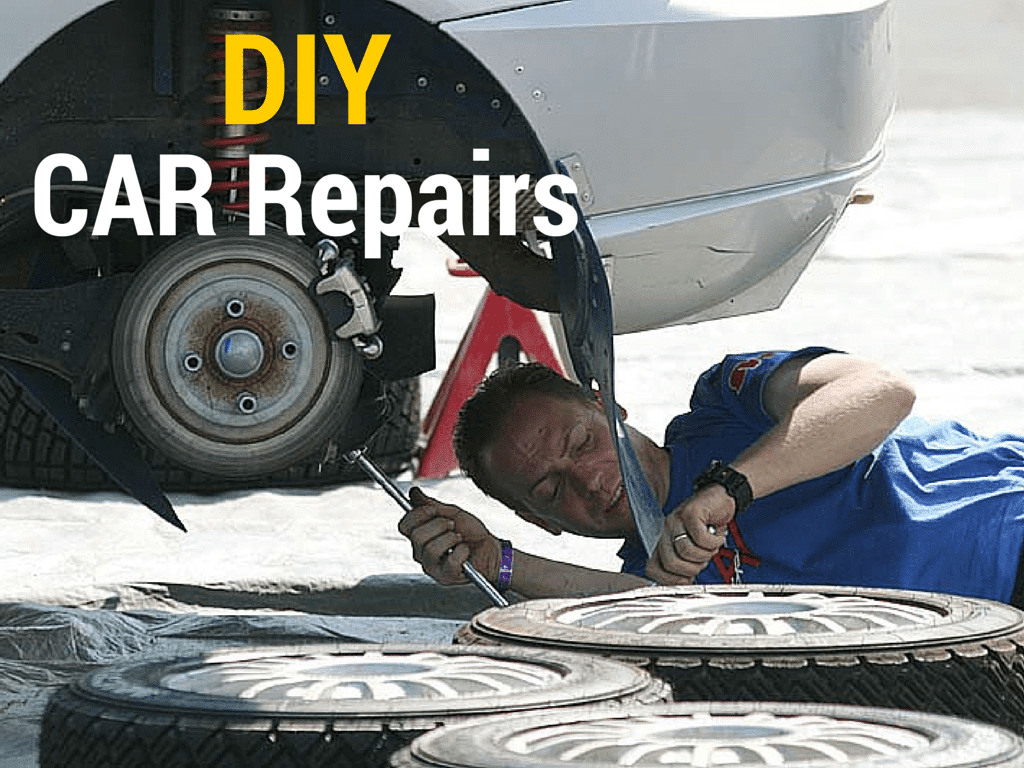
While many car body repairs can be done at home with a bit of know-how and elbow grease, there are some issues that are best left to the professionals. Here are a few signs that it’s time to call in the experts:
-
Extensive Damage: If your car has sustained major damage, such as a large dent or deep scratch, it’s best to leave it to the professionals. They have the tools and experience to handle more complex repairs and ensure your car looks good as new.
-
Paint Matching: Matching your car’s paint color can be tricky, especially if you have a unique or metallic finish. If you’re having trouble finding the right color match, it’s best to consult a professional to ensure a seamless repair.
-
Structural Damage: If your car’s body has sustained structural damage, such as a bent frame or significant rust, it’s important to have it inspected by a professional. Structural issues can affect the safety and integrity of your vehicle, so it’s best to have them addressed by a trained technician.
Conclusion
So there you have it – a comprehensive guide to saving money on car body repairs with some handy DIY hacks and pro tips. By following these tips and tricks, you can keep your car looking its best without breaking the bank. Remember, with a little patience and some elbow grease, you can tackle many common car body repairs on your own. But when in doubt, don’t hesitate to call in the pros for help. Happy repairing!