Have you ever had a minor fender bender or scratched your car’s body? It can be frustrating and costly to take your car to a repair shop for small damages, but fear not – there are DIY body repair tips you can try at home to save time and money. In this article, I will provide you with practical advice and step-by-step instructions on how to repair minor car body damages like a pro. Let’s get started!
Assessing the Damage
Before you start working on repairing your car’s body, it’s important to assess the extent of the damage. Take a close look at the affected area and identify any dents, scratches, or paint chips. Determine if the damage is superficial or if it has affected the structure of the car.
When assessing the damage, make sure to check for any signs of underlying issues such as rust or corrosion that may require professional attention. Remember, it’s always better to be safe than sorry when it comes to car repairs.

Gathering the Necessary Tools and Materials
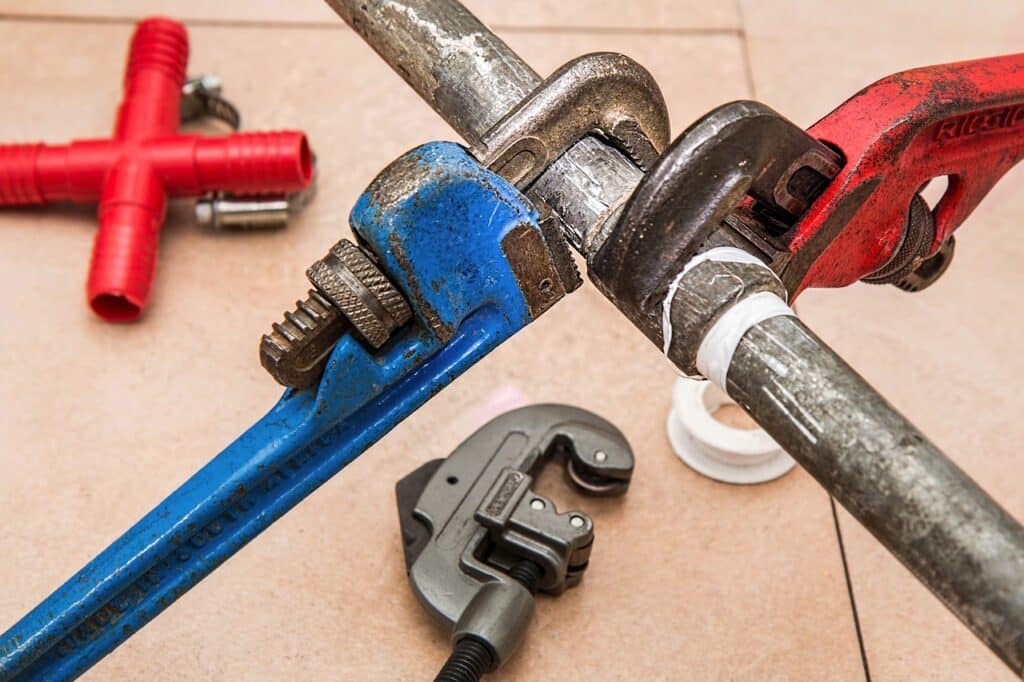
Once you have assessed the damage to your car’s body, it’s time to gather the necessary tools and materials for the repair job. Here’s a list of items you may need:
| Item | Description |
|---|---|
| Sandpaper | Used for smoothing rough surfaces |
| Body Filler | Helps fill in dents and scratches |
| Primer | Prepares the surface for painting |
| Paint | Matches the color of your car’s body |
| Clear Coat | Provides a protective finish to the paint |
| Paint Brush | Used for applying paint and clear coat |
| Masking Tape | Protects surrounding areas from overspray |
| Sanding Block | Ensures even sanding of the surface |
| Gloves | Protects your hands from chemicals |
Make sure to have all the necessary tools and materials on hand before you begin the repair process to avoid any interruptions.

Repairing Small Dents
Small dents on your car’s body can be unsightly, but they can be easily repaired with the right technique. Here’s how you can fix small dents on your own:
- Clean the damaged area: Use a mild detergent and water to clean the affected area and remove any dirt or debris.
- Sand the dent: Use sandpaper to gently sand the dent and surrounding area until it is smooth.
- Apply body filler: Fill the dent with body filler and allow it to dry according to the manufacturer’s instructions.
- Sand the filler: Once the filler is dry, use sandpaper to sand it down until it is level with the rest of the surface.
- Prime and paint: Apply a coat of primer to the repaired area, let it dry, then paint over it with a color-matched paint. Finish with clear coat for added protection.
By following these steps, you can effectively repair small dents on your car’s body and restore its appearance.
Fixing Scratches and Paint Chips
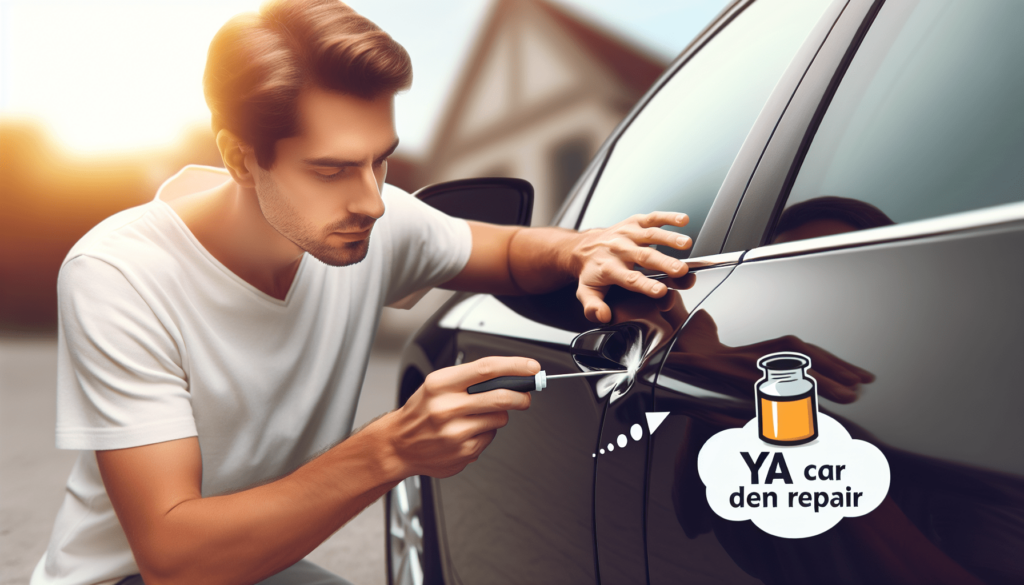
Scratches and paint chips are common car body damages that can be a nuisance. Fortunately, they can be fixed with some DIY know-how. Here’s how you can repair scratches and paint chips on your own:
- Clean the damaged area: Wash the affected area with soap and water to remove any dirt or grime that may interfere with the repair process.
- Sand the scratch: Use fine-grit sandpaper to gently sand the scratch until it is smooth and the edges are feathered.
- Apply touch-up paint: Use a small brush to apply touch-up paint that matches the color of your car. Allow it to dry before applying additional coats if necessary.
- Blend the paint: Use a polishing compound to blend the new paint with the existing paint on your car’s body.
- Apply clear coat: Finish the repair by applying a clear coat to protect the newly painted area and give it a glossy finish.
With these steps, you can easily fix scratches and paint chips on your car’s body and keep it looking good as new.

Dealing with Rust Spots
Rust spots are not only unsightly but can also cause serious damage to your car if left untreated. Here’s how you can deal with rust spots on your own:
- Remove the rust: Use a wire brush or sandpaper to remove the rust from the affected area until you reach bare metal.
- Apply rust converter: Use a rust converter to treat the remaining rust and prevent it from spreading further.
- Fill and sand: Fill any pits or holes left by the rust with body filler, then sand it down until smooth.
- Prime and paint: Apply a coat of primer followed by color-matched paint to the repaired area. Finish with clear coat for added protection.
By following these steps, you can effectively remove rust spots from your car’s body and prevent further damage.
Preventing Future Damages
To prevent future damages to your car’s body, it’s important to take proactive measures and maintain good car care habits. Here are some tips to help you keep your car looking its best:
- Park in a covered or shaded area to protect your car from the elements.
- Wash your car regularly to remove dirt, debris, and road salt that can contribute to corrosion.
- Apply wax or sealant to protect your car’s paint and maintain its shine.
- Use car covers or protective films to prevent scratches and dents when parking in public areas.
- Avoid driving too closely to other vehicles to prevent minor accidents and damages.
By following these tips, you can protect your car’s body from damages and keep it looking great for years to come.
In Conclusion
Repairing minor car body damages doesn’t have to be a daunting task. With the right tools, materials, and know-how, you can easily fix small dents, scratches, and rust spots on your own. By following the DIY body repair tips provided in this article, you can save time and money while keeping your car looking its best. Remember to assess the damage, gather the necessary tools, and take preventative measures to maintain your car’s body in top condition. Happy repairing!