Paintless Dent Removal Vs. Traditional Repair: Pros And Cons
Have you ever wondered about the differences between paintless dent removal and traditional repair methods when it comes to fixing those annoying dents and dings on your vehicle? Let’s take a closer look at the pros and cons of each option to help you make an informed decision.
What is Paintless Dent Removal?
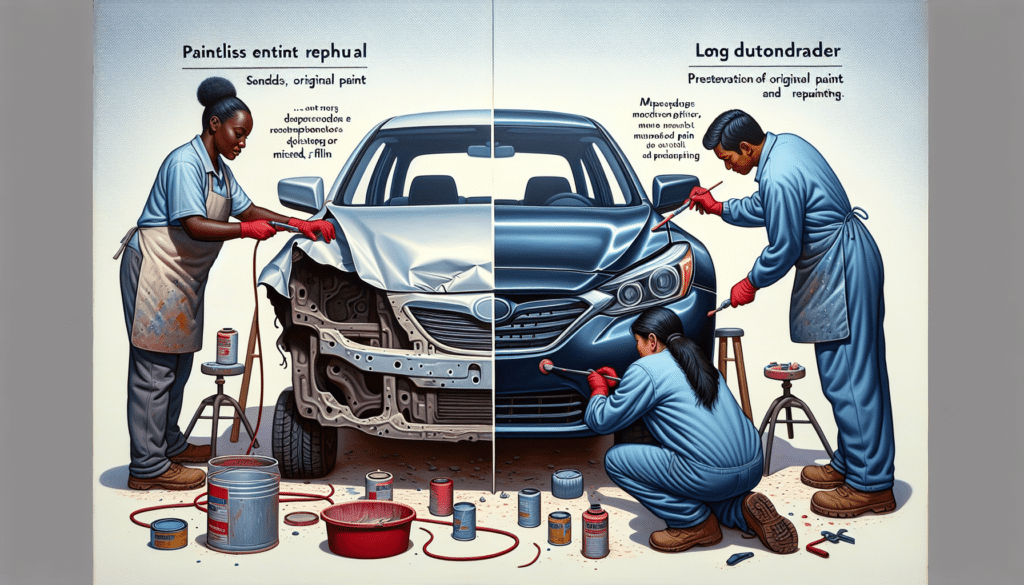
Paintless dent removal, also known as PDR, is a method of repairing dents and dings on a vehicle without the need for repainting or refinishing. This technique involves using specialized tools to push or pull the dent out from the inside of the panel, restoring the metal to its original shape. PDR is often used for small to medium-sized dents where the paint has not been damaged.
The Process of Paintless Dent Removal
When you opt for paintless dent removal, a skilled technician will assess the damage and determine the best approach to fixing the dent. They will use various tools, such as metal rods and dent pullers, to carefully massage the metal back into place. The process can take anywhere from a few minutes to a few hours, depending on the size and complexity of the dent.
What is Traditional Repair?
Traditional repair methods involve filling in the dent with body filler, sanding it down, and repainting the affected area to make it look like new. This process is typically used for larger dents or dents where the paint has been chipped or scratched. While traditional repair can produce excellent results, it is often more time-consuming and costly than paintless dent removal.
The Process of Traditional Repair
When you choose traditional repair for your dented vehicle, the first step is to fill in the dent with body filler and allow it to dry. The technician will then sand down the filler to create a smooth surface, followed by priming and painting the area to match the rest of the vehicle. This process can take several days to complete, depending on the extent of the damage.
Pros and Cons of Paintless Dent Removal
Let’s break down the advantages and disadvantages of paintless dent removal to help you decide if this method is right for you.
Pros:
- Cost-Effective: Paintless dent removal is generally more affordable than traditional repair, as it requires fewer materials and less labor.
- Time-Saving: PDR is a quicker process compared to traditional repair, allowing you to get back on the road sooner.
- Preserves Paint: Since no repainting is required, the original paint finish of your vehicle remains intact.
- Environmentally Friendly: Paintless dent removal does not involve harmful chemicals or solvents, making it a more eco-friendly option.
Cons:
- Limitations: Paintless dent removal is not suitable for all types of dents, especially those with sharp creases or paint damage.
- Skill-Dependent: PDR requires specialized training and experience to achieve optimal results, so it’s essential to choose a skilled technician.
- Insurance Coverage: Some insurance policies may not cover paintless dent removal, leaving you responsible for the cost.
Pros and Cons of Traditional Repair
Now, let’s explore the advantages and disadvantages of traditional repair to help you weigh your options.
Pros:
- Versatility: Traditional repair can be used to fix a wide range of dents, including those with paint damage or deep creases.
- Quality Finish: Repainted areas can look as good as new, seamlessly blending with the rest of the vehicle.
- Insurance Coverage: Traditional repair is more likely to be covered by insurance policies, reducing your out-of-pocket expenses.
Cons:
- Higher Cost: Traditional repair tends to be more expensive than paintless dent removal due to the materials and labor involved.
- Time-Consuming: The process of filling, sanding, priming, and painting can take several days to complete, requiring a longer downtime for your vehicle.
- Paint Matching: Achieving a perfect color match can be challenging, especially for older or custom paint jobs.
Which Method is Right for You?
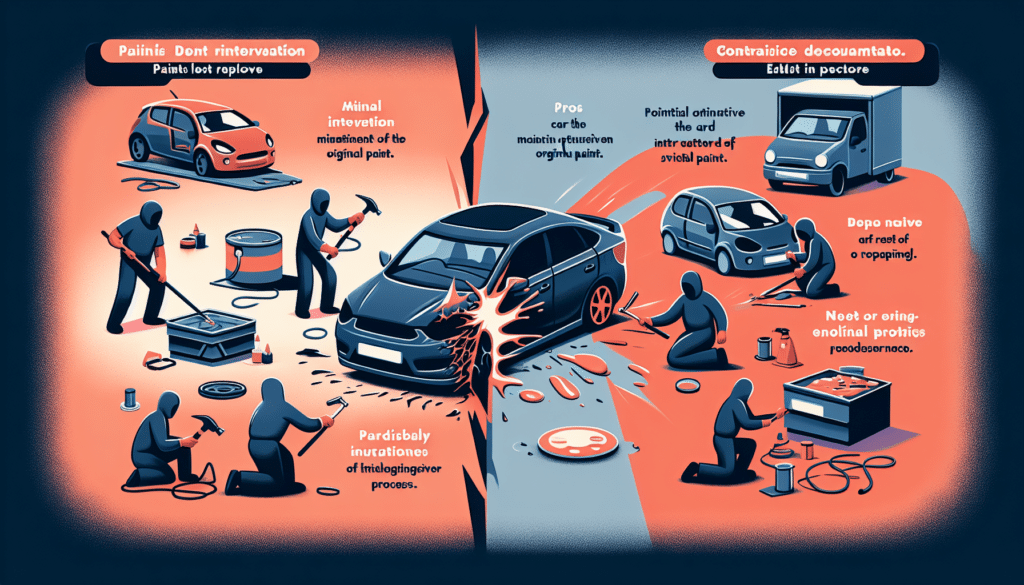
Deciding between paintless dent removal and traditional repair ultimately depends on the extent of the damage to your vehicle, your budget, and your time constraints. Here are some factors to consider when making your decision:
Size and Type of Dent
- Small Dents: Paintless dent removal is ideal for small, shallow dents that have not damaged the paint.
- Large Dents: Traditional repair is better suited for larger dents, especially those with paint damage or deep creases.
Cost Considerations
- Budget: If you’re looking for a more cost-effective option, paintless dent removal may be the way to go.
- Insurance Coverage: Check with your insurance provider to see if either method is covered under your policy.
Time Constraints
- Quick Fixes: If you need a quick turnaround, paintless dent removal can often be completed in a fraction of the time compared to traditional repair.
- Patience is a Virtue: Traditional repair may take longer, but the results can be worth the wait if you’re willing to invest the time.
Making an Informed Decision
When it comes to repairing dents on your vehicle, both paintless dent removal and traditional repair have their own set of pros and cons. By understanding the differences between these methods and considering your specific needs and preferences, you can make an informed decision that ensures your vehicle looks its best. Whether you opt for the cost-effective convenience of paintless dent removal or the quality finish of traditional repair, remember that the most important thing is getting your vehicle back on the road in top condition.