Are you looking to improve your painting skills and enhance your finished projects? To achieve professional-level results, having the right tools and techniques is essential. In this comprehensive guide, we will walk you through the must-have equipment and effective techniques for setting up and using a paint booth. Let’s get started!
The Importance of a Clean Paint Booth
Maintaining a clean paint booth is crucial to ensuring high-quality paint jobs. Without proper cleanliness, dust, dirt, and debris can become trapped in the paint, leading to imperfections on the finished surface. To avoid these issues, it is essential to keep your paint booth clean and well-maintained.
Tips for Keeping Your Paint Booth Clean
One way to keep your paint booth clean is by regularly cleaning and replacing filters. Filters are designed to trap contaminants, so it is essential to clean or replace them according to the manufacturer’s recommendations. Additionally, regularly sweep the floors and walls of your paint booth to remove any dust or debris that could potentially compromise your paint job.
Essential Equipment for Your Paint Booth
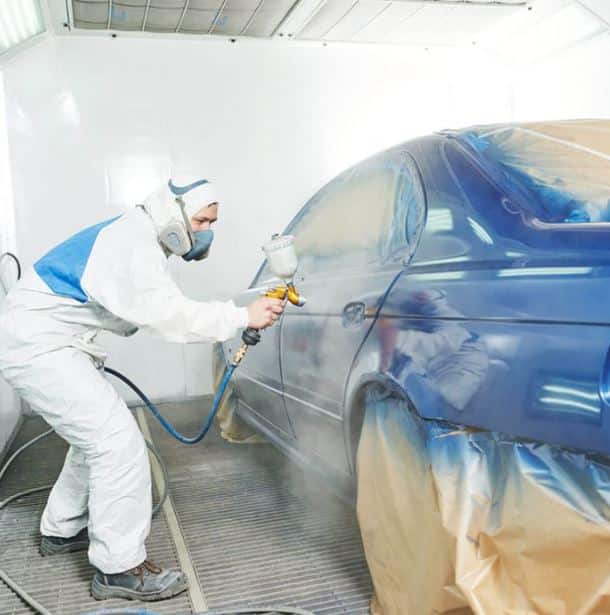
Equipping your paint booth with the right tools can make a significant difference in the quality of your work. From ventilation systems to spray guns, having the proper equipment can streamline your painting process and deliver professional results.
Ventilation Systems
Proper ventilation is essential in a paint booth to ensure the safety of the painter and prevent the accumulation of fumes and overspray. Ventilation systems eliminate harmful chemicals and maintain a clean environment for painting. There are two primary types of ventilation systems:
| Type of Ventilation System | Description |
|---|---|
| Downdraft Ventilation | The most efficient system for removing overspray and fumes, as it pulls air downward and away from the painter. |
| Crossdraft Ventilation | Air is drawn horizontally across the painting area, carrying overspray and fumes out of the booth. |
Spray Guns
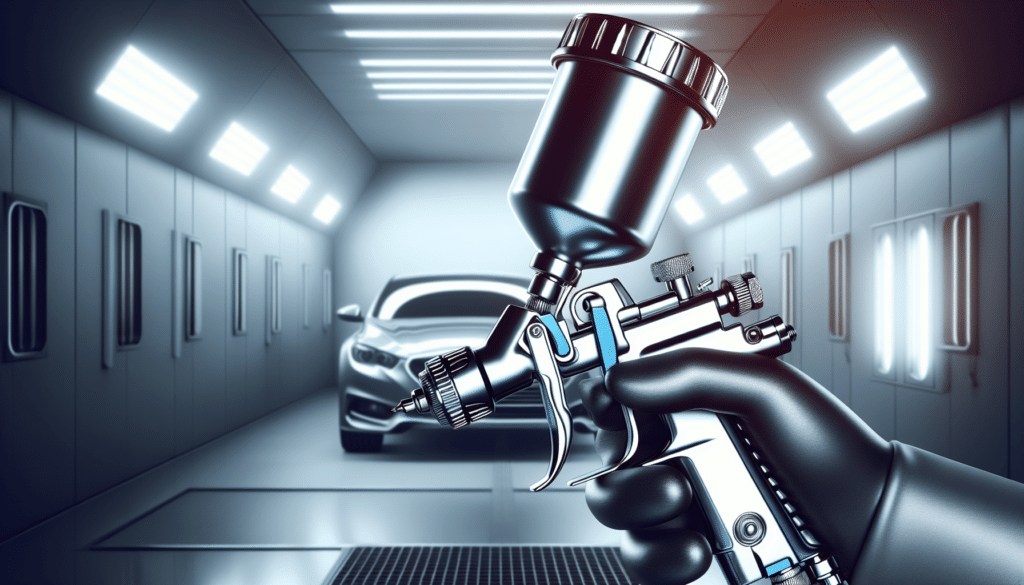
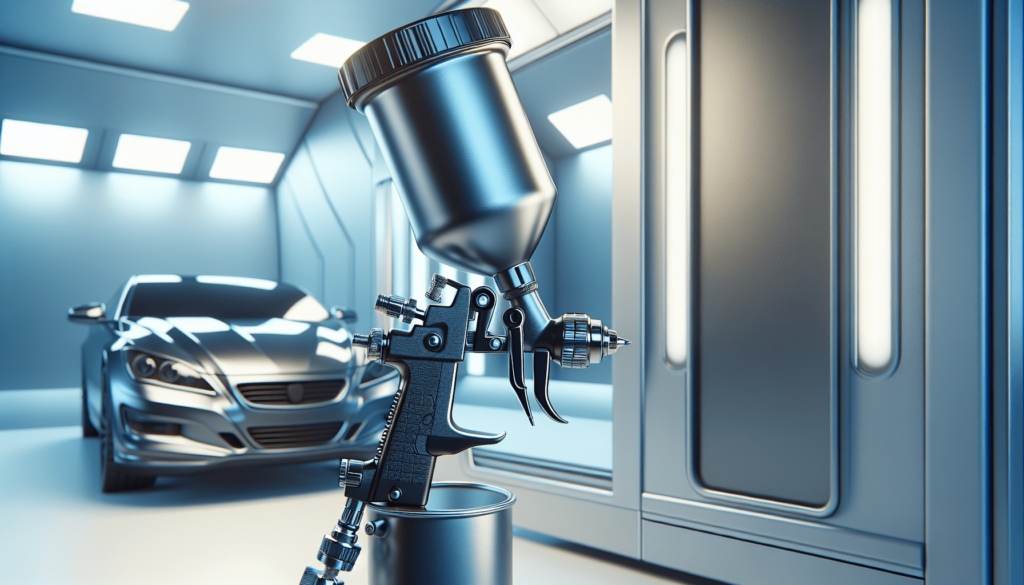
Spray guns are essential tools for applying paint evenly and efficiently. There are various types of spray guns available, such as HVLP (High Volume Low Pressure) guns and airless guns. HVLP guns are ideal for detailed work and precision, while airless guns are more suitable for covering large surface areas quickly.
Heating and Drying Systems
Heating and drying systems are necessary for accelerating the drying process of paint, especially in colder climates or humid environments. These systems can include infrared heaters, bake ovens, and curing lamps, which help speed up the curing process and produce a durable finish.
Techniques for Achieving Professional Results
In addition to having the right equipment, mastering painting techniques is essential for achieving professional-level results. Whether you are a beginner or an experienced painter, following these techniques can help you elevate your work to the next level.
Proper Surface Preparation
Before applying paint, it is crucial to prepare the surface properly. This includes cleaning the surface, sanding rough areas, and applying primer for better adhesion. Proper surface preparation ensures that the paint will adhere correctly and result in a smooth and flawless finish.
Paint Mixing and Application
Mixing paint correctly is key to achieving the desired color and consistency. Follow the manufacturer’s instructions for mixing ratios and apply the paint evenly using a spray gun. Start with light coats to prevent runs or drips, and allow each coat to dry before applying the next for optimal results.
Overlapping Techniques
To prevent streaks or uneven coverage, use overlapping techniques when applying paint. Begin by spraying off the surface and then move steadily across in a sweeping motion, overlapping each pass slightly. This method ensures that the paint is evenly distributed and provides a professional finish.
Safety Precautions in the Paint Booth
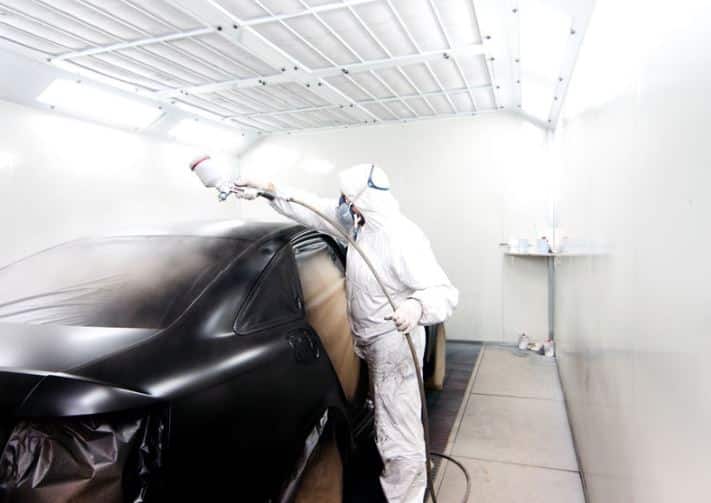
Safety should always be a top priority when working in a paint booth. Due to the presence of hazardous chemicals and fumes, taking proper safety precautions can prevent accidents and protect your health. Here are some essential safety tips to keep in mind:
Personal Protective Equipment (PPE)
Wearing personal protective equipment, such as respirators, gloves, safety goggles, and coveralls, is vital to protect yourself from harmful chemicals and fumes. Make sure to select PPE that is appropriate for painting and follow the manufacturer’s guidelines for proper usage.
Fire Safety
Due to the flammable nature of paint and solvents, fire safety is critical in a paint booth. Always have a fire extinguisher nearby, and avoid smoking or using open flames in the vicinity. Regularly check electrical equipment for any signs of damage or wear to prevent fire hazards.
Proper Ventilation
Maintaining proper ventilation in the paint booth is essential for your safety and health. Ensure that the ventilation system is working correctly to remove fumes and overspray from the air. If you notice any issues with ventilation, stop painting immediately and address the problem before continuing.
Equipping your paint booth with essential tools and mastering effective painting techniques is key to achieving professional results. By maintaining a clean environment, using the right equipment, and following safety precautions, you can enhance your painting skills and produce flawless finishes. Remember to practice these techniques regularly and prioritize safety in the paint booth for successful and rewarding projects. Happy painting!