Have you ever wondered why some paint jobs look flawless while others appear patchy or dull? The answer lies in the products you use as the basecoat and clearcoat! In this article, we will dive into the importance of selecting the right basecoat and clearcoat for your painting project to achieve a professional finish.
Understanding Basecoat and Clearcoat: What Are They?
Basecoat and clearcoat are critical components of the painting process. The basecoat is the initial layer of paint applied to the surface, providing color and coverage. On the other hand, the clearcoat is a transparent layer of paint that provides gloss and protection to the basecoat.
Choosing the appropriate basecoat and clearcoat is crucial to achieving a flawless paint job. The right combination will not only enhance the appearance of your paint but also ensure longevity and durability.

Types of Basecoat Paints
There are several types of basecoat paints available in the market, each with its unique characteristics and benefits. Understanding the differences between these types will help you make an informed decision when selecting the right one for your project.
1. Acrylic Basecoat
Acrylic basecoat paint is versatile and easy to use, making it a popular choice for DIY enthusiasts. It dries quickly, allowing for faster completion of projects. Acrylic basecoat is also known for its excellent color matching capabilities, providing a seamless finish.
When choosing an acrylic basecoat paint, consider factors such as color accuracy, coverage, and compatibility with other paint products. Look for high-quality options that offer excellent adhesion and durability.
2. Urethane Basecoat
Urethane basecoat paint is a more durable and long-lasting option compared to acrylic. It provides a higher level of resistance to chemicals, UV rays, and weathering, making it ideal for exterior applications.
When selecting a urethane basecoat paint, consider factors such as UV protection, color retention, and ease of application. Choose a product that offers good color saturation and coverage to achieve a professional finish.
3. Water-Based Basecoat
Water-based basecoat paint is environmentally friendly and low in volatile organic compounds (VOCs), making it a safer option for indoor projects. It dries quickly and provides excellent color clarity and coverage.
When choosing a water-based basecoat paint, look for products that offer good adhesion, flexibility, and ease of cleanup. Consider factors such as odor, drying time, and compatibility with other paint products to ensure a successful painting process.
Types of Clearcoat Finishes
Clearcoat finishes are available in different formulations, each offering unique benefits and characteristics. Understanding the differences between these types will help you select the right clearcoat finish for your project.
1. High-Gloss Clearcoat
High-gloss clearcoat finish provides a shiny and reflective surface, enhancing the color and appearance of the basecoat. It offers excellent protection against UV rays, chemicals, and abrasion, ensuring long-lasting durability.
When choosing a high-gloss clearcoat finish, consider factors such as shine level, clarity, and resistance to yellowing. Look for products that offer superior gloss retention and self-leveling properties for a flawless finish.
2. Matte Clearcoat
Matte clearcoat finish provides a flat and non-reflective surface, giving a modern and sophisticated look to your paint job. It offers good resistance to scratches and fingerprints, making it ideal for high-traffic areas.
When selecting a matte clearcoat finish, consider factors such as texture, durability, and ease of maintenance. Look for products that provide a smooth and uniform finish, enhancing the overall appearance of your paint.
3. Satin Clearcoat
Satin clearcoat finish offers a subtle and soft sheen, providing a balance between matte and high-gloss finishes. It adds depth and richness to the color while providing protection and durability.
When choosing a satin clearcoat finish, consider factors such as luster, durability, and ease of application. Look for products that offer good color enhancement and UV protection for a long-lasting finish.
Factors to Consider When Choosing Basecoat and Clearcoat
Selecting the right basecoat and clearcoat for your painting project requires careful consideration of various factors. Here are some essential things to keep in mind when making your decision:
1. Color Matching
Ensure that the basecoat paint matches the desired color accurately to achieve a seamless finish. Choose a clearcoat finish that enhances the color and provides depth and shine to the paint job.
2. Durability
Consider the level of durability required for your project. If you are painting a high-traffic area or an exterior surface, opt for basecoat and clearcoat products that offer superior protection against environmental elements.
3. Application
Choose basecoat and clearcoat paints that are easy to apply and provide good coverage. Consider factors such as drying time, viscosity, and compatibility with other paint products for a smooth and hassle-free painting process.
4. Compatibility
Make sure that the basecoat and clearcoat products you choose are compatible with each other to prevent any issues with adhesion or finish. Check with the manufacturer or consult a professional for guidance on product compatibility.

Tips for a Flawless Paint Job
Achieving a flawless paint job requires attention to detail and proper technique. Here are some tips to help you achieve professional results with your basecoat and clearcoat painting project:
- Preparation is Key: Properly prepare the surface by cleaning, sanding, and priming before applying the basecoat and clearcoat. Ensure that the surface is smooth and free of any imperfections for optimal adhesion.
- Follow Instructions: Read and follow the manufacturer’s instructions carefully when applying the basecoat and clearcoat. Pay attention to recommended drying times, application methods, and safety precautions to avoid any issues.
- Apply Thin Coats: To prevent runs, drips, or uneven coverage, apply thin and even coats of basecoat and clearcoat. Allow each coat to dry completely before applying the next layer for a smooth and flawless finish.
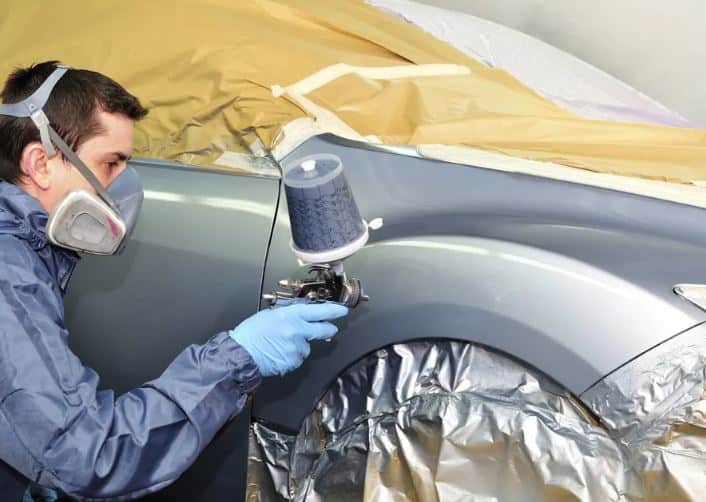
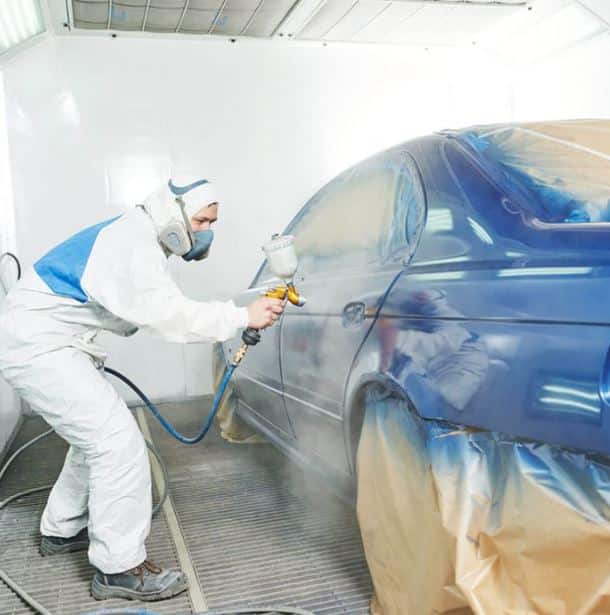
- Protect Surrounding Areas: Use masking tape and drop cloths to protect surrounding areas from overspray or paint splatter. This will help ensure a clean and professional-looking paint job without any mess.
- Maintain Proper Ventilation: Work in a well-ventilated area or use a respirator to avoid inhaling harmful fumes from the basecoat and clearcoat paints. Proper ventilation is essential for a safe and comfortable painting process.
By following these tips and selecting the right basecoat and clearcoat for your painting project, you can achieve a flawless finish that enhances the beauty and durability of your paint job.

Choosing the right basecoat and clearcoat is essential for achieving a flawless paint job that looks professional and lasts for years to come. By understanding the different types of basecoat paints and clearcoat finishes and considering factors such as color matching, durability, and application, you can make an informed decision that meets your project needs.
Remember to follow proper preparation techniques, application methods, and safety precautions to ensure a smooth and successful painting process. With the right products and techniques, you can transform any surface into a work of art with a flawless and long-lasting finish.