
In the world of automotive maintenance, a car body repair kit is an invaluable asset for any car owner or enthusiast. Whether you are dealing with minor scratches, dents, or more significant bodywork issues, having the right tools and materials at your disposal can save you time and money. Instead of relying on professional services that can be costly and time-consuming, you can take matters into your own hands.
A well-equipped car body repair kit empowers you to tackle various types of damage, allowing you to restore your vehicle’s appearance and value. The convenience of a car body repair kit lies not only in its ability to address cosmetic issues but also in the satisfaction that comes from completing the repairs yourself. You gain a deeper understanding of your vehicle while honing your skills in the process.
This article will guide you through the different types of car body damage, the essential tools and materials needed for repairs, and provide a step-by-step guide to using a car body repair kit effectively. By the end, you will be equipped with the knowledge to achieve professional results and avoid common pitfalls.
- A car body repair kit is a handy tool for fixing minor dents, scratches, and other damages on your vehicle.
- Different types of car body damage include dents, scratches, rust, and paint chips, each requiring specific repair techniques.
- Essential tools and materials in a car body repair kit include sandpaper, body filler, putty knife, primer, and touch-up paint.
- A step-by-step guide to using a car body repair kit involves preparing the damaged area, applying body filler, sanding, priming, and painting.
- To achieve professional results with a car body repair kit, it’s important to follow the instructions carefully, take your time, and practice on a small area first.
Understanding Different Types of Car Body Damage
Car body damage can manifest in various forms, each requiring a unique approach for effective repair. One of the most common types is surface scratches, which can occur from everyday wear and tear, such as brushing against bushes or other vehicles. These scratches may not penetrate deeply into the paint but can be unsightly and diminish your car’s aesthetic appeal.
Understanding how to assess the depth of these scratches is crucial; some may be easily buffed out, while others might require repainting. Dents are another prevalent form of damage that can occur due to hail, minor collisions, or even careless parking. Dents can vary in size and severity, with some being shallow and easily removable, while others may require more intensive repair techniques.
Additionally, rust damage is a significant concern for many vehicle owners, especially in regions where road salt is commonly used during winter months. Rust not only affects the appearance of your car but can also compromise its structural integrity if left untreated. Recognizing these different types of damage will help you determine the appropriate methods and tools needed for effective repairs.
Essential Tools and Materials in a Car Body Repair Kit
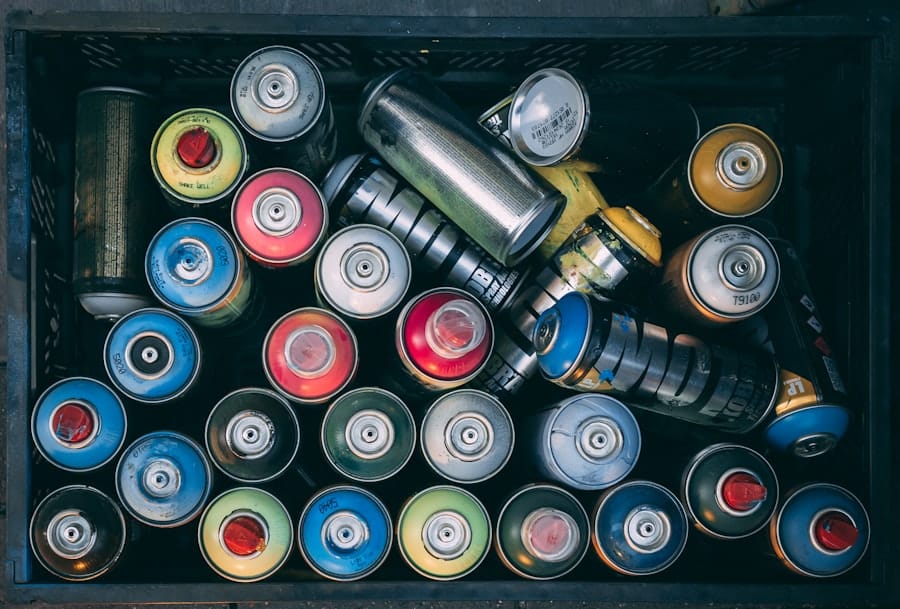
A comprehensive car body repair kit should include a variety of tools and materials designed to address different types of damage effectively. At the core of any repair kit are basic hand tools such as screwdrivers, pliers, and wrenches. These tools are essential for disassembling parts of your vehicle if necessary and accessing areas that require repair.
Additionally, a set of sanding blocks or sandpaper in various grits will be crucial for smoothing out surfaces before painting or applying fillers. In terms of materials, high-quality automotive paint is a must-have for any repair kit. You should select paint that matches your vehicle’s color code to ensure a seamless finish.
Alongside paint, you’ll need primer and clear coat to protect your repairs and enhance durability. Body filler is another essential material for repairing dents and imperfections; it allows you to create a smooth surface before painting. Don’t forget about safety gear such as gloves and masks to protect yourself from dust and fumes during the repair process.
Step-by-Step Guide to Using a Car Body Repair Kit
Using a car body repair kit effectively involves several steps that ensure a successful outcome. First, assess the damage thoroughly to determine what repairs are necessary. For surface scratches, clean the area with soap and water to remove any dirt or debris.
Once dry, use sandpaper to gently smooth the edges of the scratch before applying touch-up paint. If the scratch is deep, you may need to apply primer first before painting. For dents, start by cleaning the affected area as well.
Depending on the severity of the dent, you may choose to use a dent puller or apply heat using a hairdryer followed by cold water to encourage the metal to return to its original shape. After addressing the dent, sand the area down to create a smooth surface for body filler application. Once the filler has cured, sand it down again until it is flush with the surrounding area before proceeding with primer and paint application.
Tips for Achieving Professional Results with a Car Body Repair Kit
To achieve results that rival those of professional auto body shops, attention to detail is paramount. One key tip is to work in a well-lit environment where you can clearly see imperfections in your work. This will help you catch any flaws before they become permanent.
Additionally, take your time during each step of the process; rushing can lead to mistakes that may require rework later on. Another important aspect is layering your paint correctly. When applying automotive paint, use light coats rather than one heavy coat to avoid drips and uneven finishes.
Allow each layer to dry completely before applying the next one. Finally, consider using a clear coat after painting; this not only enhances the shine but also provides an extra layer of protection against environmental factors.
Common Mistakes to Avoid When Using a Car Body Repair Kit

**Common Mistakes to Avoid in Car Body Repair**
Surface Preparation is Key
While using a car body repair kit can be rewarding, there are several common mistakes that you should strive to avoid. One frequent error is neglecting surface preparation before painting or applying fillers. Failing to clean and sand surfaces properly can lead to poor adhesion and unsatisfactory results. Always ensure that surfaces are free from dust, grease, and moisture before starting any repair work.
Allow for Adequate Drying Time
Another mistake is not allowing sufficient drying time between steps. Whether it’s primer, paint, or filler, each layer needs adequate time to cure properly before moving on to the next stage. Rushing this process can result in bubbling or peeling paint down the line.
Safety Precautions are Essential
Lastly, many DIYers underestimate the importance of safety precautions; always wear protective gear when working with chemicals or power tools to safeguard your health.
Safety Precautions When Using a Car Body Repair Kit
Safety should always be your top priority when using a car body repair kit. Start by ensuring that you have adequate ventilation in your workspace, especially when working with paints and solvents that emit fumes. If possible, work outdoors or in a well-ventilated garage to minimize inhalation risks.
Wearing a mask designed for paint fumes will further protect your respiratory system. Additionally, always use gloves when handling chemicals or sharp tools to prevent skin irritation or injury. Eye protection is also essential; safety goggles will shield your eyes from dust particles and splashes from paints or solvents.
Finally, keep a first aid kit nearby in case of minor accidents—being prepared can make all the difference in ensuring your safety during repairs.
Conclusion and Final Thoughts on Car Body Repair Kit
In conclusion, investing in a car body repair kit equips you with the tools and knowledge necessary to tackle various types of automotive damage effectively. By understanding the different forms of damage and familiarizing yourself with essential tools and materials, you can confidently approach repairs that enhance both your vehicle’s appearance and value. Following a step-by-step guide ensures that you execute repairs methodically while avoiding common mistakes that could compromise your results.
As you embark on your journey into DIY car body repair, remember that practice makes perfect. The more you work with your repair kit, the more skilled you will become at achieving professional-quality results. With patience and attention to detail, you can transform minor blemishes into flawless finishes while enjoying the satisfaction that comes from taking care of your vehicle yourself.
Ultimately, a car body repair kit is not just about fixing damage; it’s about empowering yourself as an informed car owner who takes pride in maintaining their vehicle’s appearance and integrity.
If you’re considering purchasing a Car Body Repair Kit, it’s also essential to understand how to effectively estimate the costs associated with auto body repairs. An excellent resource for this is an article that offers expert advice on getting the best auto body repair estimate. You can read more about this topic and prepare yourself with the necessary knowledge by visiting Expert Advice: How to Get the Best Auto Body Repair Estimate. This guide will help you make informed decisions when assessing the extent of damage and the potential costs involved in repairs, ensuring you are not overcharged for auto body services.
FAQs
What is a car body repair kit?
A car body repair kit is a set of tools and materials used to repair minor dents, scratches, and other damage to the body of a car.
What is typically included in a car body repair kit?
A car body repair kit may include items such as body filler, sandpaper, a putty knife, a spreader, primer, and touch-up paint.
How is a car body repair kit used?
To use a car body repair kit, the damaged area of the car is first cleaned and prepared. Then, body filler is applied to fill in any dents or scratches. After the filler has dried, it is sanded down and the area is primed and painted to match the rest of the car.
Can a car body repair kit be used for major damage?
Car body repair kits are typically designed for minor damage only. Major damage, such as large dents or extensive rust, may require professional repair.
Are car body repair kits easy to use for beginners?
Car body repair kits can be used by beginners, but it may take some practice to achieve professional-looking results. It’s important to carefully follow the instructions included with the kit and take your time with the repair process.





