
Aluminum body panels have become increasingly popular in the automotive industry due to their lightweight nature and resistance to corrosion. As you delve into the world of automotive design, you may find that aluminum offers a unique combination of strength and flexibility, making it an ideal choice for manufacturers looking to enhance fuel efficiency without compromising safety. The use of aluminum in vehicles can significantly reduce overall weight, which in turn improves performance and fuel economy.
This is particularly important in an era where environmental concerns and fuel costs are at the forefront of consumer priorities. Moreover, aluminum body panels are not only lightweight but also possess excellent durability. Unlike traditional steel panels, aluminum does not rust, which means that vehicles equipped with aluminum body panels can maintain their aesthetic appeal for a longer period.
This characteristic is especially beneficial in regions with harsh weather conditions, where road salt and moisture can wreak havoc on steel components. Understanding these advantages can help you appreciate why many modern vehicles are increasingly incorporating aluminum into their designs.
- Aluminum body panels are lightweight and corrosion-resistant, making them a popular choice for modern vehicles.
- Common types of damage to aluminum body panels include dents, scratches, and corrosion.
- Tools and materials needed for aluminum body panel repair include a dent puller, body filler, sandpaper, and aluminum-specific primer and paint.
- Steps to repairing aluminum body panels involve assessing the damage, preparing the surface, applying filler, sanding, priming, and painting.
- Precautions and safety measures for aluminum body panel repair include wearing protective gear, working in a well-ventilated area, and following manufacturer guidelines for products.
Common Types of Damage to Aluminum Body Panels
As you navigate the realm of aluminum body panels, it’s essential to recognize the types of damage that can occur. One of the most common forms of damage is denting, which can happen due to minor collisions or even hailstorms. Unlike steel, aluminum is more prone to denting because it is softer and less malleable.
These dents can be unsightly and may affect the vehicle’s resale value if not addressed promptly. Understanding how to identify and assess these dents is crucial for maintaining the integrity of your vehicle. Another prevalent issue is scratches and abrasions, which can occur from various sources, including road debris or improper washing techniques.
While scratches may seem minor, they can lead to more significant problems if they penetrate the protective coating on the aluminum. This exposure can result in corrosion over time, undermining the panel’s structural integrity. By being aware of these common types of damage, you can take proactive steps to protect your vehicle and ensure its longevity.
Tools and Materials Needed for Aluminum Body Panel Repair
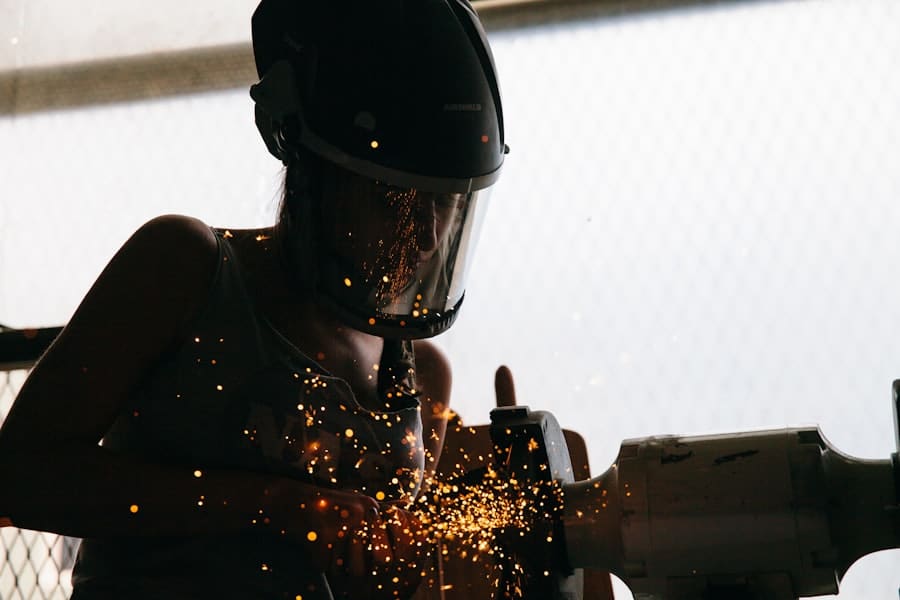
When it comes to repairing aluminum body panels, having the right tools and materials at your disposal is essential. You will need a variety of hand tools, including hammers, dollies, and pry bars, specifically designed for working with aluminum. These tools allow you to manipulate the metal without causing further damage.
Additionally, a heat gun can be beneficial for softening the aluminum during the repair process, making it easier to reshape. In terms of materials, you will require specialized adhesives and fillers designed for aluminum. These products are formulated to bond effectively with aluminum surfaces and provide a durable finish.
Sandpaper or sanding blocks will also be necessary for smoothing out any rough edges after repairs are made. By gathering these tools and materials beforehand, you can streamline the repair process and ensure that you are well-prepared for any challenges that may arise.
Steps to Repairing Aluminum Body Panels
Repairing aluminum body panels involves a series of methodical steps that require patience and precision. First, you should assess the extent of the damage to determine whether it can be repaired or if replacement is necessary. If the damage is minor, such as small dents or scratches, you can proceed with the repair process.
Begin by cleaning the affected area thoroughly to remove any dirt or debris that could interfere with the repair. Next, use a hammer and dolly technique to gently massage out any dents from behind the panel. This method allows you to restore the panel’s original shape without compromising its integrity.
If there are scratches or gouges, apply an appropriate filler to level out the surface before sanding it smooth. Once you have achieved a satisfactory finish, you can apply a protective coating or paint to match the rest of the vehicle. Following these steps carefully will help ensure a successful repair that maintains the aesthetic appeal of your vehicle.
Precautions and Safety Measures for Aluminum Body Panel Repair
Safety should always be your top priority when undertaking any repair work on aluminum body panels. Before starting, make sure you are wearing appropriate personal protective equipment (PPE), including gloves and safety goggles. Aluminum dust can be harmful if inhaled or if it comes into contact with your skin, so taking these precautions is essential for your well-being.
Additionally, ensure that your workspace is well-ventilated to minimize exposure to fumes from adhesives or paints used during the repair process. If you are using power tools, be sure to follow all manufacturer instructions and safety guidelines to prevent accidents. By adhering to these safety measures, you can create a secure environment that allows you to focus on your repair work without unnecessary risks.
When considering aluminum body panel repair, you may find yourself weighing the pros and cons of tackling the project yourself versus hiring a professional. DIY repairs can be rewarding and cost-effective if you possess the necessary skills and tools. You have the opportunity to learn about your vehicle while saving money on labor costs.
However, it’s important to recognize that working with aluminum requires a certain level of expertise; improper repairs can lead to further damage or safety issues down the line. On the other hand, enlisting a professional for aluminum body panel repair ensures that the job is done correctly and efficiently. Professionals have access to specialized equipment and extensive experience in handling various types of damage.
While this option may come at a higher cost, it provides peace of mind knowing that your vehicle is in capable hands. Ultimately, your decision should be based on your comfort level with DIY projects and your assessment of the damage at hand.
Tips for Maintaining Aluminum Body Panels
To keep your aluminum body panels looking their best and functioning optimally, regular maintenance is key. Start by washing your vehicle frequently using a gentle soap specifically designed for automotive finishes. Avoid abrasive materials that could scratch the surface; instead, opt for microfiber cloths or soft sponges that are gentle on aluminum.
Additionally, consider applying a protective wax or sealant designed for aluminum surfaces. This layer of protection helps guard against environmental elements such as UV rays, road salt, and moisture that can lead to corrosion over time. Regular inspections for scratches or dents will also allow you to address any issues before they escalate into more significant problems.
By implementing these maintenance tips, you can prolong the life of your aluminum body panels and keep your vehicle looking pristine.
Benefits of Using Aluminum Body Panels
The benefits of using aluminum body panels extend beyond just weight reduction; they also contribute significantly to overall vehicle performance and longevity. One of the most notable advantages is improved fuel efficiency due to reduced weight, which translates into lower emissions and operating costs over time. As consumers become more environmentally conscious, vehicles with aluminum components are increasingly appealing.
Furthermore, aluminum’s resistance to corrosion means that vehicles equipped with aluminum body panels often require less maintenance compared to their steel counterparts. This durability not only enhances the vehicle’s lifespan but also helps maintain its resale value over time. As you consider your options in automotive design or repair, recognizing these benefits will help you appreciate why aluminum has become a preferred material in modern vehicle manufacturing.
If you are looking for the best auto body repair in Oakland, California, you may want to check out this article on Aluminum Body Panel Repair. This article provides valuable information on how to properly repair aluminum body panels on vehicles, which can be a more challenging task compared to traditional steel panels. It offers tips and techniques for achieving a seamless repair and maintaining the structural integrity of the vehicle.
FAQs
What are aluminum body panels?
Aluminum body panels are exterior components of a vehicle’s structure that are made from aluminum. These panels include parts such as hoods, doors, fenders, and trunk lids.
How are aluminum body panels different from steel body panels?
Aluminum body panels are lighter in weight compared to steel body panels, which can improve fuel efficiency and overall vehicle performance. Additionally, aluminum is more resistant to corrosion than steel.
Can aluminum body panels be repaired?
Yes, aluminum body panels can be repaired using specialized techniques and tools. However, repairing aluminum requires different methods than repairing steel due to its unique properties.
What are the common methods for repairing aluminum body panels?
Common methods for repairing aluminum body panels include welding, bonding, and using specialized aluminum repair tools and equipment. It is important to follow manufacturer guidelines and use proper techniques to ensure a successful repair.
Can I repair aluminum body panels myself?
Repairing aluminum body panels requires specialized knowledge, skills, and equipment. It is recommended to seek professional assistance from a qualified technician or body shop with experience in aluminum panel repair.
What are the benefits of repairing aluminum body panels?
Repairing aluminum body panels can help maintain the structural integrity and aesthetics of a vehicle. It can also be a cost-effective alternative to replacing the entire panel. Additionally, repairing aluminum panels can help preserve the vehicle’s original factory finish.





