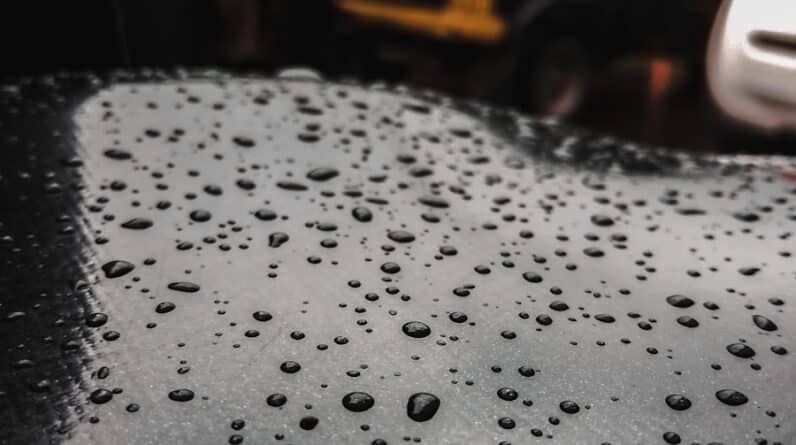
When it comes to automotive finishes, metallic auto paint stands out as a popular choice among car enthusiasts and everyday drivers alike. This type of paint contains tiny metallic flakes that reflect light, creating a shimmering effect that enhances the vehicle’s appearance. The allure of metallic paint lies not only in its aesthetic appeal but also in its ability to mask minor imperfections on the surface of the car.
As you explore the world of metallic auto paint, you’ll discover how it can elevate your vehicle’s look and provide a unique character that sets it apart from the crowd. Metallic paints come in various colors and finishes, allowing you to express your personal style. From classic silver and gold to vibrant blues and reds, the options are virtually limitless.
The metallic particles in the paint can vary in size and composition, which affects the final look of the finish. Understanding these nuances will help you make informed decisions when selecting the right shade for your vehicle. Additionally, metallic paints often require specific application techniques to achieve that flawless, mirror-like finish, making it essential to familiarize yourself with the process before diving in.
- Metallic auto paint contains small metallic flakes that give the paint a shiny, reflective finish
- When choosing metallic paint, consider the color, size of metallic flakes, and the type of finish (gloss, matte, etc.)
- Properly preparing the surface includes cleaning, sanding, and applying a primer to ensure adhesion and a smooth finish
- When applying metallic auto paint with a spray gun, use even, overlapping strokes and apply multiple thin coats for best results
- Applying metallic auto paint with a paintbrush requires careful, even strokes and may require more coats for an even finish
- Caring for metallic auto paint involves regular washing, waxing, and avoiding harsh chemicals or abrasive materials
- Common issues with metallic auto paint include uneven coverage, orange peel texture, and metallic flake clumping
- Finalizing the metallic auto paint job involves inspecting for any imperfections, buffing or polishing as needed, and applying a clear coat for protection
Choosing the Right Metallic Paint
Selecting the right metallic paint for your vehicle is crucial to achieving the desired look and durability. Start by considering the color that resonates with you. Do you prefer a bold statement or a more subtle elegance?
The color choice will not only reflect your personality but also influence how your car is perceived on the road. Once you have a color in mind, research different brands and their offerings. Some manufacturers specialize in high-quality metallic paints that provide better coverage and longevity than others.
Another important factor to consider is the type of metallic paint you want to use. There are two primary categories: basecoat/clearcoat systems and single-stage paints. Basecoat/clearcoat systems involve applying a base layer of metallic paint followed by a clear coat for added protection and depth.
This method is often preferred for its durability and glossy finish. On the other hand, single-stage paints combine color and gloss in one application, making them easier to work with but potentially less resilient over time. Weighing these options will help you choose the best metallic paint for your project.
Preparing the Surface for Metallic Paint

Before applying metallic auto paint, proper surface preparation is essential to ensure a smooth and long-lasting finish. Start by thoroughly cleaning the surface of your vehicle to remove dirt, grease, and any old wax or polish. A clean surface allows the paint to adhere better, reducing the risk of peeling or chipping later on.
Use a degreaser or automotive soap, followed by rinsing with water and drying with a lint-free cloth. Once the surface is clean, inspect it for imperfections such as scratches, dents, or rust spots. Addressing these issues before painting is crucial for achieving a flawless finish.
Sand down any rough areas using fine-grit sandpaper, and fill in dents with body filler if necessary. After sanding, wipe down the area again to remove any dust particles. Finally, consider applying a primer specifically designed for metallic paints; this will enhance adhesion and provide an even base for your new finish.
Applying Metallic Auto Paint with a Spray Gun
Using a spray gun is one of the most effective methods for applying metallic auto paint, as it allows for an even distribution of paint and minimizes brush strokes. Begin by setting up your workspace in a well-ventilated area to ensure safety and optimal results. Make sure to wear appropriate protective gear, including a mask and goggles, to shield yourself from fumes and overspray.
Before you start painting, mix your metallic paint according to the manufacturer’s instructions. Proper mixing is vital for achieving consistent color and finish. Once mixed, pour the paint into the spray gun’s reservoir and adjust the nozzle settings for optimal spray pattern and pressure.
Begin applying the paint in thin, even coats, overlapping each pass slightly to avoid streaks or uneven coverage. Allow each coat to dry according to the manufacturer’s recommendations before applying additional layers. This method not only enhances the depth of color but also ensures that the metallic flakes are evenly distributed throughout the finish.
Applying Metallic Auto Paint with a Paintbrush
While using a spray gun is often preferred for applying metallic auto paint, there are situations where using a paintbrush may be more practical or necessary. For smaller touch-ups or intricate areas where a spray gun may not reach effectively, a brush can be an excellent tool. However, it’s important to choose the right type of brush; synthetic bristles are typically recommended for water-based paints, while natural bristles work well with solvent-based products.
When using a brush, start by carefully loading it with paint—avoid overloading to prevent drips and runs. Apply the paint in long, smooth strokes, following the direction of the surface grain whenever possible. To achieve a more uniform finish, consider using a technique called “feathering,” where you lightly blend edges of wet paint into adjacent areas to minimize brush marks.
Be patient and allow each layer to dry completely before adding additional coats; this will help maintain an even appearance throughout your project.
Caring for Metallic Auto Paint

Once you’ve successfully applied metallic auto paint to your vehicle, proper care is essential to maintain its stunning appearance over time. Regular washing is crucial; however, it’s important to use gentle cleaning products specifically designed for automotive finishes. Avoid harsh chemicals or abrasive materials that could damage the delicate metallic flakes or clear coat.
In addition to regular washing, consider applying a high-quality wax or sealant designed for metallic finishes every few months. This protective layer not only enhances shine but also provides an extra barrier against environmental elements such as UV rays, dirt, and moisture. When waxing, use a soft microfiber cloth and apply in circular motions to ensure even coverage without scratching the surface.
By taking these steps, you can keep your metallic auto paint looking fresh and vibrant for years to come.
Troubleshooting Common Issues with Metallic Auto Paint
Even with careful preparation and application, issues can arise when working with metallic auto paint. One common problem is uneven coverage or streaking, which can occur if the paint is not applied evenly or if there are variations in spray technique. If you notice this issue after your first coat, don’t panic; simply allow it to dry completely before lightly sanding the affected areas with fine-grit sandpaper and applying another coat.
Another issue you might encounter is orange peel texture—a bumpy surface that resembles the skin of an orange. This can happen due to improper spray gun settings or environmental factors such as humidity and temperature during application. If you find yourself facing this problem, you can often remedy it by wet sanding the surface once it has fully cured and then polishing it to restore shine.
Being aware of these common issues will help you troubleshoot effectively and achieve that flawless finish you desire.
Finalizing the Metallic Auto Paint Job
After you’ve applied your metallic auto paint and allowed it to cure properly, it’s time to finalize your project with some finishing touches. Start by inspecting your work closely for any imperfections or areas that may need touch-ups. If you find any spots that require attention, use a small brush or spray gun to carefully apply additional paint as needed.
Once you’re satisfied with the overall appearance, consider applying a final clear coat layer if you haven’t already done so. This step adds an extra layer of protection against scratches and UV damage while enhancing the depth of color in your metallic finish. After everything has dried completely, take a moment to admire your handiwork—there’s nothing quite like seeing your vehicle transformed with a stunning new coat of metallic auto paint!
With proper care and maintenance, your car will continue to turn heads on the road for years to come.
If you are interested in learning more about building trust with your mechanics, check out this article on Strategies for Trustful Auto Repairs: Building Rapport with Your Mechanics. Building a strong relationship with your mechanic can help ensure that your car receives the best care possible. Trust is essential when it comes to auto repairs, just like when choosing the right metallic auto paint for your vehicle.
FAQs
What is metallic auto paint?
Metallic auto paint is a type of automotive paint that contains small metallic flakes. These flakes give the paint a shimmering, metallic appearance when exposed to light.
How is metallic auto paint applied?
Metallic auto paint is typically applied using a spray gun. The paint is mixed with a hardener and reducer, and then sprayed onto the vehicle in multiple coats. Each coat is allowed to dry before the next one is applied.
What are the benefits of using metallic auto paint?
Metallic auto paint can give vehicles a unique and eye-catching appearance. It also provides a durable and long-lasting finish that can withstand the elements and everyday wear and tear.
Can metallic auto paint be applied at home?
While it is possible to apply metallic auto paint at home, it is a complex and time-consuming process that requires skill and experience. It is often best left to professionals who have the necessary equipment and expertise.
How do I maintain metallic auto paint?
To maintain the appearance of metallic auto paint, it is important to regularly wash and wax the vehicle. This will help protect the paint from fading and keep it looking its best. Additionally, avoiding harsh chemicals and abrasive cleaners can help preserve the finish.