When it comes to car scratches, not all are created equal. You may find yourself dealing with a variety of scratches, each requiring a different approach for repair. The most common types include surface scratches, deep scratches, and clear coat scratches.
Surface scratches are typically light and only affect the top layer of paint. These can often be remedied with simple polishing techniques. On the other hand, deep scratches penetrate through the paint and into the primer or even the metal beneath.
These require more extensive repair work, as they can lead to rust if left untreated. Clear coat scratches are another category you should be aware of. These occur when the clear protective layer on your car’s paint is damaged, exposing the color beneath.
While they may not be as severe as deep scratches, they can still detract from your vehicle’s overall appearance. Understanding these different types of scratches is crucial for determining the best course of action for repair. By identifying the type of scratch you’re dealing with, you can save time and effort by choosing the right method for fixing it.
- There are different types of car scratches, including clear coat scratches, paint scratches, and deep scratches.
- Assess the damage by running your fingernail over the scratch and determining its depth and severity.
- Gather necessary materials such as touch-up paint, sandpaper, rubbing compound, and microfiber cloths for DIY scratch repair.
- DIY solutions for minor scratches include using touch-up paint, sanding the area, and applying rubbing compound for a smooth finish.
- Follow a step-by-step guide for repairing a car scratch, including cleaning the area, applying touch-up paint, and buffing the surface for a seamless repair.
- Buffing and polishing techniques can help blend the repaired area with the rest of the car’s paint for a professional finish.
- Prevent future scratches by parking in a safe area, using car covers, and applying protective coatings.
- Know when to seek professional help for deep or extensive scratches that require professional painting or bodywork.
Assessing the Damage
Examining the Scratch
To get a better sense of the scratch’s depth, try running your fingernail over it. If it catches, it’s likely a deeper scratch that requires more attention. On the other hand, if it feels smooth, you might be able to fix it with a simple buffing solution. This initial assessment will help you decide whether you can tackle the repair yourself or if you need to seek professional help.
Considering the Location
The location of the scratch is also an important factor to consider. Scratches in high-impact areas, such as bumpers or doors, may be more prone to further damage if left unaddressed. If the scratch is in a less visible area, you might feel more comfortable attempting a DIY solution.
Making Informed Decisions
However, if the scratch is in a prominent spot and affects your car’s appearance, you may want to invest more time and resources into a proper repair. By taking stock of both the depth and location of the scratch, you’ll be able to make informed decisions about how to proceed with the repair.
Gathering the Necessary Materials
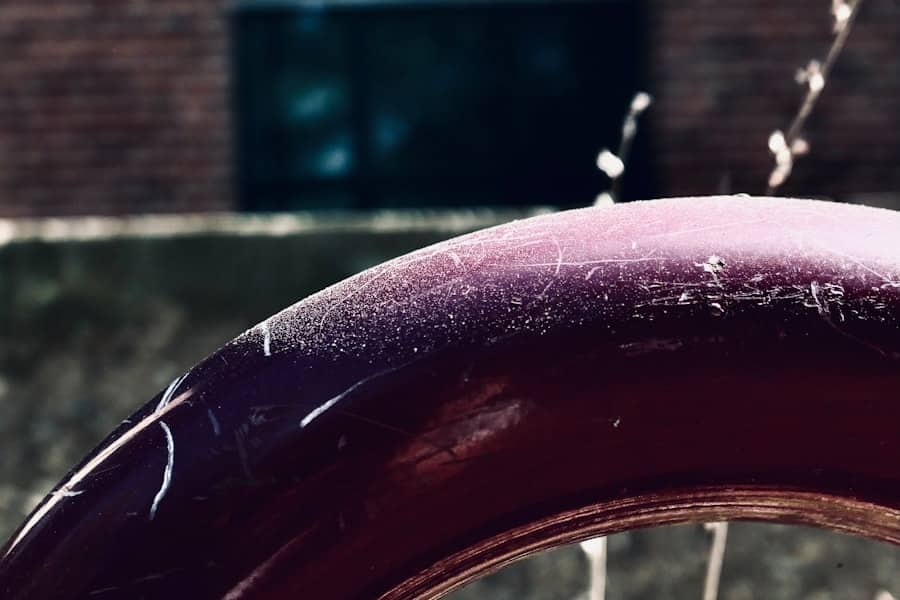
Once you’ve assessed the damage, it’s time to gather the materials you’ll need for the repair process. Depending on the type of scratch you’ve identified, your toolkit may vary. For minor surface scratches, you might only need some polishing compound, microfiber cloths, and possibly a scratch repair kit that includes touch-up paint.
If you’re dealing with deeper scratches, you may need sandpaper, primer, and clear coat spray to ensure a seamless finish. Don’t forget about safety equipment as well. Wearing gloves and goggles can protect your skin and eyes from any chemicals or debris during the repair process.
Additionally, having a clean workspace is crucial; make sure to choose an area free from dust and dirt to avoid further complications during your repair efforts. By gathering all necessary materials beforehand, you can streamline the process and minimize interruptions while working on your vehicle.
DIY Solutions for Minor Scratches
For minor scratches, there are several effective DIY solutions that you can try before considering professional help. One popular method involves using a polishing compound specifically designed for automotive finishes. Simply apply a small amount of the compound to a microfiber cloth and gently rub it over the scratched area in circular motions.
This technique can help blend the scratch with the surrounding paint, making it less noticeable. Another option is to use a scratch repair pen or kit that matches your car’s color. These kits often come with applicators that allow for precise application directly into the scratch.
After applying the paint, let it dry completely before applying a clear coat for added protection. These DIY methods can save you both time and money while restoring your car’s appearance to its former glory.
Step-by-Step Guide for Repairing a Car Scratch
If you’ve determined that your scratch requires more than just a quick buffing, follow this step-by-step guide to ensure a successful repair. Start by cleaning the scratched area thoroughly with soap and water to remove any dirt or debris. Once it’s clean, dry it completely with a soft cloth to prevent moisture from interfering with your repair.
Next, if you’re dealing with a deep scratch, use fine-grit sandpaper to gently sand down the area around the scratch. Be careful not to sand too aggressively; your goal is to smooth out any rough edges without damaging surrounding paint. After sanding, wipe away any dust with a clean cloth before applying primer if necessary.
Once the primer has dried, apply your touch-up paint in thin layers, allowing each layer to dry before adding another. Finally, finish off with a clear coat to protect your work and restore shine.
Buffing and Polishing Techniques
Buffing and polishing are essential techniques in restoring your car’s finish after repairing scratches. Once you’ve completed your initial repairs, using a buffer can help blend any uneven areas and restore that glossy look you love about your vehicle. Start by applying a small amount of polishing compound to your buffer pad or microfiber cloth and work it into the repaired area using circular motions.
Be mindful of pressure; too much force can cause further damage rather than improve the finish. After buffing, take a moment to inspect your work under different lighting conditions to ensure an even shine across the surface. If necessary, repeat the buffing process until you’re satisfied with the results.
This final touch can make all the difference in achieving a professional-looking finish.
Preventing Future Scratches
Once you’ve successfully repaired your car’s scratches, it’s wise to take proactive steps to prevent future damage. One effective method is to regularly wash and wax your vehicle. A good wax not only enhances shine but also provides an additional layer of protection against minor abrasions and environmental factors that can lead to scratches.
You might also consider investing in protective films or coatings specifically designed for automotive surfaces. These products can act as barriers against small rocks, debris, and other potential hazards on the road. Additionally, being mindful of where you park can significantly reduce your risk of scratches; try to avoid tight spaces or areas where other vehicles might brush against yours.
Knowing When to Seek Professional Help
While many scratches can be repaired at home with some effort and patience, there are times when seeking professional help is the best course of action. If you’ve assessed the damage and found that it’s extensive or involves multiple layers of paint, it may be worth consulting an expert who specializes in auto body repairs. Professionals have access to advanced tools and techniques that can ensure a flawless finish.
Moreover, if you’re uncomfortable with DIY repairs or simply lack the time to dedicate to fixing your car’s appearance, don’t hesitate to reach out for professional assistance. Investing in expert care can save you from potential mistakes that could lead to further damage down the line. Ultimately, knowing when to seek help is just as important as knowing how to tackle repairs on your own.
In conclusion, understanding car scratches—from their types to effective repair methods—empowers you as a vehicle owner. By assessing damage accurately and gathering necessary materials, you can tackle minor scratches with confidence through DIY solutions or step-by-step guides for more significant repairs. Employing buffing techniques enhances your car’s finish while preventive measures help maintain its appearance over time.
And when in doubt about handling repairs yourself, remember that professional help is always an option worth considering for achieving optimal results.
If you’re looking for the best auto body repair in Chesapeake, Virginia, Columbia, South Carolina, or Lubbock, Texas, look no further than Auto Body Repair HQ. Their team of experts can help you with any paint damage or scratches your car may have, providing top-notch service and quality repairs. Check out their website for more information on their services and locations.
FAQs
What are some common causes of car scratches?
Car scratches can be caused by a variety of factors, including minor accidents, vandalism, brushing against sharp objects, and environmental factors such as tree branches or hail.
Can minor car scratches be repaired at home?
Yes, minor car scratches can often be repaired at home using DIY solutions. These solutions may include touch-up paint, scratch removal kits, or polishing compounds.
What are some DIY solutions for repairing minor car scratches?
Some DIY solutions for repairing minor car scratches include using touch-up paint, scratch removal kits, polishing compounds, and sandpaper. These solutions can help to minimize the appearance of the scratch and prevent further damage.
When should I consider professional help for car scratch repair?
If the car scratch is deep, extensive, or affects multiple layers of paint, it may be best to seek professional help for repair. Additionally, if the scratch is located in a difficult-to-reach area or if you are unsure of the best approach for repair, it may be best to consult a professional.
How can I prevent car scratches in the future?
To prevent car scratches in the future, consider parking in a garage or covered area, avoiding parking too close to other vehicles, using protective covers or films, and regularly washing and waxing your car to protect the paint.