
When it comes to maintaining the aesthetic and functional integrity of your vehicle, detailing plays a crucial role. You might think of detailing as merely a luxury or an indulgence, but in reality, it serves as a vital component in preserving your car’s value and appearance. Regular detailing not only enhances the visual appeal of your vehicle but also protects it from the elements.
Over time, dirt, grime, and environmental contaminants can accumulate on both the interior and exterior surfaces, leading to deterioration. By investing time and effort into detailing, you are essentially safeguarding your investment. Moreover, detailing goes beyond just cleaning; it involves a meticulous process that rejuvenates your car’s surfaces.
You may not realize it, but a well-detailed car can significantly improve your driving experience. A clean interior can enhance comfort and reduce allergens, while a polished exterior can boost your confidence on the road. Detailing can also help identify potential issues before they escalate into costly repairs.
By regularly inspecting your vehicle during the detailing process, you can catch problems early, ensuring that your car remains in optimal condition for years to come.
- Attention to detail is crucial in car detailing to achieve a thorough and professional result.
- The interior detailing process involves cleaning and restoring all interior surfaces, including upholstery, carpets, and dashboard.
- Exterior detailing process includes washing, claying, polishing, and waxing to restore the car’s paint and protect it from environmental damage.
- Essential tools and products for detailing include microfiber towels, brushes, vacuum cleaner, car shampoo, polish, and wax.
- To ensure a thorough detailing job, it’s important to work in a systematic manner, pay attention to hidden areas, and use the right products for each surface.
- Common mistakes to avoid in car detailing include using the wrong products, neglecting to protect the car’s paint, and rushing through the process.
- Professional detailing offers expert knowledge, specialized tools, and high-quality products for a superior finish.
- To maintain a detailed car, regular washing, waxing, and interior cleaning are essential to preserve the results of the detailing job.
Interior Detailing Process
The interior detailing process is where you can truly transform your vehicle into a clean and inviting space. You begin by removing all personal items and trash from the cabin, creating a blank canvas for the deep cleaning that follows. Once the clutter is cleared, you can focus on vacuuming the seats, carpets, and floor mats.
Pay special attention to hard-to-reach areas like under the seats and between the console and seats, as these spots often accumulate dust and debris that can be easily overlooked. After vacuuming, you can move on to cleaning surfaces such as the dashboard, door panels, and center console. Using appropriate cleaners for different materials—like leather, vinyl, or plastic—ensures that you don’t damage any surfaces while effectively removing dirt and grime.
You might also want to consider steam cleaning or shampooing the upholstery for a deeper clean. This step not only removes stains but also eliminates odors that may have built up over time. Finally, applying a protectant to surfaces can help maintain their appearance and prolong their lifespan.
Exterior Detailing Process
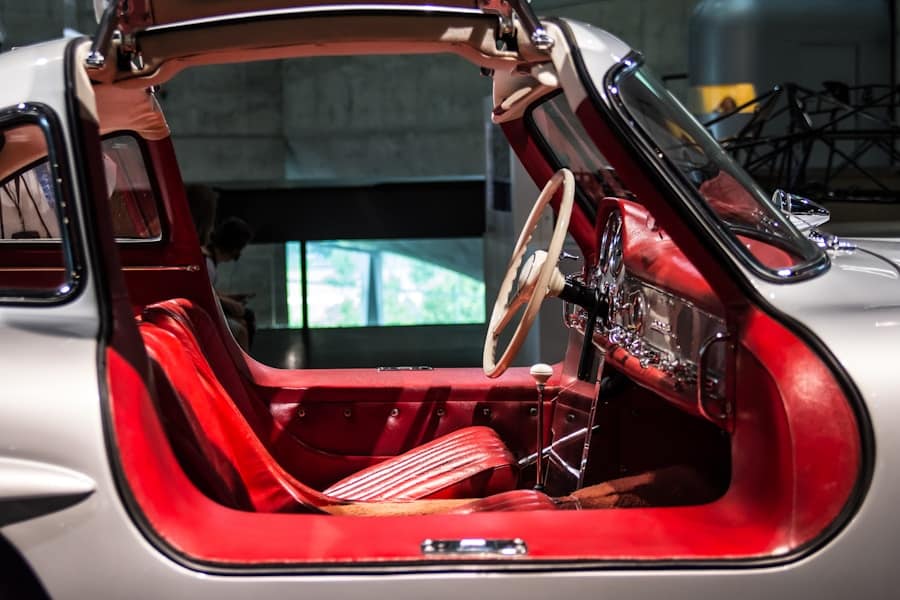
The exterior detailing process is equally important and involves several steps to ensure your vehicle looks its best. You start by washing the car thoroughly to remove dirt and grime from the surface. It’s essential to use a high-quality car wash soap and a soft sponge or mitt to avoid scratching the paint.
Rinsing off the soap with clean water is crucial to prevent any residue from drying on the surface, which could lead to unsightly spots. Once the car is clean, you can move on to drying it with microfiber towels to prevent water spots. After drying, inspecting the paint for imperfections such as scratches or swirl marks is vital.
You may choose to use a clay bar treatment to remove embedded contaminants that washing alone cannot eliminate. Following this step, polishing the paint can restore its shine and clarity. Finally, applying a high-quality wax or sealant will provide a protective layer against environmental elements, ensuring that your vehicle maintains its luster for longer.
Tools and Products Needed
To achieve a thorough detailing job, having the right tools and products at your disposal is essential. For interior detailing, you will need a vacuum cleaner with various attachments to reach tight spaces, microfiber cloths for cleaning surfaces, and brushes for scrubbing carpets and upholstery. Additionally, investing in quality cleaning solutions tailored for different materials—such as leather conditioner or fabric cleaner—will yield better results.
For exterior detailing, you should have a good supply of wash mitts or sponges, buckets (preferably two for the two-bucket wash method), and drying towels made from microfiber material. Clay bars are indispensable for removing contaminants from the paint surface, while polishers or buffers can help restore shine effectively. Don’t forget about waxes or sealants that provide protection after polishing.
Having these tools and products on hand will make your detailing process smoother and more efficient.
Tips for a Thorough Detailing Job
To ensure that your detailing job is as thorough as possible, consider following some practical tips that can elevate your results. First, take your time; rushing through the process often leads to missed spots or incomplete cleaning. Break down the tasks into manageable sections so that you can focus on one area at a time without feeling overwhelmed.
This methodical approach will help you achieve a more comprehensive clean. Another useful tip is to work from top to bottom when detailing both the interior and exterior of your vehicle. This technique prevents dirt and debris from falling onto already cleaned surfaces.
For instance, when cleaning the interior, start with the ceiling and work your way down to the floor mats. Similarly, when washing the exterior, begin with the roof and finish with the lower panels. This strategy not only saves time but also ensures that every part of your vehicle receives the attention it deserves.
Common Mistakes to Avoid
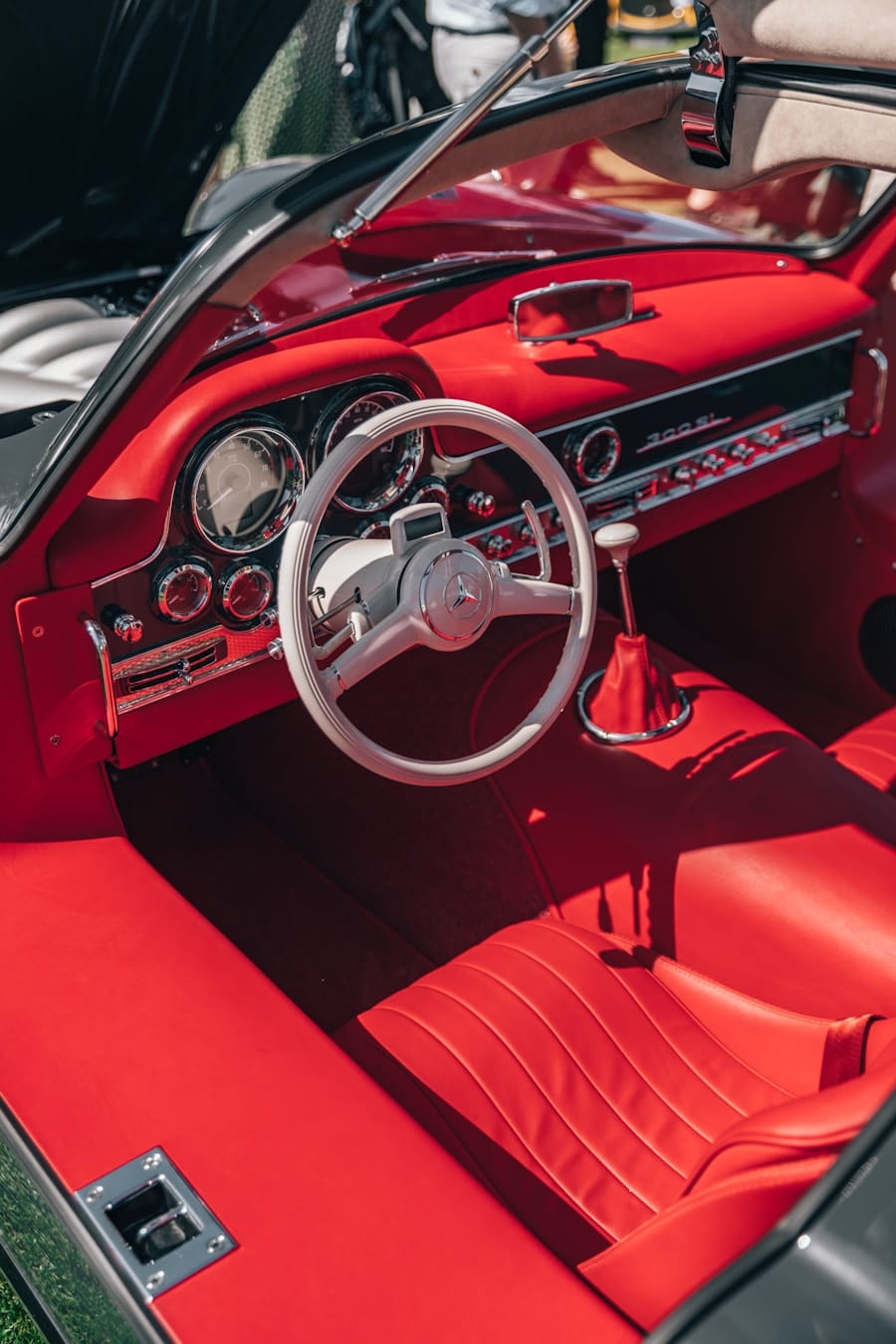
While detailing may seem straightforward, there are common mistakes that many people make that can hinder their efforts. One prevalent error is using household cleaning products on automotive surfaces. Many household cleaners contain harsh chemicals that can damage upholstery or paint finishes.
Always opt for products specifically designed for automotive use to avoid causing harm. Another mistake is neglecting to clean hard-to-reach areas such as air vents or under seats. These spots often harbor dust and allergens that can affect air quality inside your vehicle.
Make it a point to use small brushes or specialized tools designed for these areas during your detailing process. Additionally, skipping protective treatments like wax or sealant after polishing can leave your vehicle vulnerable to environmental damage. Always finish with a protective layer to ensure long-lasting results.
Benefits of Professional Detailing
While many car owners choose to detail their vehicles themselves, there are undeniable benefits to opting for professional detailing services. One of the primary advantages is expertise; professional detailers have extensive training and experience in handling various materials and finishes. They are equipped with specialized tools and products that may not be readily available to the average consumer, allowing them to achieve superior results.
Moreover, professional detailers often provide comprehensive packages that cover every aspect of detailing—from interior cleaning to exterior polishing—ensuring that no detail is overlooked. This level of thoroughness can save you time and effort while delivering results that may be difficult to replicate on your own. Additionally, many professional services offer guarantees on their work, giving you peace of mind knowing that your vehicle is in capable hands.
Maintenance Tips for a Detailed Car
Once you’ve invested time and effort into detailing your vehicle, maintaining its pristine condition becomes essential. Regular maintenance will help prolong the effects of your detailing efforts and keep your car looking fresh for longer periods. One effective strategy is to establish a routine cleaning schedule; this could involve weekly washes or monthly deep cleans depending on how often you use your vehicle.
In addition to regular cleaning, consider implementing protective measures such as using floor mats to shield carpets from dirt and spills or applying seat covers if you frequently transport pets or children. Regularly checking tire pressure and keeping wheels clean will also contribute to an overall polished appearance. Finally, don’t forget about periodic waxing or sealing; this will help maintain your vehicle’s exterior shine while providing an extra layer of protection against environmental elements.
By understanding the importance of detailing and following these guidelines, you can ensure that your vehicle remains in excellent condition for years to come. Whether you choose to tackle detailing yourself or enlist professional help, taking these steps will enhance both the appearance and longevity of your car.
If you are looking to understand more about car repair warranties and insurance, you may want to check out this article that delves into the topic. It is important to be informed about your vehicle’s safeguard and how it can affect your repair process. Additionally, if you are in Bellevue, Washington and in need of auto body repair services, you can read about the best options in this article. Understanding repair costs and estimates is also crucial when it comes to maintaining your vehicle, so be sure to read up on it in this informative piece.
FAQs
What is detailing an automobile?
Detailing an automobile involves thoroughly cleaning and restoring the interior and exterior of the vehicle to a like-new condition. This process goes beyond a regular car wash and includes cleaning, polishing, and protecting all surfaces of the vehicle.
What are the steps for detailing the interior of an automobile?
The steps for detailing the interior of an automobile typically include vacuuming and shampooing the carpets and upholstery, cleaning and conditioning the leather or vinyl surfaces, cleaning and protecting the dashboard and other interior surfaces, and cleaning the windows and mirrors.
What are the steps for detailing the exterior of an automobile?
The steps for detailing the exterior of an automobile usually involve washing and drying the vehicle, claying the paint to remove contaminants, polishing the paint to remove imperfections, applying a protective wax or sealant, cleaning and dressing the tires, and cleaning the windows and mirrors.
What tools and products are needed for detailing an automobile?
Common tools and products used for detailing an automobile include a vacuum cleaner, carpet and upholstery shampoo, leather or vinyl cleaner and conditioner, microfiber towels, a clay bar, polish and wax, tire cleaner and dressing, glass cleaner, and various brushes and applicators.
How often should an automobile be detailed?
The frequency of detailing an automobile depends on factors such as the vehicle’s usage, storage conditions, and the owner’s preferences. Generally, it is recommended to detail a car every 3-6 months to maintain its appearance and protect its surfaces.





