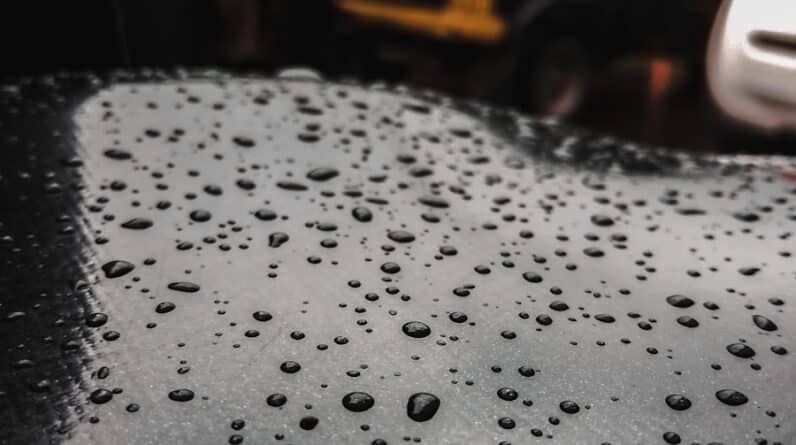
Regular interior cleaning is essential for maintaining a pleasant and healthy environment in your home or vehicle. Over time, dust, dirt, and allergens accumulate, creating an uninviting atmosphere that can affect your mood and overall well-being. By committing to a routine cleaning schedule, you not only enhance the aesthetic appeal of your space but also promote better air quality.
This is particularly important for individuals with allergies or respiratory issues, as a clean interior can significantly reduce the presence of irritants. Moreover, regular cleaning helps preserve the longevity of your furnishings and surfaces. Dirt and grime can cause wear and tear, leading to costly repairs or replacements down the line.
By taking the time to clean your interior regularly, you are investing in the durability of your belongings. This proactive approach not only saves you money but also ensures that your living or driving space remains comfortable and inviting for years to come.
- Regular interior cleaning is important for maintaining a healthy and pleasant environment inside your vehicle.
- Necessary tools and supplies for interior cleaning include a vacuum cleaner, microfiber cloths, interior cleaner, and a soft-bristled brush.
- The step-by-step cleaning process involves removing trash and clutter, vacuuming the interior, wiping down surfaces, and treating any stains or odors.
- Special considerations for different materials such as leather, fabric, and plastic require specific cleaning products and techniques to avoid damage.
- Protecting and maintaining the interior involves using protective products, keeping the interior dry, and avoiding direct sunlight to prevent fading and cracking.
Necessary Tools and Supplies
To embark on your interior cleaning journey, it’s crucial to gather the right tools and supplies. A vacuum cleaner is an indispensable item, as it allows you to efficiently remove dust and debris from carpets, upholstery, and hard-to-reach corners. Opt for a vacuum with various attachments to tackle different surfaces effectively.
Additionally, microfiber cloths are excellent for dusting and wiping surfaces without leaving streaks or lint behind. You will also need an array of cleaning solutions tailored to various surfaces. All-purpose cleaners are versatile and can be used on most surfaces, while specialized products may be necessary for specific materials like leather or wood.
Don’t forget about a good set of brushes and sponges; these tools can help you scrub away stubborn stains and grime. By equipping yourself with the right supplies, you set the stage for a thorough and effective cleaning process.
Step-by-Step Cleaning Process
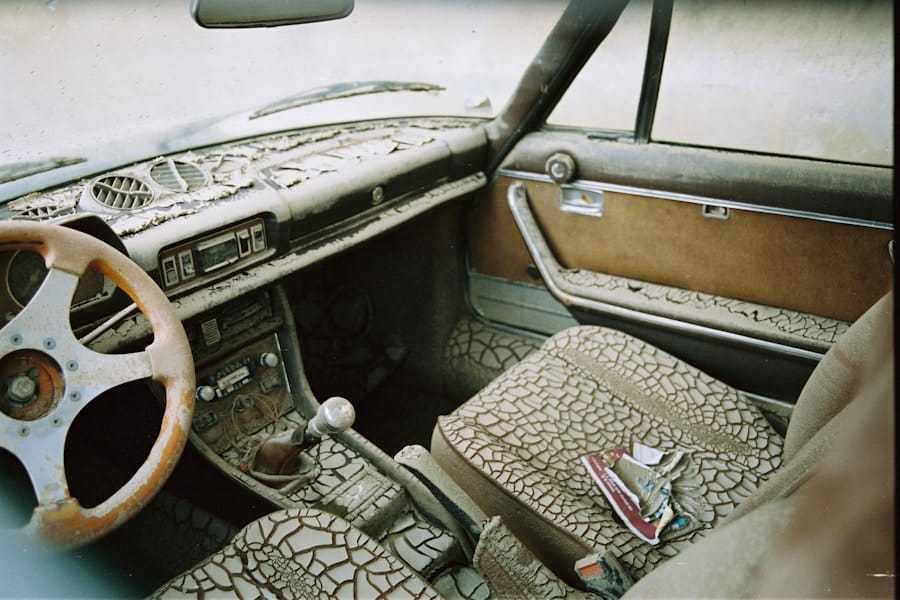
Once you have gathered your tools and supplies, it’s time to dive into the step-by-step cleaning process. Start by decluttering your space; remove any items that don’t belong in the area you’re cleaning. This will make it easier to access surfaces and ensure that you don’t miss any spots.
After decluttering, dust all surfaces, beginning from the highest points and working your way down. This method prevents dust from falling onto already cleaned areas. Next, focus on vacuuming carpets and upholstery.
Use the appropriate attachments to reach crevices and corners where dirt tends to accumulate. For hard floors, sweep or vacuum first before mopping with a suitable cleaner. Pay special attention to high-traffic areas that may require extra scrubbing.
Finally, finish by wiping down surfaces with your chosen cleaning solution, ensuring that you leave everything sparkling clean and fresh.
Special Considerations for Different Materials
When cleaning interiors, it’s essential to consider the specific materials you are working with, as different surfaces require different care techniques. For instance, leather upholstery needs special attention; using a dedicated leather cleaner is crucial to avoid damaging the material. Always test any product on a small, inconspicuous area first to ensure compatibility.
Additionally, conditioning leather after cleaning can help maintain its suppleness and prevent cracking. Wood surfaces also require careful handling. Avoid using excessive water or harsh chemicals that could strip the finish or warp the wood.
Instead, use a damp cloth with a gentle wood cleaner to wipe down surfaces. For glass surfaces, a streak-free glass cleaner will help achieve a crystal-clear finish without leaving residue behind. By understanding the unique needs of various materials, you can ensure that your cleaning efforts are both effective and safe.
Protecting and Maintaining the Interior
Protecting your interior from future dirt and damage is just as important as the initial cleaning process. One effective way to do this is by using protective covers for furniture and upholstery. These covers can shield against spills, stains, and wear while making it easier to clean up messes when they occur.
In vehicles, consider using floor mats that trap dirt and moisture, preventing it from settling into carpets. Regular maintenance is key to keeping your interior looking its best. Establish a routine for quick clean-ups—this could involve daily tidying or weekly dusting—to prevent dirt from building up over time.
Additionally, consider implementing a no-shoes policy in certain areas of your home to minimize outdoor dirt being tracked inside. By taking these proactive measures, you can significantly reduce the frequency and intensity of deep cleaning sessions.
Dealing with Tough Stains and Odors
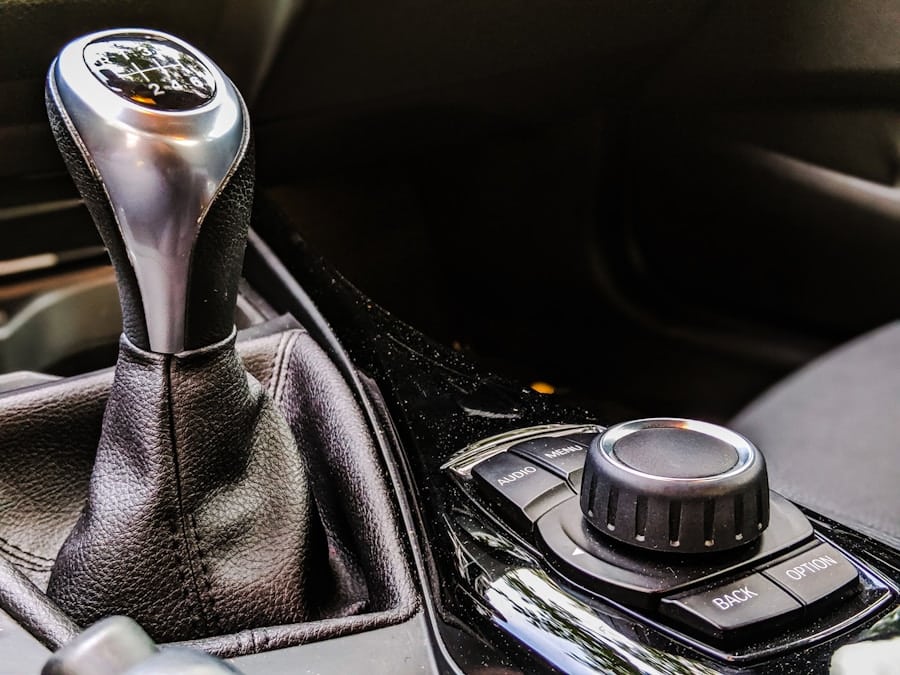
Despite your best efforts at regular cleaning, tough stains and odors may still arise from time to time. When faced with stubborn stains, it’s important to act quickly; the sooner you address them, the easier they will be to remove. For fabric upholstery, blot the stain gently with a clean cloth rather than rubbing it, which can spread the stain further.
Depending on the type of stain—be it food, drink, or ink—specific stain removers may be necessary. Odors can be particularly challenging to eliminate, especially in vehicles where food spills or pet accidents may occur. To combat unpleasant smells, start by thoroughly cleaning the affected area with an appropriate cleaner.
Afterward, consider using baking soda as a natural deodorizer; sprinkle it on carpets or upholstery and let it sit for several hours before vacuuming it up. For persistent odors, an ozone generator or professional-grade odor eliminators may be required to restore freshness.
Professional Cleaning and Detailing Services
While regular interior cleaning is manageable for most people, there are times when enlisting professional help is beneficial. Professional cleaning services offer expertise and equipment that can achieve results beyond what is typically possible at home. They have access to industrial-grade cleaners and specialized tools designed for deep cleaning carpets, upholstery, and hard-to-reach areas.
In addition to general cleaning services, detailing is particularly popular for vehicles. A professional detailer will meticulously clean every inch of your car’s interior, from the dashboard to the floor mats. They can also provide services such as steam cleaning or leather conditioning that may not be feasible for you to do on your own.
Investing in professional services occasionally can rejuvenate your space or vehicle and save you time and effort.
Tips for Maintaining a Clean Interior
To maintain a clean interior over time, consider implementing some simple yet effective habits into your routine. First and foremost, establish a regular cleaning schedule that works for you—whether it’s weekly or bi-weekly—so that cleaning becomes part of your lifestyle rather than a daunting task. Encourage family members or roommates to participate in maintaining cleanliness; shared responsibility can make the process more manageable.
Additionally, keep cleaning supplies easily accessible so that you can quickly address spills or messes as they happen. A small caddy with essential items like wipes, sprays, and cloths can be kept in convenient locations throughout your home or vehicle. Lastly, practice mindfulness about what enters your space; being conscious of clutter and mess can go a long way in maintaining an inviting environment.
By following these guidelines on regular interior cleaning, you can create a space that is not only visually appealing but also promotes health and comfort for everyone who enters it.
If you are looking to properly clean and protect your automobile interior, you may also be interested in reading about the importance of a trusting bond between mechanics and customers in the article “Mechanic Partnership: Crafting a Trusting Bond for Successful Car Repairs”. Building a relationship with your mechanic can ensure that your car receives the best care possible.
FAQs
What are the basic steps for cleaning an automobile interior?
To properly clean an automobile interior, start by removing any trash and clutter. Then, vacuum the interior to remove dirt and debris. Next, use a mild cleaner and a soft cloth to clean surfaces such as the dashboard, door panels, and center console. Finally, use a specialized cleaner for the upholstery and carpets, and finish by wiping down all surfaces with a protectant to maintain their appearance.
What products should I use to clean an automobile interior?
For cleaning an automobile interior, it is recommended to use a mild all-purpose cleaner for hard surfaces, a specialized upholstery and carpet cleaner, and a protectant for surfaces such as vinyl, plastic, and leather. It is important to use products that are specifically designed for automotive use to avoid damaging the interior materials.
How often should I clean my automobile interior?
It is recommended to clean the interior of your automobile at least once a month to maintain its appearance and prevent the buildup of dirt and grime. However, if you frequently transport pets, children, or food in your vehicle, more frequent cleaning may be necessary.
How can I protect the interior of my automobile from damage?
To protect the interior of your automobile, it is important to regularly clean and maintain the surfaces. Additionally, using a protectant on surfaces such as the dashboard, door panels, and leather seats can help prevent fading, cracking, and discoloration caused by UV rays and general wear and tear. It is also advisable to use seat covers and floor mats to protect the upholstery and carpet from spills and stains.