
When you step into your vehicle, you may not realize just how many accessories are at your disposal. Understanding these components is essential for maintaining your car and ensuring a smooth driving experience. Common automobile accessories include items like floor mats, seat covers, and sunshades, which not only enhance comfort but also protect your vehicle’s interior.
Additionally, you might find gadgets such as phone mounts, dash cams, and portable chargers that can make your driving experience more convenient and enjoyable. Recognizing the importance of these accessories can help you make informed decisions about upgrades or replacements. For instance, investing in high-quality floor mats can prevent wear and tear on your car’s carpeting, while a good set of seat covers can protect against spills and stains.
Furthermore, understanding how these accessories function can aid in troubleshooting issues that may arise, allowing you to address problems before they escalate. By familiarizing yourself with the various components of your vehicle, you empower yourself to take better care of your car and enhance its overall functionality.
- Common automobile accessories include power windows, sunroof, Bluetooth, audio systems, wipers, mirrors, air conditioning, heating systems, navigation, and GPS.
- Power supply issues can cause electrical component malfunctions, so it’s important to check the power source and connections.
- Connectivity problems with Bluetooth and audio systems can be resolved by checking for software updates and ensuring proper device pairing.
- Mechanical malfunctions with power windows and sunroof can be addressed by checking for obstructions and lubricating moving parts.
- Visibility issues with wipers and mirrors can be resolved by checking for damage, adjusting settings, and replacing worn-out components.
Checking for Power Supply Issues: Troubleshooting Electrical Components
Checking Fuses
Start by inspecting the fuses related to the component in question. A blown fuse can often be the culprit behind non-functioning lights, power windows, or even your radio. You can usually find the fuse box under the dashboard or in the engine compartment, depending on your vehicle’s make and model. Once you locate it, consult your owner’s manual to identify which fuse corresponds to the accessory you’re troubleshooting.
Examining Wiring
If the fuses are intact, the next step is to examine the wiring. Look for any visible signs of damage, such as frayed wires or loose connections. Sometimes, a simple reconnection can resolve the issue.
Seeking Professional Help
If you’re comfortable with it, you can use a multimeter to test for continuity in the wiring. However, if you’re unsure or uncomfortable with electrical work, it may be best to consult a professional. Electrical systems can be complex, and a trained technician will have the tools and expertise to diagnose and fix any underlying issues effectively.
Addressing Connectivity Problems: Dealing with Bluetooth and Audio Systems
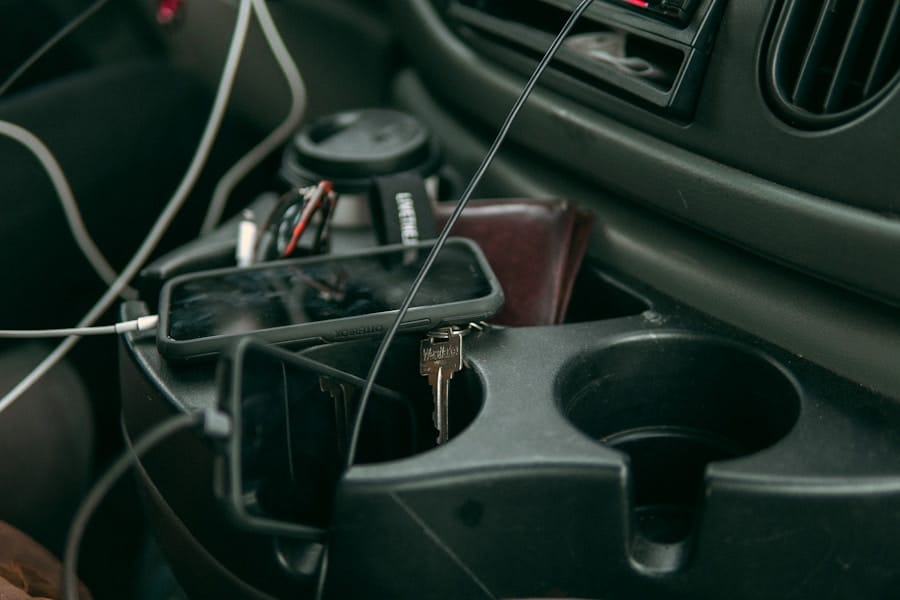
In today’s digital age, connectivity is crucial for an enjoyable driving experience. If you’re having trouble with your Bluetooth or audio system, it can be incredibly frustrating. Start by ensuring that your device is properly paired with your car’s system.
Sometimes, simply unpairing and then re-pairing your device can resolve connectivity issues. Make sure that Bluetooth is enabled on your phone and that you’re within range of the vehicle’s system. If you’re still experiencing problems after checking the pairing, consider resetting your car’s audio system.
Many vehicles have a reset option that can clear any glitches affecting performance. Additionally, check for software updates for both your car’s system and your device. Manufacturers often release updates to improve functionality and fix bugs.
If all else fails, consulting your owner’s manual or reaching out to customer support for your vehicle’s audio system may provide further guidance on troubleshooting steps specific to your model.
Resolving Mechanical Malfunctions: Troubleshooting Power Windows and Sunroof
Power windows and sunroofs are convenient features that enhance your driving experience, but they can sometimes malfunction. If you find that a window won’t roll down or a sunroof won’t open, start by checking the switch. A faulty switch could be preventing the mechanism from functioning properly.
If you have access to a multimeter, you can test the switch for continuity to determine if it’s working as it should. If the switch is functioning correctly, the next step is to inspect the window or sunroof motor. These components can wear out over time due to regular use.
You may need to remove the door panel or headliner to access the motor for inspection. Look for any signs of damage or disconnection in the wiring leading to the motor. If everything appears intact but the window or sunroof still won’t operate, it may be time to consult a professional mechanic who can diagnose and repair any underlying issues effectively.
Dealing with Visibility Issues: Troubleshooting Wipers and Mirrors
Visibility is paramount when driving, making it essential to address any issues with your wipers or mirrors promptly. If your windshield wipers are not functioning correctly, start by checking the wiper blades themselves. Worn or damaged blades can lead to streaking or ineffective clearing of rain and debris.
Replacing them is often a simple task that can significantly improve visibility during inclement weather. If the wipers are operational but not performing as expected, inspect the wiper motor and linkage for any signs of wear or damage. A malfunctioning motor may need replacement, while a loose linkage could require tightening or adjustment.
Additionally, ensure that your mirrors are properly adjusted for optimal visibility. If you’re having trouble with electronic mirrors, check for power supply issues as discussed earlier. Addressing these visibility concerns not only enhances safety but also contributes to a more comfortable driving experience.
Handling Temperature Control Problems: Troubleshooting Air Conditioning and Heating Systems
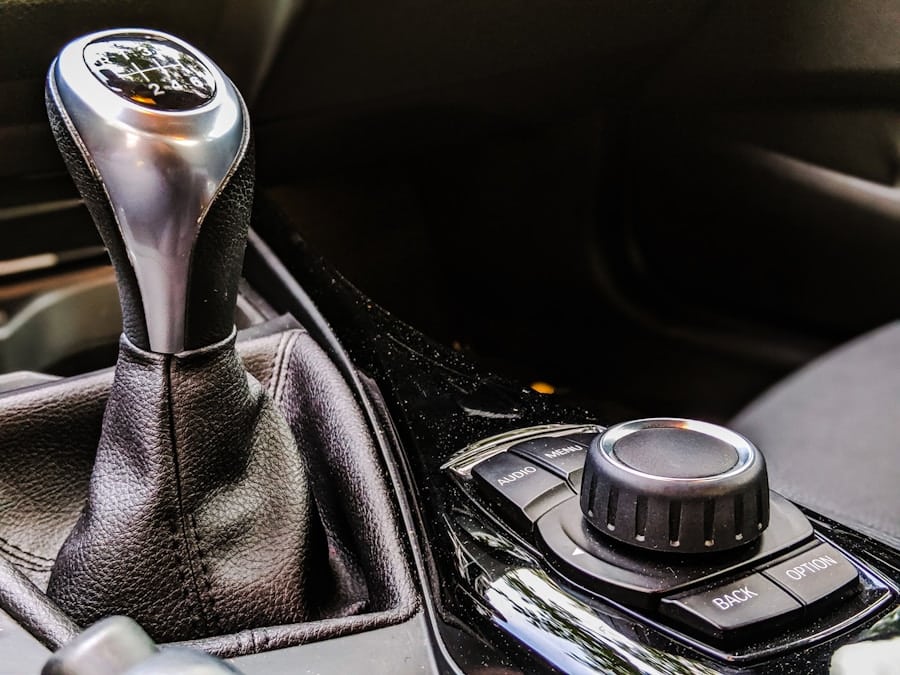
Temperature control systems are vital for maintaining comfort in your vehicle throughout the year. If you’re experiencing issues with your air conditioning or heating system, start by checking the thermostat settings to ensure they are correctly adjusted. Sometimes, a simple oversight can lead to discomfort during extreme weather conditions.
If adjusting the settings doesn’t resolve the issue, inspect the coolant levels in your vehicle’s radiator. Low coolant levels can lead to ineffective heating or cooling performance. Additionally, check for any leaks in the system that could be causing coolant loss.
If everything appears normal but you’re still facing temperature control problems, it may be time to consult a professional technician who can diagnose more complex issues such as compressor failure or blocked condenser coils.
Troubleshooting Navigation and GPS Systems: Addressing Location and Directional Issues
In an era where navigation systems are integral to our driving experience, encountering issues with GPS can be particularly frustrating. If you find that your navigation system is not accurately tracking your location or providing directions, start by checking for software updates. Manufacturers frequently release updates that improve functionality and address bugs.
If updates don’t resolve the issue, consider recalibrating your GPS system. Many systems have a recalibration option in their settings menu that can help restore accuracy. Additionally, ensure that your vehicle has a clear view of the sky; obstructions such as tall buildings or heavy tree cover can interfere with satellite signals.
If problems persist despite these efforts, consulting a professional may be necessary to diagnose hardware issues or other underlying problems affecting performance.
Seeking Professional Help: When to Consult a Mechanic or Technician
While many automotive issues can be resolved through basic troubleshooting techniques, there comes a time when seeking professional help is essential. If you’ve attempted various solutions without success or if you’re uncomfortable performing repairs yourself, it’s wise to consult a mechanic or technician. Professionals have access to specialized tools and diagnostic equipment that can identify problems more accurately than DIY methods.
Additionally, if you notice any unusual sounds or smells coming from your vehicle, it’s crucial not to ignore them. These could be signs of more serious mechanical issues that require immediate attention. By seeking professional help when needed, you ensure that your vehicle remains safe and reliable on the road while potentially saving yourself from more costly repairs down the line.
Remember that regular maintenance checks with a qualified technician can also help prevent many common issues before they arise, keeping your vehicle in optimal condition for years to come.
If you are looking to troubleshoot common problems with automobile accessories, you may also find this article on establishing solid relationships with mechanics and technicians helpful. Building trust with your auto repair professionals can ensure that any issues with your accessories are addressed efficiently and effectively.
FAQs
What are common problems with automobile accessories?
Some common problems with automobile accessories include electrical issues, mechanical malfunctions, and physical damage from wear and tear.
How can I troubleshoot electrical issues with automobile accessories?
To troubleshoot electrical issues with automobile accessories, you can start by checking the fuse box for any blown fuses, testing the wiring with a multimeter, and inspecting the connections for any loose or corroded wires.
What should I do if I encounter mechanical malfunctions with automobile accessories?
If you encounter mechanical malfunctions with automobile accessories, you can start by inspecting the moving parts for any signs of wear or damage, lubricating any moving components, and checking for any loose or broken fasteners.
How can I address physical damage to automobile accessories?
To address physical damage to automobile accessories, you can start by assessing the extent of the damage, sourcing replacement parts if necessary, and performing any necessary repairs or replacements to restore the functionality of the accessory.





