
When it comes to auto repair, having a foundational understanding can significantly enhance your experience as a vehicle owner. You might think of auto repair as a daunting task reserved for professionals, but grasping the basics can empower you to make informed decisions. At its core, auto repair involves diagnosing and fixing issues that arise in your vehicle, whether they are mechanical, electrical, or related to the body.
Familiarizing yourself with the essential components of your car, such as the engine, transmission, brakes, and electrical systems, can help you identify potential problems before they escalate. Moreover, understanding the common signs of trouble can save you time and money. For instance, if you notice unusual noises when starting your engine or if your dashboard warning lights illuminate, these could be indicators that something is amiss.
By recognizing these symptoms early on, you can address them promptly, potentially avoiding more extensive repairs down the line. Additionally, learning about basic maintenance tasks—like checking oil levels, tire pressure, and coolant levels—can keep your vehicle running smoothly and extend its lifespan.
- Understanding the basics of auto repair is essential for every vehicle owner to ensure safety and efficiency.
- Choosing the right mechanic for your vehicle involves research, referrals, and a clear understanding of your vehicle’s needs.
- Regular maintenance is crucial for preventing costly repairs and ensuring the longevity of your vehicle.
- DIY auto repair can save money, but professional auto repair offers expertise and warranty on services.
- Common auto repair myths, such as the need for an oil change every 3,000 miles, should be debunked to make informed decisions about vehicle maintenance.
Choosing the Right Mechanic for Your Vehicle
Research and Recommendations
Start by seeking recommendations from friends, family, or online reviews to compile a list of potential mechanics in your area.
Evaluating the Shop and the Mechanic
Once you have a shortlist, consider visiting their shops to get a feel for their professionalism and customer service. A clean, organized shop often reflects a mechanic’s attention to detail and commitment to quality work. When you meet with a mechanic, don’t hesitate to ask questions about their experience and certifications.
What to Look for in a Reputable Mechanic
A reputable mechanic should be willing to explain their qualifications and provide insight into their repair processes. Additionally, inquire about warranties on parts and labor; a good mechanic stands behind their work and offers guarantees that give you peace of mind. Trust your instincts—if something feels off during your interactions, it may be worth exploring other options.
The Importance of Regular Maintenance
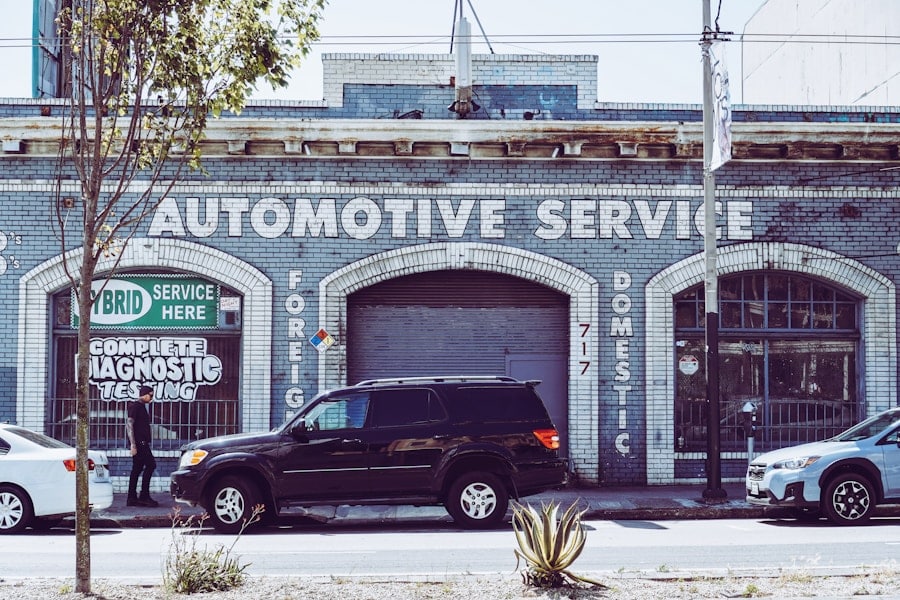
Regular maintenance is the cornerstone of vehicle longevity and performance. Just like any machine, your car requires routine check-ups to function optimally. Neglecting maintenance can lead to minor issues snowballing into major problems that could leave you stranded or facing hefty repair bills.
Simple tasks such as oil changes, tire rotations, and brake inspections are essential for keeping your vehicle in top shape. By adhering to the manufacturer’s recommended maintenance schedule, you can ensure that your car remains reliable and efficient. Moreover, regular maintenance can enhance your vehicle’s resale value.
A well-maintained car is more appealing to potential buyers and can command a higher price when it comes time to sell or trade it in. Keeping detailed records of all maintenance performed not only helps you stay organized but also serves as proof of care for prospective buyers. Ultimately, investing time and resources into regular maintenance pays off in the long run by providing peace of mind and extending the life of your vehicle.
DIY vs Professional Auto Repair: Pros and Cons
The debate between DIY auto repair and seeking professional help is one that many vehicle owners grapple with. On one hand, tackling repairs yourself can be rewarding and cost-effective. If you possess a certain level of mechanical aptitude and enjoy working with your hands, DIY repairs can save you money on labor costs.
Additionally, there are countless resources available online—such as tutorials and forums—that can guide you through various repair processes. This hands-on approach can also deepen your understanding of how your vehicle operates. However, there are significant drawbacks to consider when opting for DIY repairs.
Not all repairs are suitable for amateur mechanics; some issues require specialized knowledge and tools that you may not possess. Attempting complex repairs without adequate experience can lead to further damage or safety hazards. Moreover, if you make a mistake during a DIY repair, it could end up costing you more in the long run than if you had sought professional assistance from the start.
Weighing these pros and cons carefully will help you determine the best approach for each situation.
Common Auto Repair Myths Debunked
The world of auto repair is rife with myths that can mislead vehicle owners and lead to poor decision-making. One prevalent myth is that premium gasoline is always better for your car’s performance. While high-octane fuel is necessary for certain high-performance vehicles, most cars are designed to run efficiently on regular gasoline.
Using premium fuel in a vehicle that doesn’t require it is an unnecessary expense without tangible benefits. Another common misconception is that you must return to the dealership for service to maintain your warranty. In reality, federal law allows you to have your vehicle serviced at any qualified shop without voiding your warranty, as long as the work performed meets manufacturer specifications.
This myth often leads car owners to overpay for routine services at dealerships when they could find more affordable options elsewhere. By debunking these myths, you can make more informed choices about your vehicle’s care.
Maximizing the Lifespan of Your Vehicle
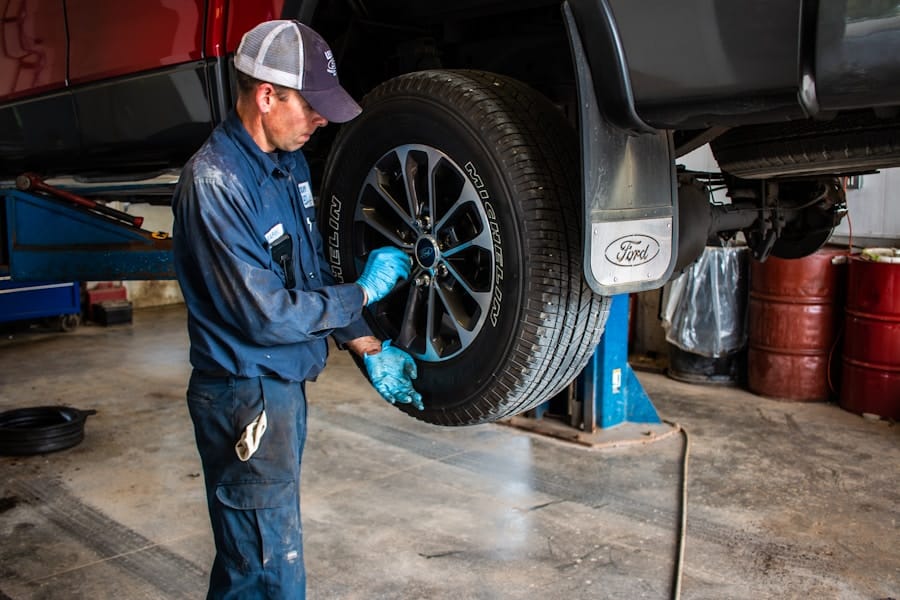
To maximize the lifespan of your vehicle, proactive care is essential. Regular maintenance is just one aspect; adopting good driving habits can also play a significant role in extending your car’s life. For instance, avoiding aggressive acceleration and hard braking can reduce wear on critical components like the engine and brakes.
Additionally, being mindful of how you load your vehicle—avoiding excessive weight—can improve fuel efficiency and reduce strain on the suspension system. Another effective strategy is to keep your vehicle clean and protected from environmental factors. Regular washing removes dirt and grime that can lead to rust and corrosion over time.
Waxing your car not only enhances its appearance but also provides a protective layer against UV rays and other damaging elements. By combining good driving practices with regular cleaning and maintenance routines, you can significantly enhance your vehicle’s longevity.
The Role of Technology in Modern Auto Repair
Technology has revolutionized the auto repair industry in recent years, making diagnostics and repairs more efficient than ever before. Modern vehicles are equipped with sophisticated onboard computers that monitor various systems and provide valuable data when issues arise. Mechanics now utilize advanced diagnostic tools that can quickly identify problems by interfacing with these systems, allowing for faster and more accurate repairs.
Furthermore, technology has improved communication between mechanics and customers. Many shops now offer online appointment scheduling, digital inspections with photos of issues found during service, and transparent pricing estimates before work begins. This level of transparency fosters trust between you and your mechanic while ensuring that you are fully informed about the services being performed on your vehicle.
Budget-Friendly Tips for Auto Repair and Maintenance
Maintaining a budget while caring for your vehicle is entirely possible with some strategic planning and smart choices. One effective way to save money is by keeping up with regular maintenance; this proactive approach can prevent costly repairs down the line. Additionally, consider learning how to perform basic maintenance tasks yourself—such as changing oil or replacing air filters—using online resources or instructional videos as guides.
Another budget-friendly tip is to shop around for parts when repairs are necessary. Many online retailers offer competitive prices on automotive parts compared to local auto shops or dealerships. However, ensure that any parts purchased are compatible with your specific make and model to avoid further complications.
Lastly, don’t hesitate to ask about discounts or loyalty programs at local repair shops; many establishments offer promotions that can help reduce costs while ensuring quality service for your vehicle. In conclusion, understanding auto repair basics empowers you as a vehicle owner to make informed decisions about maintenance and repairs. Choosing the right mechanic is crucial for quality service, while regular maintenance ensures longevity and performance.
Weighing the pros and cons of DIY versus professional repairs helps you navigate challenges effectively. By debunking common myths and maximizing technology’s role in modern auto repair, you can enhance your experience as a car owner while keeping costs manageable through budget-friendly strategies.
If you’re looking to unveil the secrets of expert auto repair, you may also be interested in selecting a trustworthy auto repair shop. This article on selecting a trustworthy auto repair shop provides valuable tips and insights on finding a reliable and reputable service provider. Additionally, if you’re in the Bakersfield or Rancho Cucamonga area in California, you may want to check out the best auto body repair shops in those locations. Visit Bakersfield or Rancho Cucamonga for more information on top-rated auto body repair services in these areas.
FAQs
What are the common signs that my car needs expert auto repair?
Some common signs that your car may need expert auto repair include strange noises, unusual vibrations, dashboard warning lights, decreased fuel efficiency, and difficulty starting the engine.
What are the benefits of expert auto repair?
Expert auto repair can help ensure the safety and reliability of your vehicle, extend its lifespan, improve its performance, and maintain its resale value.
What are some important maintenance tasks that expert auto repair can address?
Expert auto repair can address important maintenance tasks such as oil changes, tire rotations, brake inspections, fluid checks, engine tune-ups, and transmission servicing.
How often should I bring my car in for expert auto repair?
The frequency of expert auto repair depends on factors such as the age of your vehicle, its mileage, and the manufacturer’s recommended maintenance schedule. It’s generally recommended to have your car serviced every 3,000 to 5,000 miles or every 3 to 6 months.
What should I look for in an expert auto repair shop?
When choosing an expert auto repair shop, look for certifications, experience, customer reviews, warranty offerings, transparent pricing, and a clean and organized facility. It’s also important to ensure that the shop specializes in the specific make and model of your vehicle.





