
When it comes to automobile repairs, understanding the fundamentals can save you both time and money. At its core, automobile repair involves diagnosing issues, replacing or fixing faulty components, and ensuring that your vehicle operates safely and efficiently. Whether you’re dealing with a minor inconvenience like a flat tire or a more serious problem such as engine failure, knowing the basics can empower you to make informed decisions about your vehicle’s care.
You should familiarize yourself with the common tools and equipment used in automobile repairs. Basic tools like wrenches, screwdrivers, and jacks are essential for any DIY enthusiast. Additionally, having a good repair manual specific to your vehicle can be invaluable.
It provides detailed instructions on how to tackle various repairs and maintenance tasks. Understanding these basics not only helps you in emergencies but also enhances your overall knowledge of how your vehicle operates.
- Regular maintenance is crucial for keeping your car in good condition and preventing common car problems.
- Understanding the role of different car parts can help you identify issues and communicate effectively with your mechanic.
- Choosing the right mechanic or repair shop is important for getting quality service and avoiding unnecessary repairs.
- DIY repairs can save money, but professional repairs ensure expertise and warranty on the work done.
- Technology and innovation are shaping the future of automobile repairs, with advancements in diagnostics and repair techniques.
Common Car Problems and Their Solutions
Every car owner eventually encounters common issues that can arise with their vehicle. One of the most frequent problems is a dead battery. This can happen due to various reasons, such as leaving your lights on or simply due to age.
If you find yourself in this situation, jump-starting the battery is often a quick fix. However, if the battery continues to fail, it may be time to replace it altogether. Another prevalent issue is tire wear or damage.
Regularly checking your tire pressure and tread depth can help you avoid blowouts and improve fuel efficiency. If you notice uneven wear, it could indicate alignment issues or the need for rotation. Addressing these problems promptly can extend the life of your tires and enhance your driving experience.
By being proactive about these common car problems, you can save yourself from more significant repairs down the line.
Understanding the Role of Different Car Parts
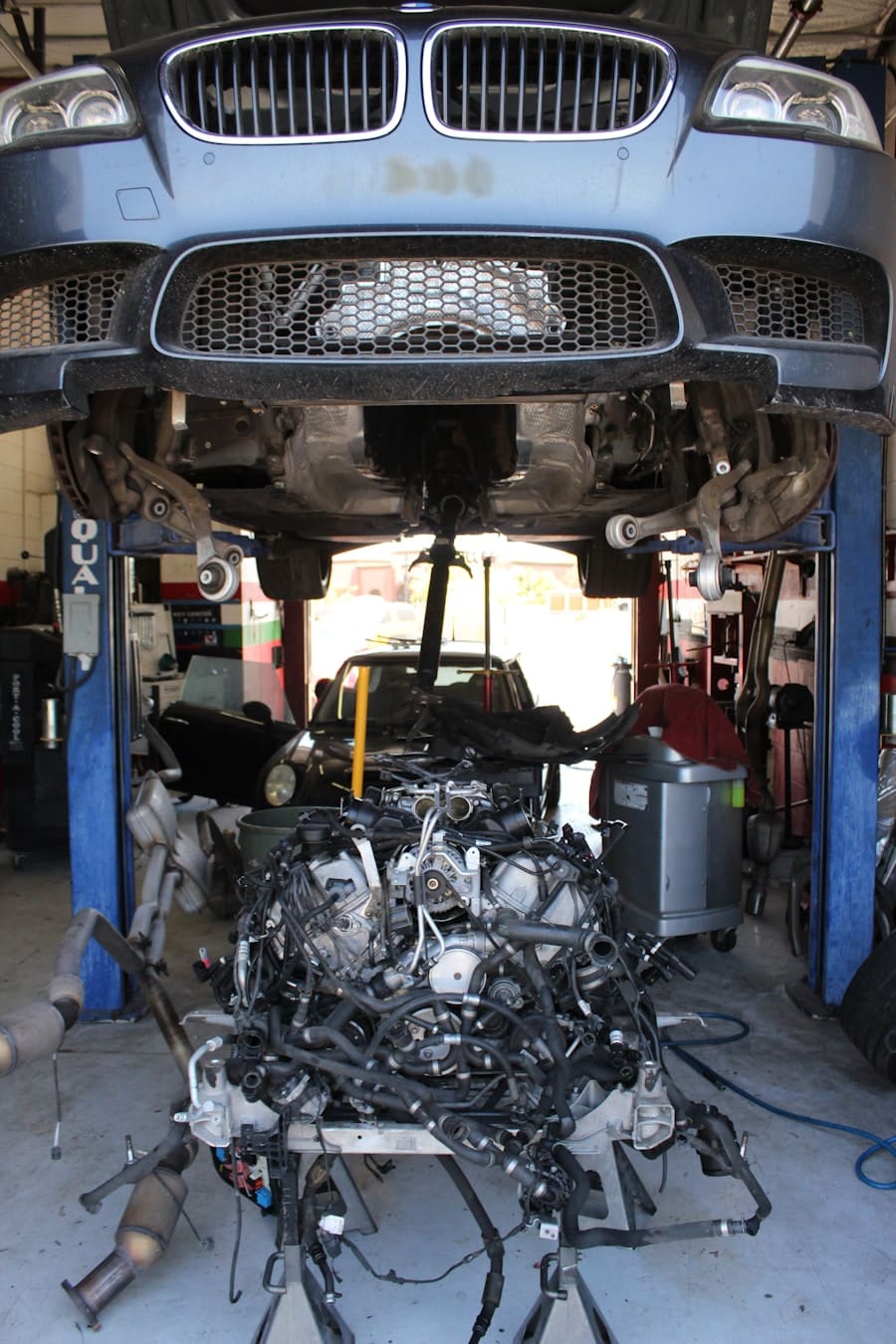
To effectively manage your vehicle’s maintenance and repairs, it’s crucial to understand the roles of various car parts. The engine is often considered the heart of the vehicle; it converts fuel into motion. Familiarizing yourself with components like spark plugs, fuel injectors, and the exhaust system can help you identify potential issues early on.
For instance, if your car is misfiring, it could be a sign that your spark plugs need replacement. Another vital component is the braking system, which includes parts like brake pads, rotors, and calipers. Understanding how these parts work together can help you recognize when they need attention.
For example, if you hear squeaking noises when applying the brakes, it may indicate that your brake pads are worn down and need replacing. By knowing how different parts function, you can better communicate with mechanics and make informed decisions about repairs.
The Importance of Regular Maintenance
Regular maintenance is essential for keeping your vehicle in optimal condition. Just like any machine, cars require routine check-ups to ensure all systems are functioning correctly. This includes oil changes, fluid checks, and filter replacements.
Neglecting these tasks can lead to more severe problems down the road, such as engine damage or transmission failure. Moreover, regular maintenance can enhance your vehicle’s performance and fuel efficiency. A well-maintained car runs smoother and consumes less fuel, saving you money in the long run.
Additionally, keeping up with maintenance can help retain your vehicle’s resale value. Prospective buyers are often more inclined to purchase a car with a documented maintenance history, making it a wise investment for the future.
Choosing the Right Mechanic or Repair Shop
Selecting a reliable mechanic or repair shop is crucial for ensuring quality service for your vehicle. Start by seeking recommendations from friends or family who have had positive experiences. Online reviews can also provide insight into a shop’s reputation.
Look for mechanics who are certified and have experience working on your specific make and model. Once you’ve narrowed down your options, consider visiting the shop for an initial consultation. This allows you to gauge their professionalism and customer service firsthand.
A trustworthy mechanic will take the time to explain issues clearly and provide transparent estimates for repairs. Building a relationship with a reliable mechanic can lead to better service and peace of mind regarding your vehicle’s care.
DIY vs Professional Repairs: Pros and Cons

Benefits of DIY Repairs
Tackling repairs yourself can save you money and give you a sense of accomplishment. Simple tasks like changing oil or replacing air filters can be done with minimal tools and knowledge. Plus, learning how to perform basic repairs can deepen your understanding of automotive mechanics.
Drawbacks of DIY Repairs
However, there are significant drawbacks to consider as well. Not all repairs are suitable for DIY attempts; some require specialized tools or expertise that you may not possess.
When to Seek Professional Help
Attempting complex repairs without proper knowledge can lead to further damage or safety hazards. In such cases, seeking professional help is often the best course of action to ensure that repairs are done correctly and safely.
The Future of Automobile Repairs: Technology and Innovation
As technology continues to advance, the landscape of automobile repairs is evolving rapidly. Modern vehicles are equipped with sophisticated systems that require specialized diagnostic tools for accurate troubleshooting. Innovations such as onboard diagnostics (OBD) allow mechanics to quickly identify issues through computer systems, streamlining the repair process.
Additionally, electric vehicles (EVs) are becoming increasingly popular, bringing new challenges and opportunities for repair shops. EVs have different maintenance needs compared to traditional gasoline-powered vehicles, requiring mechanics to adapt their skills accordingly. As technology progresses, staying informed about these changes will be essential for both car owners and repair professionals alike.
Tips for Saving Money on Car Repairs
Saving money on car repairs is a goal for many vehicle owners, and there are several strategies you can employ to achieve this. First and foremost, staying on top of regular maintenance can prevent costly repairs down the line. By addressing minor issues before they escalate into major problems, you can save significant amounts on repair bills.
Another effective way to save money is by shopping around for quotes before committing to a repair shop. Different mechanics may offer varying prices for similar services, so it pays to compare options. Additionally, consider asking about discounts or loyalty programs that some shops may offer for repeat customers.
Finally, don’t hesitate to learn basic repair skills; even small tasks like changing wiper blades or replacing light bulbs can save you money over time. In conclusion, understanding automobile repairs is essential for every car owner. By familiarizing yourself with common problems, the roles of different parts, and the importance of regular maintenance, you can take proactive steps in caring for your vehicle.
Whether you choose to tackle repairs yourself or seek professional help, being informed will empower you to make better decisions regarding your automobile’s care and longevity.
If you’re interested in learning more about warranty and insurance considerations when it comes to automobile repairs, check out this informative article on autobodyrepairhq.com. It provides valuable insights on how to navigate the complexities of warranties and insurance coverage when getting your vehicle repaired. Additionally, if you’re in the McAllen or Laredo, Texas area and are looking for the best auto body repair shops, be sure to read the articles on McAllen and Laredo for recommendations on top-rated repair shops in those areas.
FAQs
What are some common automobile repairs that car owners may encounter?
Some common automobile repairs that car owners may encounter include brake repairs, oil changes, tire replacements, battery replacements, and engine tune-ups.
How can car owners find a reliable automobile repair shop?
Car owners can find a reliable automobile repair shop by asking for recommendations from friends and family, reading online reviews, checking for certifications and accreditations, and visiting the shop to assess its cleanliness and organization.
What are some important factors to consider when choosing an automobile repair shop?
Some important factors to consider when choosing an automobile repair shop include the shop’s reputation, experience, pricing, warranty on repairs, customer service, and the qualifications of the mechanics.
What should car owners do to maintain their vehicles and prevent major repairs?
Car owners should regularly maintain their vehicles by following the manufacturer’s recommended maintenance schedule, checking fluid levels, inspecting tires, and addressing any issues promptly to prevent major repairs.
How can car owners communicate effectively with mechanics when getting their vehicles repaired?
Car owners can communicate effectively with mechanics by accurately describing the issues they are experiencing, providing any relevant history of the vehicle’s maintenance and repairs, and asking questions to understand the recommended repairs.





