
When it comes to vehicle upkeep, transmission maintenance often takes a backseat to more visible issues like oil changes or tire rotations. However, neglecting this crucial component can lead to significant problems down the line. Your vehicle’s transmission is responsible for transferring power from the engine to the wheels, allowing you to accelerate, decelerate, and navigate various terrains.
Without proper maintenance, you risk not only the performance of your vehicle but also your safety on the road. Regular transmission maintenance can save you from costly repairs and extend the life of your vehicle. Just as you wouldn’t ignore a warning light on your dashboard, you should also pay attention to the signs that your transmission needs care.
Routine checks, fluid changes, and inspections can help identify potential issues before they escalate into major problems. By prioritizing transmission maintenance, you ensure that your vehicle operates smoothly and efficiently, providing you with peace of mind during your travels.
- Regular transmission maintenance is crucial for the longevity and performance of your vehicle.
- Signs of transmission problems include strange noises, slipping gears, and leaking fluid.
- When choosing a transmission repair shop, look for experience, certifications, and customer reviews.
- Understanding transmission repairs and replacements can help you make informed decisions and avoid unnecessary costs.
- Common transmission issues like overheating and worn-out clutches can be resolved with proper maintenance and timely repairs.
Signs of Transmission Problems
Unusual Noises
One of the most common indicators of transmission problems is unusual noises, such as grinding or whining sounds when shifting gears. If you hear these noises, it’s essential to address them promptly, as they may signal internal damage or wear.
Performance Issues
Additionally, if you notice that your vehicle hesitates or struggles to shift gears, this could indicate low transmission fluid levels or a failing transmission.
Fluid Leaks and Warning Signs
Another critical sign to watch for is fluid leaks. Transmission fluid is typically red or brown and has a distinct smell. If you find puddles of this fluid under your vehicle, it’s a clear indication that something is amiss. Furthermore, if your check engine light illuminates, it’s wise to have your transmission checked, as this warning can be linked to various issues within the system. By being vigilant and aware of these signs, you can take proactive steps to address transmission problems before they lead to more severe complications.
Choosing the Right Transmission Repair Shop
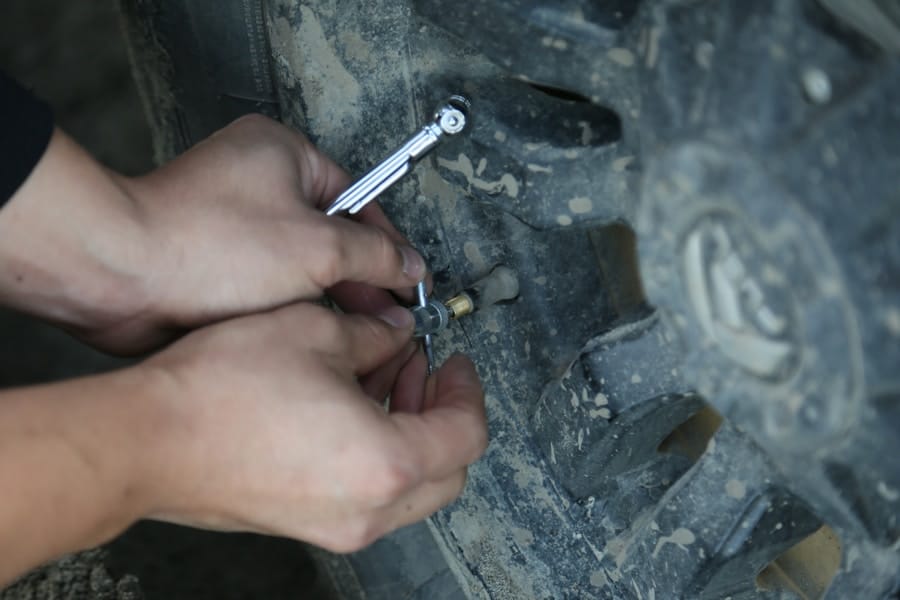
Selecting the right transmission repair shop is crucial for ensuring that your vehicle receives the best possible care. Start by seeking recommendations from friends, family, or online reviews to find reputable shops in your area. Look for establishments that specialize in transmission work, as they will have the necessary expertise and equipment to diagnose and repair issues effectively.
A shop with certified technicians is also a good indicator of quality service. Once you have a shortlist of potential repair shops, visit them in person if possible. Pay attention to the cleanliness and organization of the facility; a well-maintained shop often reflects the quality of work performed.
Don’t hesitate to ask questions about their experience with your specific make and model, as well as their warranty policies on repairs. A trustworthy shop will be transparent about their processes and pricing, ensuring that you feel confident in your choice.
Understanding Transmission Repairs and Replacements
When faced with transmission issues, understanding the difference between repairs and replacements is essential for making informed decisions. Repairs typically involve fixing specific components within the transmission system, such as replacing seals or gaskets, adjusting bands, or addressing fluid leaks. These repairs can often restore functionality without the need for a complete overhaul, making them a cost-effective solution for minor issues.
On the other hand, a full transmission replacement may be necessary if the damage is extensive or if the transmission has reached the end of its lifespan. This process involves removing the old transmission and installing a new or rebuilt unit. While this option can be more expensive upfront, it may ultimately save you money in the long run by providing a more reliable solution.
Understanding these distinctions will empower you to discuss your options with your mechanic and choose the best course of action for your vehicle.
Common Transmission Issues and Solutions
Several common transmission issues can arise over time, each with its own set of solutions. One frequent problem is slipping gears, where the transmission unexpectedly changes gears or fails to stay in gear. This issue can often be resolved by checking and replacing low or contaminated transmission fluid.
In some cases, it may also require adjustments to the bands or clutches within the transmission. Another prevalent issue is overheating, which can lead to severe damage if not addressed promptly. Overheating can occur due to low fluid levels, a malfunctioning cooler, or excessive towing loads.
To combat this problem, ensure that your transmission fluid is at the correct level and consider installing an auxiliary cooler if you frequently tow heavy loads. By being aware of these common issues and their solutions, you can take proactive measures to maintain your vehicle’s transmission health.
The Role of Technology in Transmission Repairs
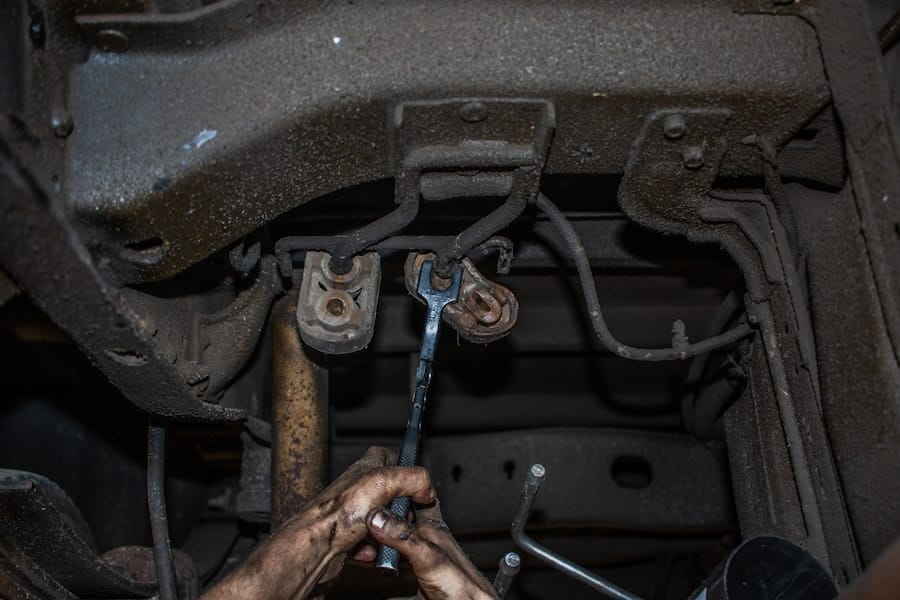
In today’s automotive landscape, technology plays an increasingly vital role in diagnosing and repairing transmission issues. Advanced diagnostic tools allow mechanics to pinpoint problems with precision, reducing guesswork and ensuring that repairs are targeted and effective. These tools can read error codes from your vehicle’s computer system, providing valuable insights into what might be wrong with your transmission.
Moreover, technology has also improved the quality of replacement parts available on the market. Many manufacturers now produce high-quality remanufactured transmissions that meet or exceed original equipment specifications. This means that when you do need a replacement, you can have confidence in the reliability and performance of the new unit.
Embracing these technological advancements not only enhances repair accuracy but also contributes to better overall vehicle performance.
Transmission Maintenance Tips for Longevity
To ensure the longevity of your vehicle’s transmission, adopting a proactive maintenance routine is essential. Start by regularly checking your transmission fluid levels and condition; clean fluid should be bright red and free from debris or burnt smells. If you notice any discoloration or unusual odors, it’s time for a fluid change.
Most manufacturers recommend changing the transmission fluid every 30,000 to 60,000 miles, but always refer to your owner’s manual for specific guidelines. Additionally, avoid overloading your vehicle beyond its capacity, as excessive weight can strain the transmission and lead to premature wear. If you frequently tow heavy loads or drive in stop-and-go traffic, consider investing in an auxiliary cooler to help manage heat buildup in the transmission system.
By following these maintenance tips and being mindful of how you drive, you can significantly extend the life of your transmission and enhance your vehicle’s overall performance.
The Benefits of Seamless Auto Repairs
Opting for seamless auto repairs offers numerous advantages that go beyond just convenience. When repairs are handled efficiently and effectively, you minimize downtime and get back on the road faster. This is particularly important for those who rely on their vehicles for daily commuting or business purposes.
A seamless repair process ensures that you’re not left waiting for extended periods while your vehicle is in the shop. Moreover, seamless auto repairs often lead to better overall satisfaction with your service provider. When repairs are completed without unnecessary complications or delays, it fosters trust between you and your mechanic.
This relationship can be invaluable when it comes time for future maintenance or repairs; knowing that you have a reliable shop at your disposal can alleviate stress and provide peace of mind as you navigate your automotive needs. By prioritizing seamless auto repairs, you invest in both your vehicle’s health and your own peace of mind on the road.
If you’re interested in learning more about earning your mechanic’s trust and techniques for positive auto repair experiences, check out this insightful article