
The journey of auto repairs is as intricate as the vehicles themselves. When automobiles first emerged in the late 19th century, they were a luxury reserved for the wealthy. Early cars were simple machines, often requiring little more than basic maintenance.
However, as the automotive industry evolved, so did the complexity of vehicles. By the early 20th century, mass production techniques introduced by Henry Ford made cars accessible to the general public, leading to an explosion in car ownership. This surge created a burgeoning need for repair services, as more vehicles on the road meant more potential for wear and tear.
As you delve deeper into the history of auto repairs, you’ll find that the industry has undergone significant transformations. The introduction of assembly lines not only revolutionized car manufacturing but also set the stage for specialized repair shops. Mechanics began to emerge as skilled tradespeople, often learning their craft through apprenticeships.
By the mid-20th century, auto repair shops became commonplace, equipped with tools and knowledge to handle increasingly sophisticated vehicles. The evolution of automotive technology has continued to shape repair practices, leading to a rich history that reflects broader societal changes and technological advancements.
- Auto repairs have a long history dating back to the early 20th century, with the first repair shops specializing in fixing mechanical issues in cars.
- Common car problems such as engine overheating, flat tires, and dead batteries can often be solved with simple solutions like checking coolant levels, changing a tire, or jump-starting the battery.
- Essential auto repair equipment includes tools like wrenches, sockets, screwdrivers, and jacks, as well as diagnostic equipment like OBD scanners and multimeters.
- Technology plays a crucial role in modern auto repairs, with advancements in diagnostic tools, computerized systems, and electronic components revolutionizing the industry.
- Knowing when to tackle car repairs yourself and when to call a mechanic depends on the complexity of the issue, your skill level, and the availability of tools and resources.
Common Car Problems and Solutions
As a car owner, you may encounter a variety of common issues that can arise unexpectedly. One of the most frequent problems is a dead battery. This can happen due to various reasons, such as leaving your lights on or simply due to age.
If you find yourself in this situation, jump-starting your vehicle is often a quick solution. However, it’s essential to check the battery’s health afterward and consider replacing it if it’s nearing the end of its lifespan. Another prevalent issue is tire problems, which can range from flat tires to uneven wear.
Regularly checking your tire pressure and tread depth can help prevent these issues from escalating. If you notice a flat tire, you can often change it yourself if you have the right tools and knowledge. However, if you’re unsure or lack the necessary equipment, visiting a tire shop for repairs or replacements is advisable.
Understanding these common problems and their solutions empowers you to take action when faced with car troubles.
Tools of the Trade: A Look at Essential Auto Repair Equipment
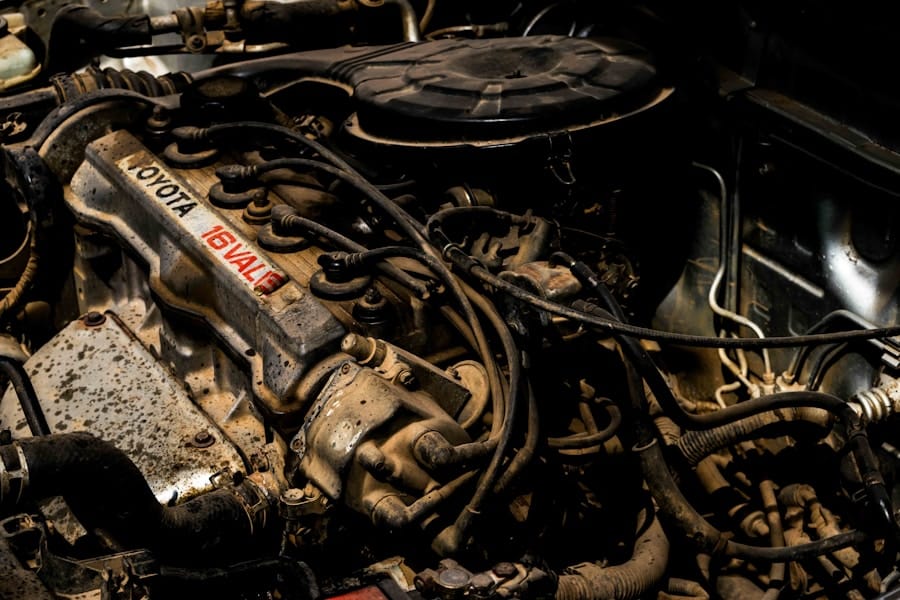
When it comes to auto repairs, having the right tools is crucial for success. As you embark on your journey into car maintenance or repairs, you’ll want to familiarize yourself with essential equipment that every mechanic should have in their arsenal. A basic toolset typically includes wrenches, screwdrivers, pliers, and sockets.
These tools are fundamental for performing a wide range of tasks, from changing oil to replacing spark plugs. In addition to hand tools, diagnostic equipment has become increasingly important in modern auto repairs. OBD-II scanners allow you to read error codes from your vehicle’s computer system, providing valuable insights into potential issues.
Investing in a quality jack and jack stands is also essential for safely lifting your vehicle during repairs. As you gather your tools, remember that quality matters; investing in durable equipment will save you time and frustration in the long run.
The Role of Technology in Modern Auto Repairs
Technology has dramatically transformed the landscape of auto repairs in recent years. With advancements in automotive engineering, vehicles are now equipped with sophisticated systems that require specialized knowledge and tools for diagnosis and repair. For instance, modern cars often feature complex electronic systems that control everything from engine performance to safety features.
As a result, mechanics must stay updated on the latest technologies and training to effectively service these vehicles. Moreover, technology has streamlined many aspects of auto repairs. Online resources and forums provide valuable information for both DIY enthusiasts and professional mechanics alike.
You can access repair manuals, instructional videos, and troubleshooting guides with just a few clicks. Additionally, many repair shops now utilize software for inventory management and customer service, enhancing efficiency and communication. Embracing technology not only improves repair processes but also elevates the overall customer experience.
DIY vs Professional: When to Tackle Car Repairs Yourself and When to Call a Mechanic
Deciding whether to tackle car repairs yourself or seek professional help can be a daunting task. On one hand, DIY repairs can save you money and provide a sense of accomplishment. Simple tasks like changing oil or replacing air filters are often manageable for those with basic mechanical skills.
If you enjoy working with your hands and have the time to learn, taking on these projects can be rewarding. However, there are instances when calling a mechanic is the wiser choice. Complex issues such as engine problems or transmission failures require specialized knowledge and tools that most DIYers may not possess.
Additionally, attempting repairs beyond your skill level can lead to further damage and increased costs down the line. It’s essential to assess your comfort level and expertise before diving into any repair project; knowing when to seek professional assistance can save you time, money, and frustration.
Understanding the Basics of Car Maintenance
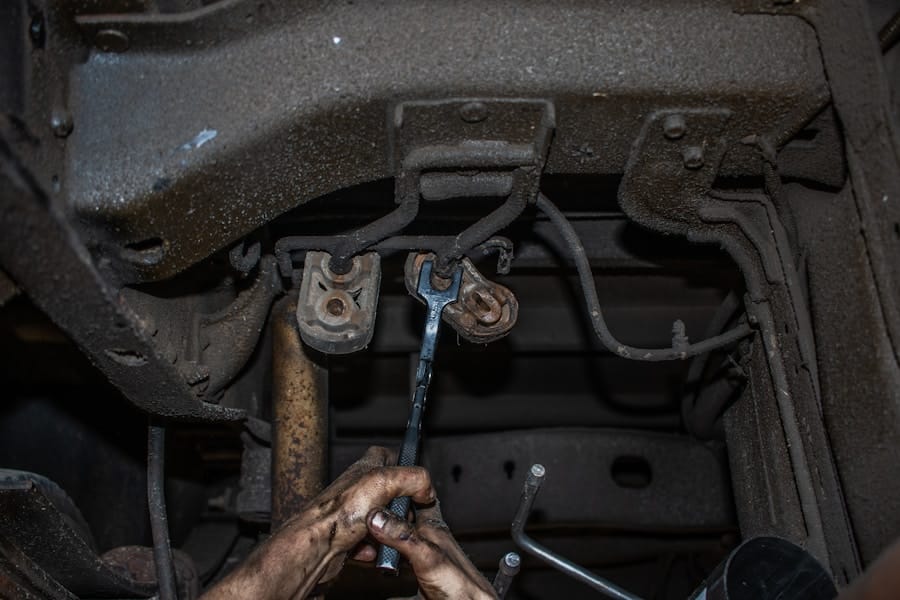
To keep your vehicle running smoothly, understanding the basics of car maintenance is essential. Regular maintenance not only prolongs the life of your car but also enhances safety on the road. One of the most critical aspects of car maintenance is oil changes.
Regularly changing your oil helps ensure that your engine runs efficiently and prevents damage from dirty or degraded oil. In addition to oil changes, paying attention to fluid levels is crucial for optimal performance. This includes checking coolant levels, brake fluid, transmission fluid, and windshield washer fluid regularly.
Tire maintenance is another vital component; rotating your tires and ensuring they are properly inflated can improve fuel efficiency and extend tire life. By familiarizing yourself with these basic maintenance tasks, you can take proactive steps to keep your vehicle in top condition.
Tips for Finding a Reliable and Trustworthy Mechanic
Finding a reliable mechanic can feel like searching for a needle in a haystack, but there are strategies you can employ to make the process easier. Start by asking friends and family for recommendations; personal experiences often provide valuable insights into a mechanic’s reliability and quality of work. Online reviews can also be helpful; platforms like Yelp or Google Reviews allow you to gauge customer satisfaction before making a decision.
Once you’ve narrowed down your options, consider visiting potential mechanics for an initial consultation. This gives you an opportunity to ask questions about their experience, certifications, and warranty policies on repairs. A trustworthy mechanic will be transparent about their services and willing to explain any necessary repairs in detail.
Building a relationship with a reliable mechanic can lead to peace of mind knowing that your vehicle is in capable hands.
The Future of Auto Repairs: Trends and Innovations in the Industry
As we look toward the future of auto repairs, several trends and innovations are shaping the industry landscape. One significant trend is the increasing integration of electric vehicles (EVs) into the market. As more consumers opt for EVs due to environmental concerns and advancements in battery technology, mechanics will need to adapt their skills and knowledge to service these vehicles effectively.
Additionally, advancements in artificial intelligence (AI) and machine learning are beginning to play a role in diagnostics and repair processes. AI-driven diagnostic tools can analyze data from vehicles more efficiently than ever before, allowing mechanics to identify issues quickly and accurately. This not only enhances repair times but also improves overall customer satisfaction.
In conclusion, the world of auto repairs is constantly evolving, influenced by technological advancements and changing consumer needs. By understanding the history of auto repairs, common problems and solutions, essential tools, and maintenance basics, you empower yourself as a car owner. Whether you choose to tackle repairs yourself or seek professional help, being informed will enhance your experience on the road while ensuring your vehicle remains reliable for years to come.
If you enjoyed reading about the mysteries of auto fixes in “Grease Monkeys Unleashed,” you may also find this article on deciphering car repair expenses to be helpful. Understanding repair estimates can be crucial when it comes to managing your car maintenance costs effectively.
FAQs
What is the article “Grease Monkeys Unleashed: Unraveling the Mysteries of Auto Fixes” about?
The article “Grease Monkeys Unleashed: Unraveling the Mysteries of Auto Fixes” is about the various aspects of auto repairs and maintenance, providing insights into the world of car mechanics and the common issues faced by vehicle owners.
What are some common auto repair and maintenance issues discussed in the article?
The article discusses common auto repair and maintenance issues such as engine problems, brake issues, electrical system malfunctions, and general maintenance tasks like oil changes and tire rotations.
What are some tips for finding a reliable auto mechanic?
The article provides tips for finding a reliable auto mechanic, including asking for recommendations from friends and family, checking online reviews, and looking for certifications and experience in the field.
What are some DIY auto fixes that are discussed in the article?
The article discusses DIY auto fixes such as changing a flat tire, replacing windshield wipers, changing the oil, and replacing air filters.
What are some safety precautions to keep in mind when performing DIY auto fixes?
The article emphasizes the importance of safety precautions when performing DIY auto fixes, including wearing protective gear, using the right tools, and following the manufacturer’s instructions.
What are some signs that indicate a car needs immediate attention from a mechanic?
The article highlights signs that indicate a car needs immediate attention from a mechanic, such as strange noises, warning lights on the dashboard, and unusual vibrations or smells.





