
The journey of dashboard diagnostics has been nothing short of remarkable. In the early days of automobiles, drivers relied heavily on their instincts and basic mechanical knowledge to identify issues. The dashboard was a simple array of gauges, providing limited information about the vehicle’s performance.
As technology advanced, so did the complexity of vehicles, leading to the development of more sophisticated diagnostic systems. You may find it fascinating that the introduction of electronic fuel injection in the 1980s marked a significant turning point. This innovation not only improved fuel efficiency but also paved the way for onboard diagnostics, allowing for more precise monitoring of engine performance.
As you delve deeper into the evolution of dashboard diagnostics, you’ll discover that the 1990s brought about the first standardized onboard diagnostics system, known as OBD-
This system laid the groundwork for OBD-II, which emerged in the mid-1990s and is still in use today. OBD-II introduced a universal connector and standardized trouble codes, making it easier for mechanics and technicians to diagnose issues across different vehicle makes and models. This evolution has empowered you as a driver, providing you with more information about your vehicle’s health than ever before.
With dashboard diagnostics now integrated into modern vehicles, you can monitor everything from engine performance to tire pressure, ensuring a safer and more efficient driving experience.
- Dashboard diagnostics have evolved from simple warning lights to complex digital systems that provide detailed information about a vehicle’s health.
- The OBD system is a crucial component of dashboard diagnostics, allowing technicians to access and interpret data from the vehicle’s onboard computer.
- Understanding common dashboard warning lights and their meanings is essential for identifying potential issues with a vehicle.
- Diagnostic tools and software play a key role in auto repairs, enabling technicians to diagnose and address problems more efficiently.
- Interpreting diagnostic trouble codes (DTCs) is a critical step in identifying and resolving issues with a vehicle’s performance.
Understanding the Onboard Diagnostics (OBD) System
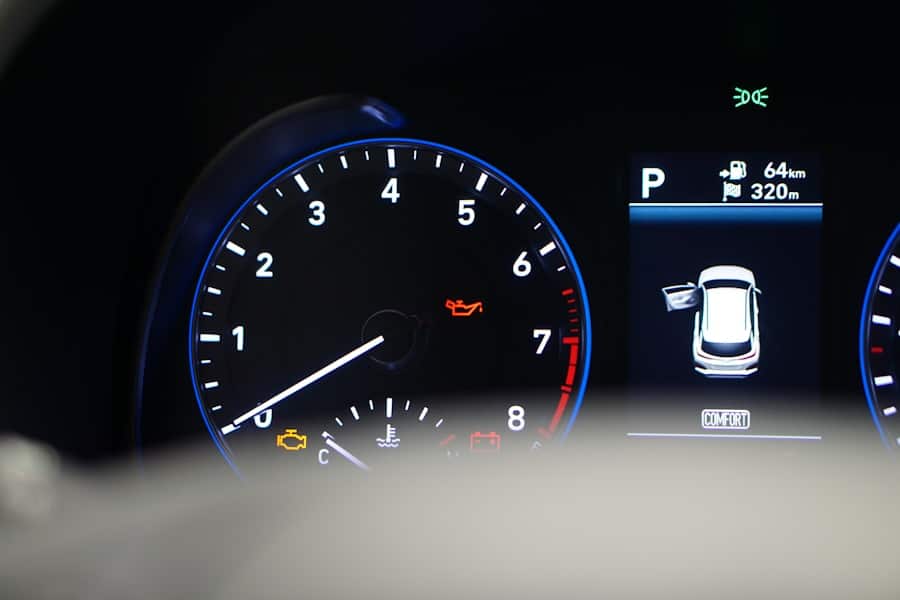
To fully appreciate the advancements in automotive technology, it’s essential to understand the Onboard Diagnostics (OBD) system. At its core, OBD is a computer-based system that monitors various components of your vehicle to ensure they are functioning correctly. When you start your car, the OBD system performs a series of checks on critical systems such as the engine, transmission, and emissions controls.
If it detects any irregularities, it triggers a warning light on your dashboard, alerting you to potential issues that require attention. As you explore the intricacies of the OBD system, you’ll find that it consists of several key components, including sensors, actuators, and a central processing unit. These elements work together to collect data and make real-time adjustments to optimize performance.
For instance, if your vehicle’s oxygen sensor detects an imbalance in the air-fuel mixture, the OBD system can adjust the fuel injection accordingly to maintain efficiency and reduce emissions. This level of monitoring not only enhances your vehicle’s performance but also contributes to environmental sustainability by minimizing harmful emissions.
Common Dashboard Warning Lights and Their Meanings
Navigating your vehicle’s dashboard can sometimes feel like deciphering a secret code. Each warning light serves a specific purpose, and understanding their meanings is crucial for maintaining your vehicle’s health. One of the most common warning lights is the check engine light, which can indicate a range of issues from a loose gas cap to more serious engine problems.
When this light illuminates, it’s essential to address it promptly to avoid further damage. Another important warning light is the oil pressure light. If this light comes on while you’re driving, it could signify low oil levels or a failing oil pump.
Ignoring this warning can lead to severe engine damage, so it’s vital to check your oil levels immediately. Additionally, the battery warning light indicates potential issues with your vehicle’s charging system. If this light appears, you should have your battery and alternator checked to ensure they are functioning correctly.
By familiarizing yourself with these common dashboard warning lights, you can take proactive steps to address any issues before they escalate.
Using Diagnostic Tools and Software for Auto Repairs
In today’s digital age, diagnostic tools and software have revolutionized the way auto repairs are conducted. As a vehicle owner, you now have access to advanced diagnostic equipment that can provide detailed insights into your car’s performance. These tools range from simple code readers that display trouble codes to sophisticated diagnostic scanners that can perform comprehensive system checks.
By utilizing these tools, you can save time and money on repairs by identifying issues before visiting a mechanic. When using diagnostic software, you’ll find that many programs offer user-friendly interfaces that guide you through the troubleshooting process. You can connect the diagnostic tool to your vehicle’s OBD-II port and retrieve valuable data about various systems.
This information can help you pinpoint problems more accurately and even assist in determining whether a repair is necessary or if it’s something you can handle yourself. Embracing these technological advancements not only empowers you as a driver but also enhances your overall understanding of your vehicle’s inner workings.
Interpreting Diagnostic Trouble Codes (DTCs)
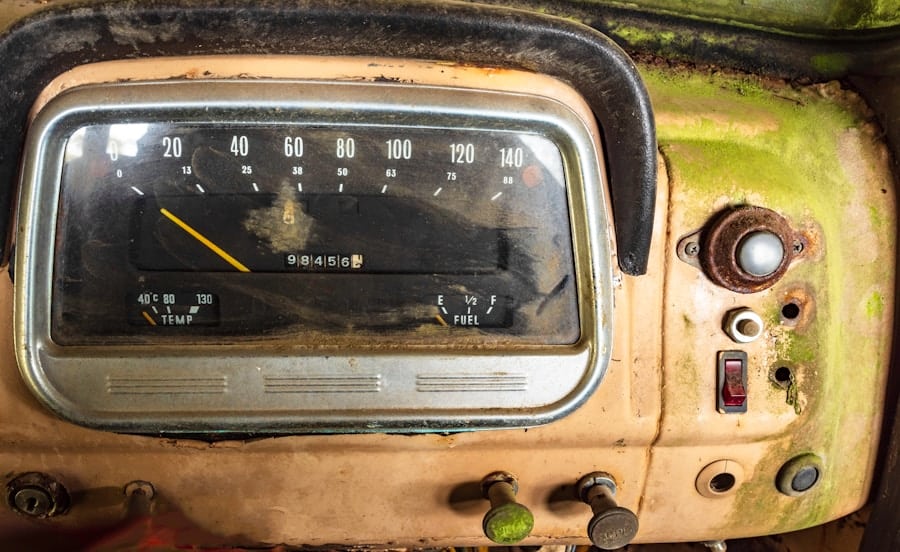
Understanding DTCs
For instance, if you encounter a code like P0301, it indicates a misfire in cylinder one of your engine. Understanding these codes can be incredibly beneficial when discussing repairs with a mechanic or when deciding whether to tackle the issue yourself.
Deciphering DTCs with Online Resources
Many online resources and databases provide detailed explanations of DTCs, helping you decipher what each code means and what steps may be necessary for resolution.
Taking an Active Role in Vehicle Maintenance
By becoming familiar with DTCs, you can take an active role in your vehicle’s maintenance and repairs.
The Importance of Regular Maintenance and Diagnostics
Regular maintenance is crucial for keeping your vehicle running smoothly and efficiently. As a responsible car owner, you should prioritize routine checks and services to prevent minor issues from escalating into major problems. Regular oil changes, tire rotations, and brake inspections are just a few examples of maintenance tasks that can significantly extend your vehicle’s lifespan.
In addition to routine maintenance, incorporating diagnostics into your regular schedule is equally important. By utilizing diagnostic tools periodically, you can catch potential issues early on before they lead to costly repairs or breakdowns. Many modern vehicles come equipped with built-in diagnostic systems that continuously monitor performance metrics.
By paying attention to these systems and addressing any warning lights promptly, you can ensure that your vehicle remains in optimal condition for years to come.
Benefits of Digital Dashboard Diagnostics for Auto Repairs
The advent of digital dashboard diagnostics has transformed the landscape of auto repairs in numerous ways. One significant benefit is the ability to access real-time data about your vehicle’s performance directly from your dashboard. This information allows you to monitor critical parameters such as fuel efficiency, engine temperature, and even tire pressure at a glance.
With this level of insight, you can make informed decisions about when to seek repairs or maintenance. Moreover, digital diagnostics streamline the repair process for mechanics as well. When you bring your vehicle in for service, technicians can quickly access diagnostic data from your car’s onboard system, reducing the time spent on troubleshooting.
This efficiency not only saves you money but also minimizes downtime for your vehicle. As technology continues to advance, digital dashboard diagnostics will likely become even more sophisticated, offering enhanced features that further simplify auto repairs.
Navigating the Future of Auto Repairs with Dashboard Diagnostics
As you look ahead to the future of auto repairs, it’s clear that dashboard diagnostics will play an increasingly vital role in shaping how we maintain our vehicles. With advancements in artificial intelligence and machine learning, we can expect diagnostic systems to become even more intuitive and predictive. Imagine a scenario where your car can anticipate maintenance needs based on driving habits and environmental conditions—this level of foresight could revolutionize how we approach vehicle care.
Additionally, as electric vehicles become more prevalent, dashboard diagnostics will need to adapt accordingly. The unique components and systems found in electric vehicles will require specialized diagnostic tools and software tailored to their needs. As a driver, staying informed about these changes will empower you to make educated decisions regarding your vehicle’s maintenance and repairs in an ever-evolving automotive landscape.
In conclusion, understanding dashboard diagnostics is essential for every modern driver. From recognizing warning lights to utilizing advanced diagnostic tools, being proactive about your vehicle’s health can save you time and money while ensuring a safer driving experience. As technology continues to evolve, embracing these advancements will only enhance your ability to navigate the complexities of auto repairs effectively.
If you are interested in learning more about auto body repair techniques, you may want to check out this article on unveiling the secrets of body fillers. This informative guide provides valuable insights into the different types of body fillers, their applications, and techniques for achieving professional results. It is a must-read for anyone looking to enhance their skills in the auto body repair industry.
FAQs
What is dashboard diagnostics in auto repairs?
Dashboard diagnostics in auto repairs refer to the process of using a vehicle’s onboard diagnostic system to identify and troubleshoot issues with the vehicle’s various systems and components. This is typically done using a diagnostic tool that connects to the vehicle’s onboard computer system.
How does dashboard diagnostics work?
Dashboard diagnostics work by accessing the vehicle’s onboard computer system, which monitors and controls various aspects of the vehicle’s performance. The diagnostic tool communicates with the onboard computer to retrieve error codes and other data that can help identify the source of any issues or malfunctions.
What are the benefits of using dashboard diagnostics for auto repairs?
Using dashboard diagnostics for auto repairs offers several benefits, including the ability to quickly and accurately identify issues with the vehicle, which can help save time and money on repairs. It also provides access to detailed diagnostic information that can help mechanics and technicians pinpoint the exact cause of a problem.
Can dashboard diagnostics be used for all types of vehicles?
Dashboard diagnostics can be used for most modern vehicles that are equipped with an onboard diagnostic system, which is typically standard in vehicles manufactured after 1996. However, the specific diagnostic tools and methods may vary depending on the make and model of the vehicle.
Is dashboard diagnostics a replacement for professional auto repair services?
While dashboard diagnostics can provide valuable information about a vehicle’s issues, it is not a replacement for professional auto repair services. A trained mechanic or technician is still needed to interpret the diagnostic data and perform the necessary repairs or maintenance on the vehicle.





