
When it comes to vehicle ownership, engine maintenance stands as one of the most critical aspects you should prioritize. Your engine is the heart of your vehicle, and just like any vital organ, it requires regular care and attention to function optimally. Neglecting engine maintenance can lead to a cascade of problems, ranging from decreased performance to catastrophic failures that could leave you stranded or facing expensive repairs.
By investing time and resources into maintaining your engine, you not only enhance your vehicle’s longevity but also ensure a safer driving experience. Regular engine maintenance is not merely about changing the oil or replacing filters; it encompasses a comprehensive approach to keeping your vehicle in peak condition. This includes monitoring fluid levels, checking belts and hoses, and ensuring that all components are functioning as they should.
By staying proactive with these tasks, you can catch potential issues before they escalate into major problems. This foresight can save you money in the long run and provide peace of mind as you navigate the roads.
- Regular engine maintenance is crucial for the longevity and performance of your vehicle.
- A well-maintained engine should produce smooth and consistent sounds during operation.
- Common engine noises like knocking, tapping, or hissing can indicate issues such as low oil levels, worn out parts, or leaks.
- A healthy engine produces a symphony of sounds including a smooth hum and occasional gentle ticking.
- Unusual engine noises should be promptly identified and addressed to prevent further damage and costly repairs.
Understanding the Sounds of a Well-maintained Engine
A well-maintained engine often communicates its health through a symphony of sounds that you can learn to recognize. When your engine is in good condition, it typically operates smoothly and quietly, producing a consistent hum that signifies everything is functioning as it should. This harmonious sound is a reassuring indicator that your vehicle is ready for the road ahead.
By familiarizing yourself with these normal sounds, you can develop an ear for what constitutes a healthy engine. Listening closely to your engine can also help you identify when something is amiss. A well-tuned engine will emit sounds that are steady and predictable, allowing you to gauge its performance over time.
As you drive, pay attention to how your engine sounds during different conditions—idling, accelerating, or cruising at a steady speed. This awareness will empower you to detect any deviations from the norm, enabling you to take action before minor issues escalate into significant concerns.
Common Engine Noises and Their Causes
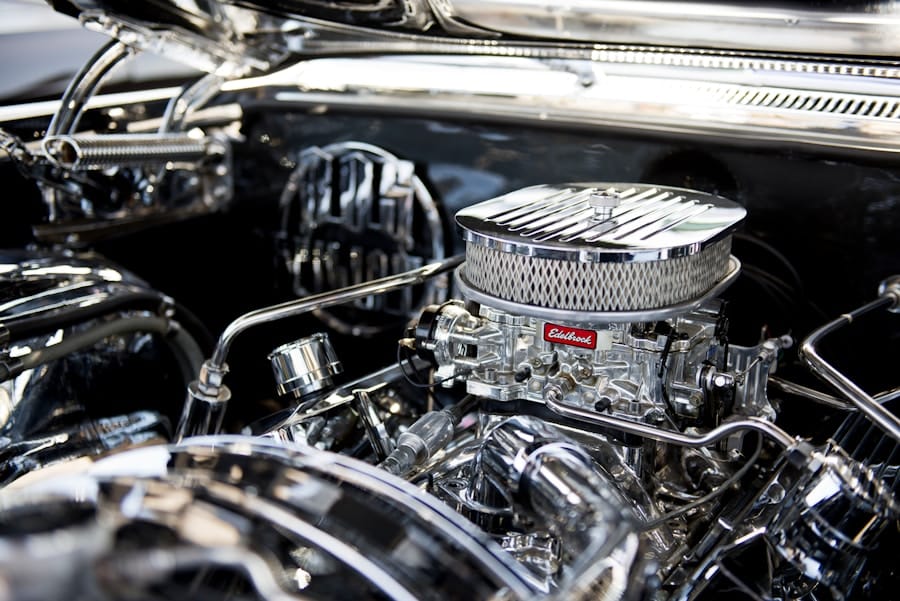
As you become more attuned to your engine’s sounds, you’ll likely encounter various noises that may indicate underlying issues. One common sound is a knocking or pinging noise, which could suggest problems with the fuel mixture or ignition timing. If you hear this sound, it’s essential to address it promptly, as it can lead to severe engine damage if left unchecked.
Similarly, a hissing noise may indicate a coolant leak or an issue with the exhaust system, both of which require immediate attention. Another noise to be aware of is a high-pitched squeal, often caused by worn-out serpentine belts or pulleys. This sound can be particularly alarming, but it’s crucial to remember that it’s often a sign of a relatively simple fix.
Ignoring this noise could lead to more significant problems down the line, so it’s best to investigate as soon as possible. By understanding these common engine noises and their potential causes, you can take proactive steps to maintain your vehicle’s health.
The Symphony of Sounds in a Healthy Engine
In a healthy engine, the sounds blend together like a well-orchestrated symphony. Each component plays its part in harmony, creating a soothing backdrop as you drive. The gentle hum of the engine at idle, the soft roar during acceleration, and the rhythmic purring at cruising speed all contribute to this auditory experience.
When everything is functioning correctly, these sounds provide reassurance that your vehicle is operating efficiently. However, this symphony can quickly turn discordant if something goes wrong. A sudden change in pitch or volume can signal an issue that needs immediate attention.
For instance, if you notice a sudden increase in engine noise or an unusual rattling sound, it’s essential to investigate further. By being attentive to these changes in sound, you can maintain the harmony of your engine and ensure that it continues to perform at its best.
How to Identify and Address Unusual Engine Noises
Identifying unusual engine noises requires both keen observation and a willingness to act. When you hear something out of the ordinary, take note of when it occurs—whether during acceleration, deceleration, or idling—and try to pinpoint its source. This information will be invaluable when discussing the issue with a mechanic or conducting your own investigation.
Remember that early detection is key; addressing unusual noises promptly can prevent more severe damage and costly repairs. Once you’ve identified an unusual noise, it’s time to take action. Depending on your level of expertise, you may choose to investigate further yourself or consult with a professional mechanic.
If you’re comfortable working on your vehicle, start by checking for loose components or worn-out parts that could be causing the noise. If you’re unsure or if the problem seems complex, don’t hesitate to seek professional help. A qualified mechanic can diagnose the issue accurately and recommend appropriate solutions to restore your engine’s health.
The Role of Regular Inspections and Tune-ups
What to Expect During an Inspection
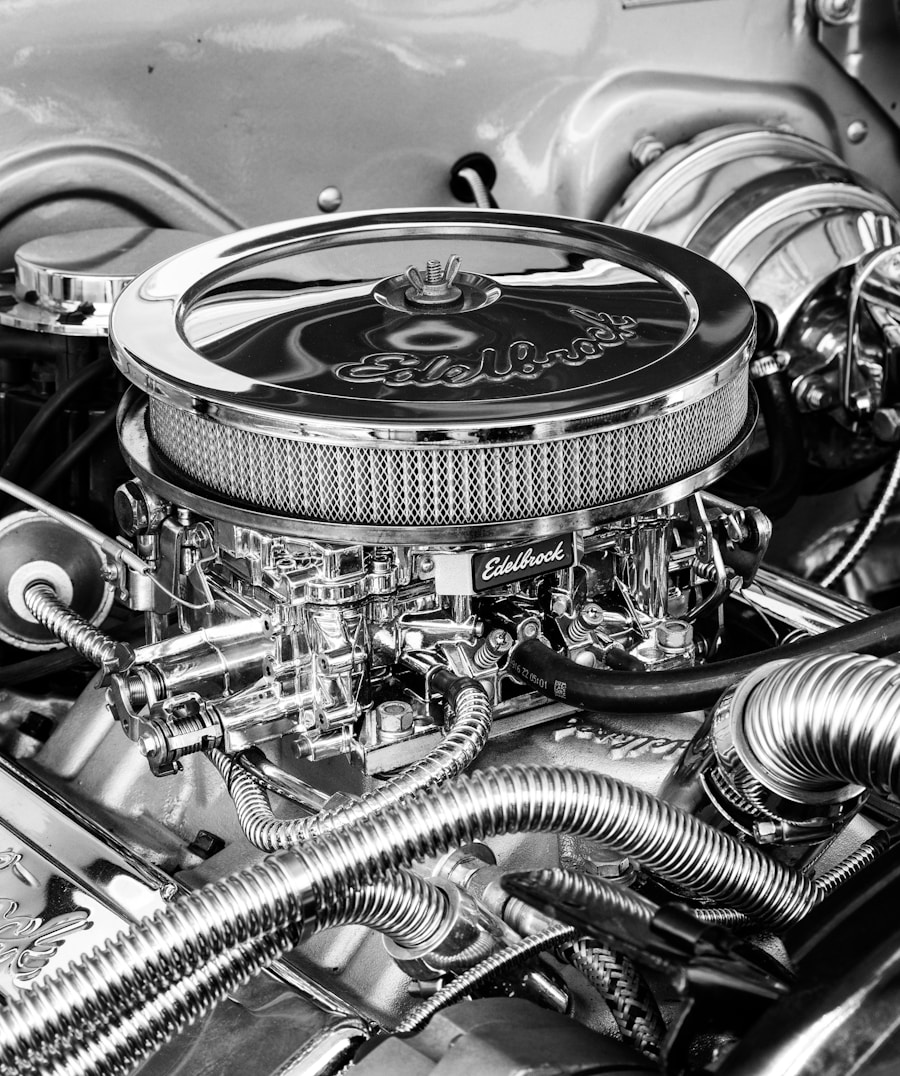
During an inspection, mechanics will typically evaluate the oil level and quality, check for leaks, inspect belts and hoses for wear, and assess the overall health of the engine. This comprehensive evaluation helps to identify areas that require attention, ensuring that your engine runs smoothly and efficiently.
The Importance of Tune-Ups
Tune-ups are equally important as they involve adjusting and replacing components that may have worn out over time. This process often includes changing spark plugs, air filters, and fuel filters—elements that significantly impact your engine’s efficiency and performance. By investing in regular tune-ups, you’re not only enhancing your vehicle’s reliability but also improving fuel efficiency and reducing emissions.
Long-Term Benefits of Regular Maintenance
By adhering to a regular inspection and tune-up schedule, you can ensure that your engine remains in optimal condition for years to come. This proactive approach not only saves you money on costly repairs but also reduces your environmental footprint, making it a worthwhile investment for any vehicle owner.
Tips for Maintaining a Well-tuned Engine
Maintaining a well-tuned engine requires diligence and attention to detail. One of the most effective tips is to adhere to your vehicle’s manufacturer-recommended maintenance schedule. This schedule outlines essential services such as oil changes, filter replacements, and fluid checks at specific intervals based on mileage or time.
Following this guide will help ensure that your engine receives the care it needs at the right moments. Additionally, consider keeping a maintenance log where you record all services performed on your vehicle. This log not only helps you track when services are due but also provides valuable information if you ever decide to sell your car.
Another tip is to use high-quality fuel and oil that meet or exceed manufacturer specifications; this choice can significantly impact your engine’s performance and longevity. Lastly, don’t underestimate the importance of driving habits—gentle acceleration and deceleration can reduce wear on your engine components over time.
The Benefits of Keeping Your Engine in Top Condition
Keeping your engine in top condition offers numerous benefits that extend beyond mere performance metrics. First and foremost, a well-maintained engine enhances safety on the road by reducing the likelihood of breakdowns or malfunctions while driving. Knowing that your vehicle is reliable allows you to focus on enjoying your journey rather than worrying about potential issues.
Moreover, maintaining your engine contributes to better fuel efficiency, which translates into cost savings over time. A well-tuned engine burns fuel more efficiently, allowing you to travel further on each tank of gas. Additionally, regular maintenance can help preserve your vehicle’s resale value; prospective buyers are often willing to pay more for a car with documented maintenance history and a reputation for reliability.
Ultimately, investing in your engine’s health pays dividends in safety, savings, and peace of mind as you navigate life’s journeys behind the wheel.
If you’re interested in learning more about auto body repair, you may want to check out this article on busting the myths of auto body repair: fact vs fiction. This article provides valuable insights into common misconceptions surrounding auto body repair and sets the record straight on what to expect. It’s a great resource for anyone looking to educate themselves on the topic and make informed decisions about their vehicle maintenance.
FAQs
What is the importance of maintaining engine rhythms?
Maintaining engine rhythms is important because it ensures that the engine is running smoothly and efficiently. Proper maintenance can prevent costly repairs and extend the lifespan of the engine.
What are the common signs of engine rhythm problems?
Common signs of engine rhythm problems include rough idling, misfiring, stalling, and decreased fuel efficiency. Unusual noises such as knocking or tapping can also indicate rhythm issues.
How can engine rhythms be repaired?
Engine rhythms can be repaired by addressing the underlying issues causing the irregularities. This may involve replacing spark plugs, cleaning fuel injectors, adjusting ignition timing, or addressing any mechanical issues within the engine.
What are the benefits of a well-maintained engine rhythm?
A well-maintained engine rhythm can lead to improved fuel efficiency, smoother performance, and reduced emissions. It can also prevent more serious engine damage and costly repairs in the long run.
How often should engine rhythms be checked and maintained?
It is recommended to follow the manufacturer’s guidelines for engine maintenance, which typically includes regular inspections and tune-ups every 30,000 miles or so. However, it’s important to also pay attention to any signs of rhythm irregularities and address them promptly.





