When it comes to car troubles, understanding the language of your vehicle can be a game-changer. Cars, much like humans, communicate their needs and issues through various signs and symptoms. As a car owner, you must learn to interpret these signals effectively.
From strange noises to warning lights on the dashboard, each indication serves as a clue to what might be going wrong under the hood. By paying attention to these cues, you can often catch problems early, potentially saving yourself from costly repairs down the line. Moreover, being attuned to your vehicle’s language fosters a deeper connection with your car.
You begin to recognize the subtle changes in performance or behavior that may indicate an underlying issue. This awareness not only empowers you as a driver but also enhances your ability to discuss problems with a mechanic. When you can articulate what your car is experiencing, you facilitate a more productive dialogue, ensuring that your vehicle receives the attention it needs.
- Understanding the language of car troubles is essential for effective communication with mechanics and diagnosing issues.
- Common car troubles and their symptoms include strange noises, vibrations, warning lights, and unusual smells.
- Expert repairs are important to ensure that car troubles are properly diagnosed and fixed, preventing further damage.
- Finding the right mechanic for your car involves researching their experience, certifications, and customer reviews.
- Decoding diagnostic codes and error messages can provide valuable insight into the specific issues affecting your car.
Common Car Troubles and Their Symptoms
As you navigate the world of car ownership, it’s essential to familiarize yourself with common car troubles and their symptoms. One of the most prevalent issues is engine trouble, which can manifest in various ways. You might notice a decrease in power, unusual vibrations, or even strange smells emanating from the engine compartment.
These signs could indicate anything from a simple spark plug issue to more severe problems like a failing fuel pump or a malfunctioning ignition system. Another frequent concern is brake trouble. If you hear squeaking or grinding noises when applying the brakes, or if the pedal feels spongy or unresponsive, it’s crucial to address these symptoms immediately.
Ignoring brake issues can lead to dangerous situations on the road. Additionally, transmission problems can present themselves through slipping gears or difficulty shifting. Recognizing these symptoms early can help you avoid more extensive damage and ensure your safety while driving.
The Importance of Expert Repairs

When faced with car troubles, seeking expert repairs is paramount. While it may be tempting to attempt DIY fixes or rely on quick-fix solutions, professional mechanics possess the knowledge and experience necessary to diagnose and resolve issues accurately. They have access to specialized tools and equipment that allow them to perform thorough inspections and repairs that an average car owner may not be equipped to handle.
Moreover, expert repairs often come with warranties or guarantees, providing you with peace of mind. Knowing that your vehicle has been serviced by a qualified professional means you can trust that the work has been done correctly. This assurance is invaluable, especially when it comes to critical components like brakes or steering systems, where improper repairs could lead to serious safety hazards.
Finding the Right Mechanic for Your Car
Finding the right mechanic for your car is a crucial step in ensuring its longevity and performance. Start by seeking recommendations from friends, family, or online reviews. A mechanic with a solid reputation is more likely to provide reliable service and honest assessments of your vehicle’s needs.
Once you’ve narrowed down your options, consider visiting the shop in person. This allows you to gauge the cleanliness and organization of the facility, as well as the professionalism of the staff. Additionally, don’t hesitate to ask questions about their experience and certifications.
A good mechanic should be willing to explain their qualifications and provide insight into their repair processes. Establishing a rapport with your mechanic can also make a significant difference; feeling comfortable discussing your car’s issues will lead to better communication and trust in their recommendations.
Decoding Diagnostic Codes and Error Messages
In today’s technologically advanced vehicles, diagnostic codes and error messages play a vital role in identifying issues. When your check engine light illuminates, it’s not just a random occurrence; it’s your car’s way of alerting you that something requires attention. By using an OBD-II scanner, you can retrieve these codes and gain insight into what might be wrong with your vehicle.
Understanding these codes can empower you as a car owner. While some codes may indicate minor issues that can be easily resolved, others may point to more significant problems requiring immediate attention. Familiarizing yourself with common diagnostic codes can help you make informed decisions about whether to attempt a fix yourself or seek professional assistance.
Preventative Maintenance to Avoid Future Troubles
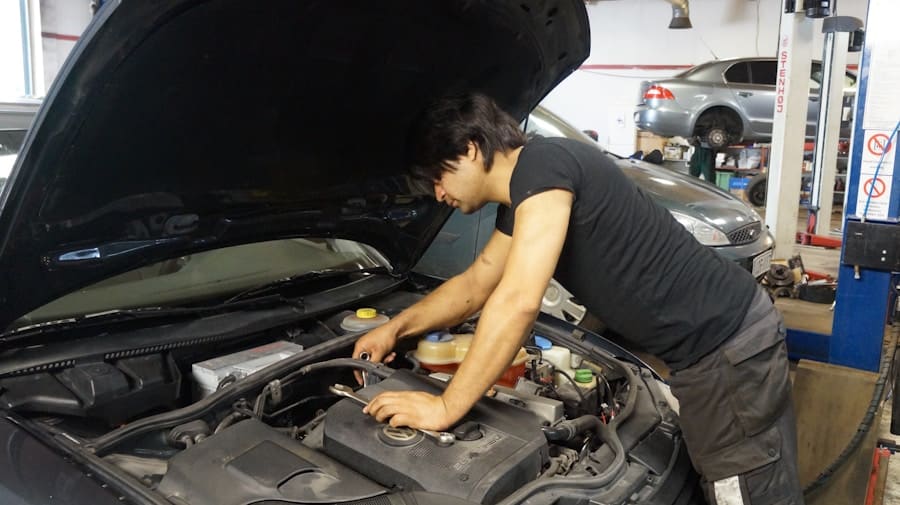
Preventative maintenance is one of the most effective strategies for avoiding future car troubles. Regularly scheduled maintenance tasks—such as oil changes, tire rotations, and fluid checks—can significantly extend the life of your vehicle and enhance its performance. By adhering to your manufacturer’s recommended maintenance schedule, you can catch potential issues before they escalate into costly repairs.
Additionally, preventative maintenance allows you to maintain optimal fuel efficiency and overall driving comfort. Simple tasks like replacing air filters or checking tire pressure can make a noticeable difference in how your car operates. By investing time and effort into regular upkeep, you not only protect your investment but also ensure a safer driving experience for yourself and others on the road.
The Benefits of Regular Car Inspections and Tune-ups
Regular car inspections and tune-ups are essential components of responsible vehicle ownership. These services provide an opportunity for mechanics to assess your car’s overall condition and identify any potential issues before they become serious problems. During an inspection, various systems—such as brakes, suspension, and exhaust—are thoroughly examined, ensuring that everything is functioning as it should.
Tune-ups typically involve replacing worn-out parts like spark plugs and filters while also adjusting engine settings for optimal performance. This proactive approach not only enhances your vehicle’s efficiency but also contributes to better fuel economy. By committing to regular inspections and tune-ups, you can enjoy peace of mind knowing that your car is in good shape and ready for whatever the road may throw at it.
How Expert Repairs Can Extend the Lifespan of Your Car
Investing in expert repairs can significantly extend the lifespan of your vehicle. When you entrust your car to skilled mechanics who understand its intricacies, you’re ensuring that any issues are addressed promptly and correctly. This attention to detail prevents minor problems from snowballing into major repairs that could compromise your vehicle’s integrity.
Furthermore, expert repairs often involve using high-quality parts and materials that are designed for longevity. Cheaper alternatives may save you money in the short term but could lead to more frequent breakdowns or replacements down the line. By prioritizing quality repairs from experienced professionals, you’re making a long-term investment in your vehicle’s health and performance.
In conclusion, understanding the language of car troubles is essential for every vehicle owner. By recognizing common symptoms, seeking expert repairs, finding the right mechanic, decoding diagnostic codes, practicing preventative maintenance, and committing to regular inspections and tune-ups, you can ensure that your car remains reliable for years to come. Ultimately, taking these steps not only enhances your driving experience but also protects your investment in one of your most valuable assets—your vehicle.
If you’re interested in learning more about how to choose a trustworthy auto repair shop, check out this informative article on making informed choices for choosing a trustworthy auto repair shop. This article provides valuable tips and advice on what to look for when selecting a repair shop for your vehicle. It’s a great resource to complement the insights provided in “Code Breakers: Decoding the Language of Car Troubles with Expert Repairs.”
FAQs
What are some common car troubles that require expert repairs?
Some common car troubles that require expert repairs include engine issues, transmission problems, electrical system malfunctions, brake and suspension issues, and exhaust system problems.
How can expert repairs help in decoding the language of car troubles?
Expert repairs can help in decoding the language of car troubles by diagnosing the root cause of the issue, providing accurate solutions, and ensuring that the vehicle is restored to its optimal working condition.
Why is it important to seek expert repairs for car troubles?
It is important to seek expert repairs for car troubles because trained professionals have the knowledge, skills, and tools to accurately diagnose and fix complex automotive issues, ensuring the safety and reliability of the vehicle.
What are the benefits of seeking expert repairs for car troubles?
The benefits of seeking expert repairs for car troubles include ensuring the longevity of the vehicle, maintaining its resale value, and avoiding potential safety hazards associated with unresolved automotive issues.
How can car owners find reliable experts for car repairs?
Car owners can find reliable experts for car repairs by asking for recommendations from friends and family, reading online reviews, checking the credentials and certifications of the repair shop, and inquiring about the experience and expertise of the technicians.