
As we navigate the world of automotive maintenance, we often find ourselves attuned to the sounds our vehicles make. Strange noises can be one of the first indicators that something is amiss under the hood. Whether it’s a persistent grinding, a high-pitched squeal, or a low rumble, these sounds can signal a variety of issues that require our immediate attention.
For instance, a grinding noise when we apply the brakes might suggest worn brake pads, while a squealing sound could indicate that our serpentine belt is fraying or loose. Ignoring these auditory warnings can lead to more significant problems down the line, potentially costing us more in repairs. Moreover, we should also consider the context in which these noises occur.
A sound that is present only during acceleration may point to issues with the transmission or engine components, while noises that arise when turning could indicate problems with the power steering system. By paying close attention to when and how these strange noises manifest, we can better diagnose the underlying issues and take proactive steps to address them. Regular maintenance checks and being vigilant about our vehicle’s sounds can save us from unexpected breakdowns and costly repairs.
- Strange noises can indicate issues with the engine, brakes, or suspension and should be checked by a mechanic.
- Warning lights on the dashboard should never be ignored and should be addressed as soon as possible to prevent further damage.
- Decreased performance, such as difficulty accelerating or a rough ride, could be a sign of engine or transmission problems.
- Leaking fluids, such as oil, coolant, or brake fluid, can indicate a serious issue and should be inspected immediately.
- Overheating can lead to major engine damage and should be addressed by pulling over and turning off the engine as soon as possible.
Warning Lights
In our modern vehicles, warning lights serve as crucial indicators of potential problems. These lights, often displayed on our dashboard, can range from benign to urgent, and understanding their meanings is essential for maintaining our vehicle’s health. When a warning light illuminates, it’s our responsibility to investigate the issue promptly.
For example, a check engine light could signify anything from a loose gas cap to a more serious engine malfunction. Ignoring this light could lead to severe engine damage or decreased fuel efficiency. Additionally, we should not overlook the importance of regular diagnostics.
Many vehicles today come equipped with onboard diagnostic systems that can provide us with valuable information about what might be wrong. By utilizing these systems and consulting our vehicle’s manual, we can decipher the meaning behind each warning light and take appropriate action. Whether it involves a simple fix or a trip to the mechanic, addressing these warning lights promptly can help us avoid more significant issues and ensure our vehicle remains in optimal condition.
Decreased Performance
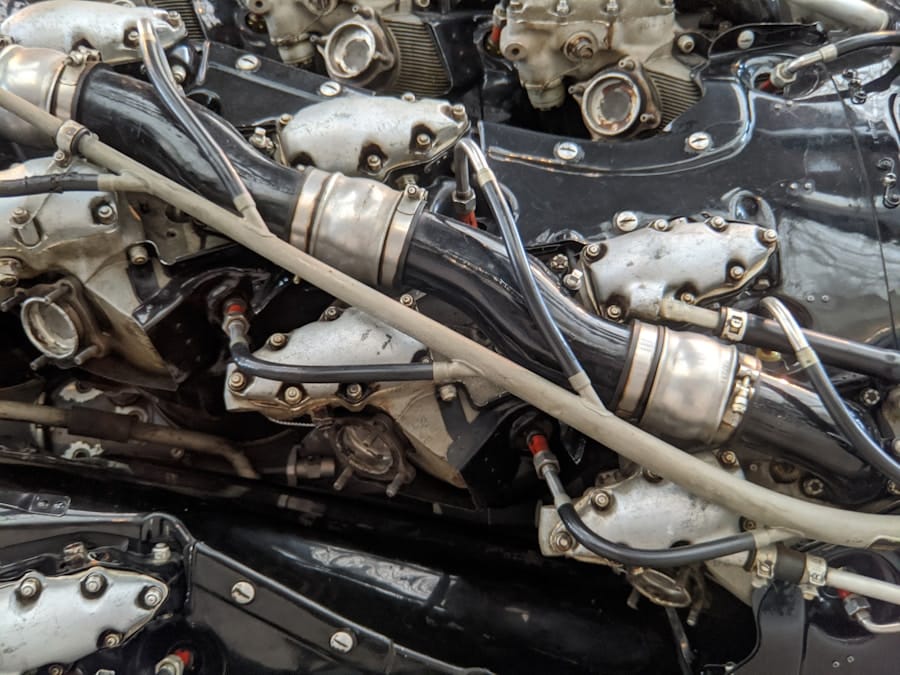
As we drive our vehicles day in and day out, we become accustomed to their performance levels. When we notice a decrease in performance—such as sluggish acceleration, poor fuel economy, or difficulty maintaining speed—it can be a cause for concern. This decline in performance may stem from various factors, including issues with the fuel system, air intake, or even the exhaust system.
For instance, a clogged fuel filter can restrict fuel flow to the engine, resulting in reduced power and efficiency. Furthermore, we should also consider how our driving habits may contribute to decreased performance. Frequent short trips can prevent our engines from reaching optimal operating temperatures, leading to inefficient combustion and increased wear over time.
By being mindful of our driving patterns and addressing any performance issues as they arise, we can help maintain our vehicle’s efficiency and longevity. Regular maintenance, such as oil changes and air filter replacements, plays a vital role in ensuring that our vehicles continue to perform at their best.
Leaking Fluids
Fluid leaks are another common issue that we may encounter as vehicle owners. Whether it’s oil, coolant, transmission fluid, or brake fluid, any leak should be taken seriously. Not only can leaking fluids lead to decreased performance and potential damage to our vehicles, but they can also pose safety hazards on the road.
For example, leaking brake fluid can compromise our braking system, while coolant leaks can lead to overheating and engine failure. To identify leaks early on, we should regularly inspect the ground where we park our vehicles for any signs of fluid accumulation. Different fluids have distinct colors and odors; for instance, engine oil is typically brown or black and has a greasy texture, while coolant is often bright green or orange and has a sweet smell.
By familiarizing ourselves with these characteristics, we can quickly identify potential leaks and take action before they escalate into more significant problems. Addressing fluid leaks promptly not only protects our vehicles but also contributes to safer driving conditions for everyone on the road.
Overheating
Overheating is a critical issue that we must be vigilant about as vehicle owners. When our engine temperature rises beyond normal levels, it can lead to severe damage if not addressed immediately. Common causes of overheating include low coolant levels, a malfunctioning thermostat, or a failing water pump.
If we notice the temperature gauge creeping into the red zone or see steam rising from under the hood, it’s essential to pull over safely and turn off the engine to prevent further damage. In addition to monitoring the temperature gauge, we should also be proactive in maintaining our cooling system. Regularly checking coolant levels and ensuring that hoses are in good condition can help prevent overheating incidents before they occur.
If we find ourselves frequently dealing with overheating issues despite proper maintenance, it may be time to consult a professional mechanic for a thorough inspection of the cooling system components. By staying informed and proactive about overheating concerns, we can protect our engines and ensure they continue to run smoothly.
Unusual Smells
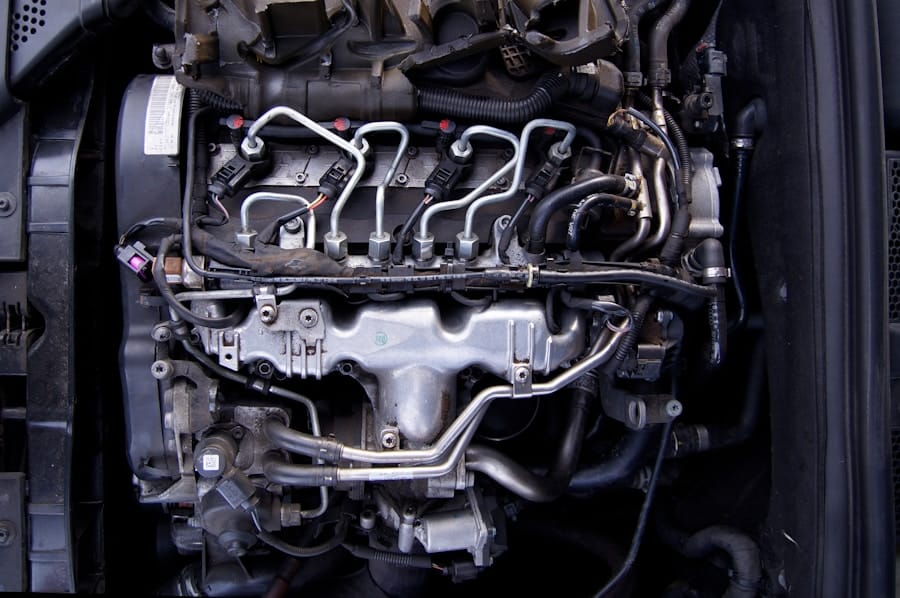
As we drive our vehicles, we often encounter various smells that may indicate underlying issues. Unusual odors should never be ignored; they can provide valuable clues about what might be going wrong under the hood. For instance, a burning smell could suggest that oil is leaking onto hot engine parts or that the brakes are overheating due to excessive friction.
Similarly, a sweet smell might indicate coolant leakage, which could lead to overheating if not addressed promptly. We should also be aware of smells that may arise from the cabin area of our vehicles. A musty odor could signal mold or mildew growth in the air conditioning system, while a strong gasoline smell might indicate a fuel leak that requires immediate attention.
By being attentive to these unusual smells and taking action when necessary, we can prevent minor issues from escalating into major problems. Regular inspections and maintenance can help us keep our vehicles smelling fresh and functioning optimally.
Rough Idling
Rough idling is another symptom that can indicate underlying issues with our vehicles. When we notice that our engine shakes or vibrates excessively while idling at a stoplight or in traffic, it may be time to investigate further. This roughness could stem from various factors such as dirty fuel injectors, worn spark plugs, or even issues with the ignition system.
Addressing these problems early on is crucial; otherwise, they could lead to more significant performance issues down the line. To mitigate rough idling concerns, regular maintenance is key. We should ensure that our spark plugs are replaced according to manufacturer recommendations and that fuel injectors are cleaned periodically to maintain optimal performance.
Additionally, if we experience persistent rough idling despite proper maintenance practices, seeking professional assistance may be necessary to diagnose any deeper issues within the engine or fuel system. By staying proactive about rough idling symptoms, we can help ensure a smoother driving experience.
Smoke from the Exhaust
Finally, smoke from the exhaust is one of the most alarming signs that something is wrong with our vehicle. The color of the smoke can provide critical information about what might be happening under the hood. For example, blue smoke typically indicates that oil is burning in the combustion chamber due to worn piston rings or valve seals.
White smoke may suggest coolant is leaking into the engine, which could lead to severe overheating and damage if not addressed promptly. Black smoke often points to an overly rich fuel mixture being burned in the engine. When we notice smoke emanating from our exhaust pipes, it’s essential to take immediate action by pulling over safely and assessing the situation.
Continuing to drive with smoke coming from the exhaust can exacerbate existing problems and lead to costly repairs down the line. Consulting with a qualified mechanic for diagnosis and repair is crucial in these situations; they can help us identify the root cause of the smoke and recommend appropriate solutions. By being vigilant about exhaust smoke and addressing it promptly, we can protect our vehicles from further damage and ensure they remain safe for driving.
In conclusion, as vehicle owners, we must remain vigilant about various signs that indicate potential issues with our cars. From strange noises and warning lights to decreased performance and leaking fluids, each symptom serves as a crucial reminder of the importance of regular maintenance and prompt attention to problems as they arise. By staying informed about these indicators—such as overheating concerns or unusual smells—we can take proactive steps to ensure our vehicles remain safe and reliable on the road for years to come.
If you are experiencing engine trouble, it is important to address it immediately to prevent further damage to your vehicle. In addition to engine issues, it is also crucial to consider the best auto body repair shops in your area. A related article on the best auto body repair shops in Milwaukee, Wisconsin can provide valuable information on where to take your car for quality repairs. It is also important to consider warranty and insurance considerations when choosing an auto body repair shop, as discussed in another article on warranty and insurance considerations. Whether you are in Milwaukee, Wisconsin, or New Orleans, Louisiana, finding the best auto body repair shop is essential for keeping your vehicle in top condition.
FAQs
What are the common signs of engine trouble?
Some common signs of engine trouble include strange noises such as knocking or tapping, a decrease in fuel efficiency, a rough idle, a check engine light that is illuminated, and visible leaks or smoke coming from the engine.
What are the signs that indicate immediate attention is required for engine trouble?
If you experience sudden loss of power, the engine overheats, the oil pressure warning light comes on, or the engine starts to misfire, it is important to seek immediate attention for your engine.
Why is it important to address engine trouble promptly?
Addressing engine trouble promptly is important to prevent further damage to the engine, avoid potential safety hazards, and maintain the overall performance and longevity of the vehicle.
What should I do if I notice signs of engine trouble?
If you notice any signs of engine trouble, it is important to have your vehicle inspected by a qualified mechanic as soon as possible to diagnose and address the issue. Ignoring engine trouble can lead to more costly repairs in the future.





