
As we navigate through the changing seasons, it becomes increasingly clear that our vehicles require more than just the occasional fill-up or wash. Seasonal car maintenance is essential for ensuring that our cars remain reliable and safe throughout the year. Each season brings its own set of challenges and conditions that can affect our vehicles, from icy roads in winter to the scorching sun in summer.
By understanding the specific needs of our cars during each season, we can take proactive steps to keep them in optimal condition. We often overlook the importance of seasonal maintenance, but it plays a crucial role in extending the lifespan of our vehicles. Regular checks and repairs not only enhance performance but also improve safety on the road.
By adopting a seasonal approach to car care, we can address potential issues before they escalate into costly repairs. This article will guide us through the essential maintenance tasks we should undertake as the seasons change, ensuring that our vehicles are always ready for whatever the weather may bring.
- Seasonal car maintenance is essential for keeping your vehicle in top condition throughout the year.
- In winter, focus on essential repairs and maintenance such as checking the battery, antifreeze, and tire pressure.
- Spring is the time to prepare your car for warmer weather by checking the air conditioning, coolant levels, and windshield wipers.
- Protect your car from heat and sun damage in summer by inspecting the cooling system, air filters, and tires.
- As fall approaches, get your car ready for colder temperatures by checking the heater, defroster, and ensuring the battery is in good condition.
Winter: Essential Car Repairs and Maintenance
As winter approaches, we must prepare our vehicles for the harsh conditions that come with it. Cold temperatures can take a toll on our cars, affecting everything from battery performance to tire traction. One of the first steps we should take is to check our battery.
Cold weather can reduce a battery’s capacity, making it more prone to failure. We should ensure that our battery terminals are clean and free of corrosion, and if our battery is more than three years old, it might be wise to have it tested or replaced. Another critical aspect of winter maintenance is ensuring that our tires are equipped for icy and snowy conditions.
We should consider switching to winter tires, which are specifically designed to provide better traction in cold weather. Additionally, checking tire pressure is essential, as cold air can cause tire pressure to drop. Maintaining proper tire pressure not only enhances safety but also improves fuel efficiency.
We should also inspect our windshield wipers and fluid levels, as visibility is paramount during winter storms. Replacing worn wiper blades and using antifreeze windshield washer fluid can make a significant difference in our ability to see clearly.
Spring: Preparing Your Car for Warmer Weather
As winter fades away and spring arrives, it’s time for us to shift our focus to preparing our vehicles for warmer weather. The transition from cold to warm can be a shock for our cars, and we need to ensure they are ready for the change. One of the first tasks we should tackle is an oil change.
The cold months may have caused our oil to thicken, so switching to a lighter oil can help our engine run more smoothly as temperatures rise. In addition to an oil change, we should also inspect our cooling system. As temperatures increase, our engines will work harder, making it crucial to ensure that the coolant levels are adequate and that there are no leaks in the system.
Flushing the radiator and replacing old coolant can prevent overheating and prolong the life of our engine. Furthermore, we should take this opportunity to check our air conditioning system. After months of inactivity, we want to ensure that it’s functioning properly before the heat of summer sets in.
Summer: Protecting Your Car from Heat and Sun Damage
Summer brings with it long days filled with sunshine, but this can also mean potential damage to our vehicles if we’re not careful. The intense heat can cause various issues, from fading paint to overheating engines. One of the most effective ways we can protect our cars during this season is by regularly washing and waxing them.
A good wax coat acts as a barrier against UV rays, helping to preserve the paint and finish of our vehicles. Moreover, we should pay close attention to our tires during the summer months. The heat can cause tire pressure to rise, leading to an increased risk of blowouts if they are overinflated.
Regularly checking tire pressure and ensuring that they are properly inflated according to manufacturer specifications is essential for safe driving. Additionally, we should inspect our tires for any signs of wear or damage, as summer road trips can put extra strain on them.
Fall: Getting Your Car Ready for Colder Temperatures
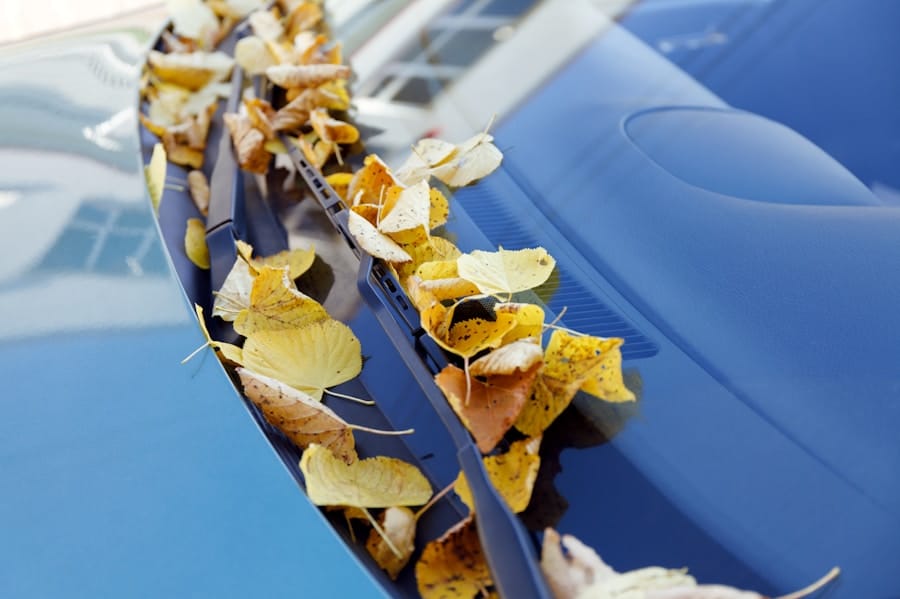
As autumn rolls in and temperatures begin to drop, it’s time for us to prepare our vehicles for the impending winter months. One of the first things we should do is check our heating system. Ensuring that our heater is functioning properly will not only keep us comfortable during chilly drives but also help defrost windows when necessary.
We should also inspect the defroster and ensure that all vents are clear and operational. Another important task during fall maintenance is checking our lights. As daylight hours decrease, having fully functioning headlights, taillights, and turn signals becomes crucial for safety on the road.
We should replace any burnt-out bulbs and clean the lenses to ensure maximum visibility. Additionally, we should consider having our brakes inspected as well; with wet leaves on the road and potential icy patches ahead, having reliable brakes is essential for safe driving.
Seasonal Tire Maintenance
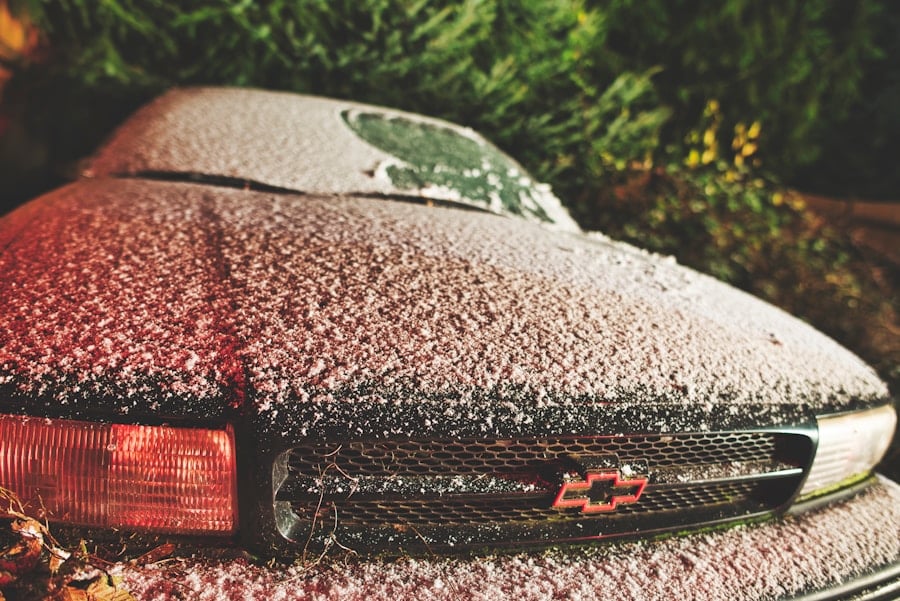
Tire maintenance is a year-round responsibility, but it takes on added significance as seasons change. Each season presents unique challenges that can affect tire performance and safety. In winter, for instance, we need to ensure that we have adequate tread depth for traction on snow and ice.
Switching to winter tires can provide us with better grip in these conditions, but we must also remember to check tire pressure regularly since cold temperatures can cause it to drop. As spring arrives, we should transition back to all-season or summer tires if we had switched to winter tires. This change not only improves handling but also enhances fuel efficiency as temperatures rise.
During summer, maintaining proper tire pressure becomes even more critical due to heat expansion. We should also keep an eye out for any signs of wear or damage caused by hot pavement or long road trips. Finally, as fall approaches, we must prepare for potential rain and slippery conditions by ensuring that our tires have sufficient tread depth and are free from any defects.
Seasonal Fluid Checks and Replacements
Fluid checks are an integral part of seasonal car maintenance that often goes unnoticed until something goes wrong. Each season brings different demands on our vehicle’s fluids, making regular checks essential for optimal performance. In winter, we need to ensure that our antifreeze levels are adequate to prevent freezing in cold temperatures.
Additionally, checking the oil level is crucial since cold weather can thicken oil and affect engine performance. As spring arrives, we should focus on checking other vital fluids such as brake fluid, transmission fluid, and power steering fluid. These fluids play a significant role in ensuring that our vehicle operates smoothly as temperatures rise.
During summer months, regular checks of coolant levels become paramount; overheating engines can lead to severe damage if not addressed promptly. Finally, as fall approaches, we should prepare for winter by ensuring that all fluids are topped off and in good condition, setting us up for a safe driving experience in colder weather.
The Importance of Seasonal Car Repairs and Maintenance
In conclusion, seasonal car repairs and maintenance are not just optional tasks; they are essential practices that contribute significantly to vehicle longevity and safety on the road. By taking a proactive approach to car care throughout the year, we can prevent minor issues from escalating into major problems that could leave us stranded or facing costly repairs. Each season presents unique challenges that require specific attention; understanding these needs allows us to keep our vehicles running smoothly regardless of weather conditions.
Ultimately, investing time and effort into seasonal maintenance pays off in terms of reliability and peace of mind while driving. Whether it’s preparing for winter’s chill or protecting against summer’s heat, being diligent about car care ensures that we remain safe on the road while enjoying all that each season has to offer. By embracing a comprehensive seasonal maintenance routine, we not only enhance our driving experience but also contribute positively to the overall health of our vehicles for years to come.
Seasonal changes can greatly impact the need for specific car repairs or maintenance, as highlighted in a related article on autobodyrepairhq.com. Understanding the costs and estimated expenses associated with car repairs can help consumers make informed decisions about their vehicle maintenance. Additionally, finding a reliable auto repair shop, such as the best auto body repair shop in Fort Worth, Texas, as discussed in another article on autobodyrepairhq.com, is crucial for ensuring quality service and timely repairs. By navigating the auto repair maze and choosing a reputable shop, drivers can stay ahead of seasonal maintenance needs and keep their vehicles running smoothly throughout the year.
FAQs
What are some common car repairs or maintenance needed due to seasonal changes?
Some common car repairs or maintenance needed due to seasonal changes include checking and replacing the car’s battery, inspecting and replacing the tires, checking the car’s cooling system, and ensuring the car’s heating system is working properly.
How does cold weather affect the car’s battery?
Cold weather can affect the car’s battery by reducing its capacity and making it harder for the battery to start the car. It is important to have the battery checked and replaced if necessary before the cold weather sets in.
How do seasonal changes affect the car’s tires?
Seasonal changes can affect the car’s tires by causing changes in tire pressure and tread wear. It is important to regularly check the tire pressure and tread depth, and consider switching to winter tires in colder climates.
Why is it important to check the car’s cooling system before the summer season?
It is important to check the car’s cooling system before the summer season to ensure that the car does not overheat in hot weather. This includes checking the coolant levels, hoses, and radiator for any leaks or damage.
What should be done to ensure the car’s heating system is working properly before the winter season?
Before the winter season, it is important to ensure that the car’s heating system is working properly by checking the heater core, thermostat, and coolant levels. This will ensure that the car’s interior stays warm during cold weather.





