
When we think about the integrity of our vehicle’s windows, chips and cracks often come to mind as the most common forms of damage. These imperfections can occur for a variety of reasons, from flying debris on the highway to sudden temperature changes that cause stress on the glass. A small chip may seem insignificant at first, but if left untreated, it can quickly evolve into a larger crack that compromises the entire structure of the windshield.
This not only poses a safety risk for us as drivers but can also lead to costly repairs down the line. Addressing chips and cracks promptly is crucial. Many of us may not realize that most insurance policies cover windshield repairs, making it a financially sound decision to seek professional help.
Repairing a chip is often a straightforward process that involves injecting a special resin into the damaged area, which then hardens and restores the glass’s integrity. By taking action early, we can prevent further damage and ensure that our visibility remains clear while driving.
- Chips and cracks in the windshield can compromise the structural integrity of the glass and should be repaired promptly to prevent further damage.
- Minor scratches on the windshield can often be polished out, but deeper scratches may require professional repair or replacement.
- Hazing or fogging on the windshield can be caused by a variety of factors, including interior condensation, and should be addressed to ensure clear visibility while driving.
- Discoloration of the windshield can be caused by exposure to sunlight and other environmental factors, and may require professional restoration or replacement.
- Damage to windshield wipers can result in streaking and poor visibility, and should be addressed by replacing the wiper blades or repairing the wiper mechanism.
Scratches
Causes of Window Scratches
Scratches can accumulate dirt and grime over time, making them more noticeable and detracting from the aesthetic appeal of our vehicles.
Minor Scratch Repair Methods
Fortunately, there are several methods we can employ to minimize or even eliminate scratches on our windows. For minor scratches, we might consider using a glass polishing compound or a specialized scratch repair kit. These products can help smooth out the surface and restore clarity.
Deeper Scratch Repair and Maintenance
However, for deeper scratches that compromise the glass’s integrity, we may need to consult a professional who can assess the damage and recommend appropriate solutions. By taking proactive measures, we can maintain the pristine condition of our windows and enhance our driving experience.
Hazing or Fogging
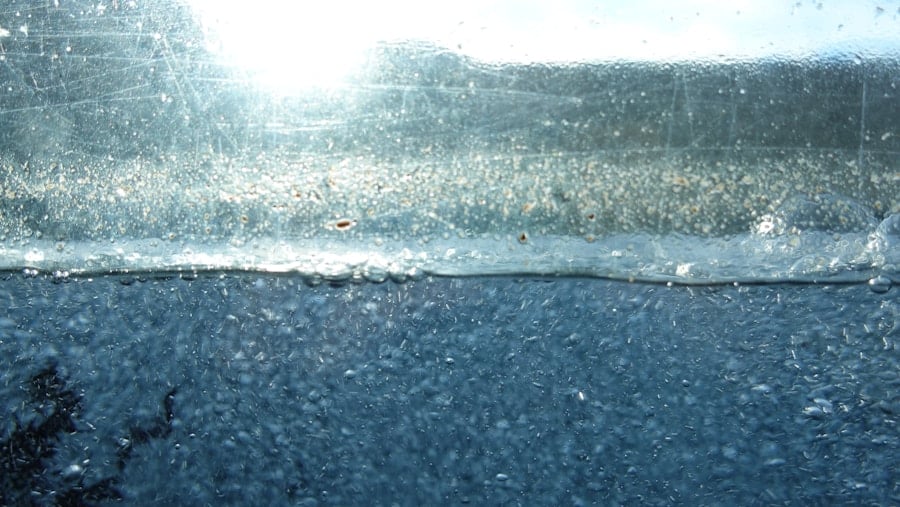
Hazing or fogging of windows is another issue that many of us encounter, particularly in older vehicles. This phenomenon occurs when the protective coating on the glass wears away over time, leading to a cloudy or hazy appearance that obstructs our view. Not only is this frustrating, but it can also pose a significant safety hazard while driving.
Poor visibility can increase the risk of accidents, making it essential for us to address this issue promptly. To combat hazing or fogging, we can start by cleaning our windows with specialized glass cleaners designed to remove buildup and restore clarity. In some cases, we may need to use a fine abrasive pad to gently buff away the haze.
If these methods do not yield satisfactory results, we might consider replacing the affected glass altogether. Investing in high-quality replacement windows can ensure that we maintain optimal visibility and safety on the road.
Discoloration
Discoloration of vehicle windows is an issue that can arise due to prolonged exposure to sunlight and environmental factors. Over time, UV rays can cause the glass to take on a yellowish or brownish tint, which not only affects aesthetics but can also impair visibility. For those of us who take pride in our vehicles, this discoloration can be particularly disheartening as it detracts from the overall appearance and value of our cars.
To address discoloration, we can explore various restoration techniques. Some products are specifically designed to remove discoloration from glass surfaces, helping to restore clarity and transparency. Additionally, applying a UV protectant can help prevent future discoloration by shielding the glass from harmful rays.
Regular maintenance and cleaning can also play a significant role in preserving the appearance of our windows and ensuring they remain in top condition for years to come.
Windshield Wiper Damage
Windshield wipers are essential components of our vehicles that ensure clear visibility during inclement weather. However, over time, wiper blades can become damaged or worn out, leading to streaks and smudges on our windshields. This not only affects our ability to see clearly but can also create an unsafe driving environment.
Regularly inspecting and maintaining our wiper blades is crucial for ensuring optimal performance. When we notice signs of wear on our wiper blades—such as fraying edges or skipping across the glass—it’s time for us to replace them. Fortunately, this is a relatively simple task that we can often do ourselves with minimal tools.
By investing in high-quality wiper blades and replacing them regularly, we can enhance our visibility during rain or snow and improve our overall driving experience.
Window Regulator Repair
Identifying Window Regulator Issues
Common signs of window regulator issues include slow-moving windows or windows that become stuck in one position altogether.
Repairing a Faulty Window Regulator
Addressing these problems promptly is essential for maintaining both convenience and safety. Repairing a faulty window regulator may require some technical know-how, but it’s often manageable for those of us who enjoy DIY projects. We might start by removing the door panel to access the regulator mechanism directly.
Resolving Window Regulator Problems
In some cases, lubricating the components may resolve minor issues; however, if the regulator is severely damaged, replacement may be necessary. By taking the time to address window regulator problems promptly, we can ensure that our windows function smoothly and reliably.
Power Window Motor Repair
The power window motor is another critical component that allows us to operate our windows with ease at the push of a button. When this motor malfunctions, it can lead to windows that refuse to move or operate erratically. This issue can be particularly inconvenient during inclement weather when we need to open or close our windows quickly.
Understanding how to diagnose and repair power window motor issues is essential for maintaining functionality in our vehicles. To troubleshoot power window motor problems, we might start by checking the fuse associated with the window system. If the fuse is intact but the window still won’t budge, we may need to remove the door panel to access the motor directly.
Testing the motor with a multimeter can help us determine if it’s receiving power; if not, further investigation into wiring issues may be necessary. In cases where the motor is indeed faulty, replacing it is often straightforward and can restore full functionality to our power windows.
Window Seal Repair
Window seals play a crucial role in keeping our vehicles insulated from outside elements while also preventing water leaks and wind noise. Over time, these seals can wear out or become damaged due to exposure to harsh weather conditions or general wear and tear. When this happens, we may notice drafts inside our vehicles or even water pooling around the window area during rainstorms.
Addressing window seal issues promptly is essential for maintaining comfort and preventing further damage. Repairing or replacing window seals typically involves removing any old or damaged material before applying new sealant or adhesive. For those of us who are handy with tools, this process can be relatively straightforward; however, seeking professional assistance may be wise if we’re unsure about tackling it ourselves.
By ensuring that our window seals are in good condition, we can enhance our driving experience by keeping out unwanted noise and moisture while improving energy efficiency within our vehicles. In conclusion, maintaining the integrity of our vehicle’s windows is essential for both safety and aesthetics. From addressing chips and cracks to ensuring proper function of wipers and seals, taking proactive measures allows us to enjoy a clearer view while driving and prolongs the life of our vehicles.
By staying vigilant about these common issues and seeking timely repairs when necessary, we can enhance both our driving experience and the overall value of our cars.
If you are looking for the best auto body repair services in Los Angeles, California, Mesa, Arizona, or Baltimore, Maryland, you may want to check out this article on the top auto body repair shops in Los Angeles. This article provides valuable information on the best places to get your car repaired in these cities, ensuring that your vehicle is in good hands.
FAQs
What types of damage can be repaired in auto glass?
Auto glass can typically be repaired if the damage is minor, such as small chips, cracks, or scratches. However, if the damage is extensive or affects the structural integrity of the glass, it may need to be replaced.
Can a windshield with a crack be repaired?
Whether a windshield with a crack can be repaired depends on the size, location, and severity of the crack. Small cracks that are not in the driver’s line of sight can often be repaired, but larger or more severe cracks may require windshield replacement.
What about a windshield with a chip or ding?
Chips and dings in a windshield can often be repaired using a special resin that is injected into the damaged area. This process can help prevent the damage from spreading and restore the structural integrity of the glass.
Can side windows and rear windows be repaired?
Side windows and rear windows can also be repaired if they have minor damage such as chips or cracks. However, like windshields, extensive damage may require replacement of the entire window.
Can scratches in auto glass be repaired?
Minor scratches in auto glass can often be repaired using specialized polishing techniques. However, deep or extensive scratches may not be repairable and may require replacement of the glass.





