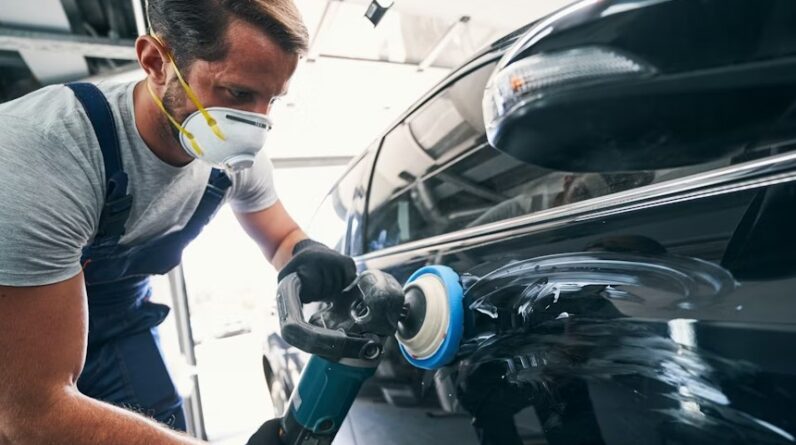
Dependable Dent Repair Frisco, TX
You’ve just been to the grocery store, and as you push your cart across the parking lot, a rogue shopping cart, dislodged by a gust of wind or an inconsiderate fellow shopper, careens directly into your gleaming vehicle. Or perhaps you’re backing out of a tight spot, and a momentary lapse of judgment leads to an encounter with a pole you swear wasn’t there a second ago.
The result? A dent in your otherwise pristine paintwork. This isn’t just a superficial blemish; it’s a visible scar on your investment, a constant reminder of that unfortunate incident. This is where dependable dent repair becomes not just a service, but a necessity, particularly in a vehicle-centric community like Frisco, Texas.
When considering dent repair in Frisco, TX, you’re not merely looking for someone to push out a piece of metal. You are seeking a craftsman, a specialist who understands the intricate relationship between a vehicle’s body panels, its paint, and its structural integrity.
You are entrusting them with the aesthetic and, in some cases, the residual value of your automobile. The choice of repair facility can determine whether that dent becomes a distant memory or a persistent eyesore, potentially diminishing your car’s market value.
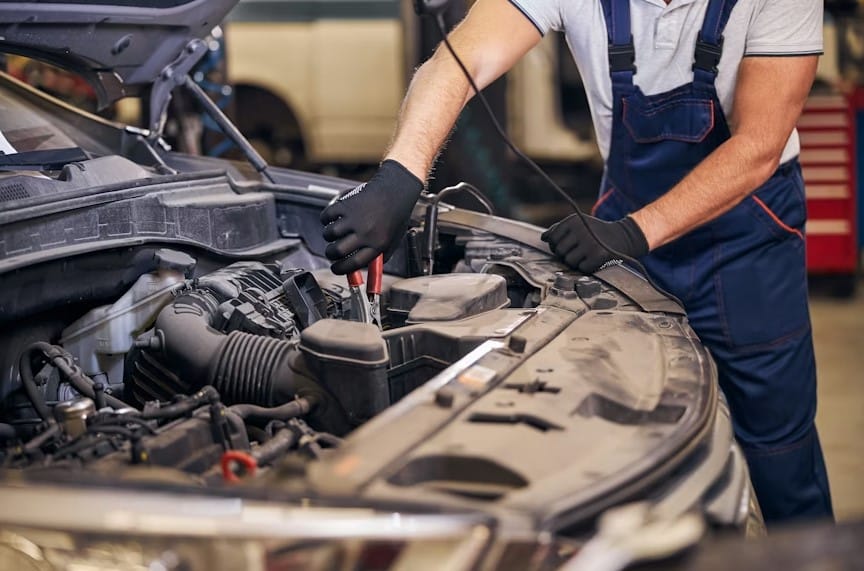
Before you even consider repair options, it’s beneficial to understand what exactly constitutes a dent and why some are more challenging to fix than others. A dent is not a monolithic entity; it exists along a spectrum of severity and complexity.
Types of Dents
Dents are generally categorized by their size, depth, and location.
- Door Dings: These are typically small, shallow depressions, often caused by other car doors or minor impacts from shopping carts. They are frequently found along the side panels of a vehicle.
- Crease Dents: Unlike rounder dings, crease dents manifest as linear indentations, often with sharp edges. These are generally more complex to repair due to the material stretching involved.
- Large Dents: These can range from broad, shallow depressions to significant impacts that might affect multiple panels. Their repair often requires more extensive work, including panel replacement.
- Sharp Dents: Characterized by a localized, deep impression, often with an acute angle in the metal. These dents indicate significant material stress and can be challenging to restore without paint damage.
- Hail Damage: While often numerous, individual hail dents are typically shallow and widespread across horizontal surfaces, such as the roof and hood. Modern repair techniques are particularly effective for this type of damage.
Factors Affecting Repairability
Not all dents are created equal, and several key factors influence their repairability.
- Location on the Vehicle: Dents on flat, easily accessible panels (like doors or large sections of fenders) are generally easier to repair than those on body lines, seams, or areas with limited access (such as behind structural components).
- Depth and Sharpness: A shallow, rounded dent is far simpler to address than a deep, sharp crease. The latter often involves stretched metal that has lost its original memory, making it harder to manipulate back into shape without cracking the paint.
- Paint Condition: If the paint is scratched, chipped, or cracked within the dented area, Paintless Dent Repair (PDR) might not be a standalone solution, and traditional bodywork with repainting would be necessary.
- Panel Material: While most modern cars use steel, some incorporate aluminum panels. Aluminum behaves differently under stress and heat, requiring specialized tools and techniques for repair. Attempting to repair an aluminum panel with steel-focused methods can worsen the damage.
Understanding these nuances equips you to have a more informed discussion with your chosen repair specialist in Frisco, TX. You’ll be better equipped to grasp the scope of work and the rationale behind their recommended approach.
If you’re looking for reliable auto repair options, you might find it helpful to read an article that provides insights into choosing a reputable shop. The article titled “Decoding Auto Repair Choices: Your Ultimate Guide to Finding a Reputable Shop” offers valuable tips and considerations for selecting the right service provider for your vehicle’s needs.
For more information, you can check out the article here: Decoding Auto Repair Choices. This resource can complement your search for dependable services like Dependable Dent Repair in Frisco, TX.
The Art and Science of Paintless Dent Repair (PDR)
When you consider dent repair, your mind might conjure images of body shops, Bondo, and repainting. However, a revolutionary technique has reshaped the industry: Paintless Dent Repair, or PDR. This method has become the preferred choice for many types of dents, offering substantial advantages over traditional repairs.
What is PDR?
PDR is a highly skilled process where trained technicians meticulously remove dents from a vehicle’s body without disturbing the factory finish. Imagine manipulating a fishing line through a labyrinthine cave to retrieve a fallen trinket; PDR is a similar exercise in precision and patience.
The technician uses specialized tools – rods, hooks, and levers – to gently massage the metal from the backside, slowly pushing the dent back into its original shape.
The PDR Process
The process typically involves several critical steps:
- Assessment: The technician thoroughly inspects the dent under specialized lighting to determine its size, depth, and location, as well as the condition of the paint. This initial assessment is crucial for determining if PDR is a viable option.
- Access: The next step is gaining access to the backside of the dent. This often involves carefully removing interior trim panels, headliners, taillights, or other components. This is where the metaphor of the labyrinth comes into play; navigating internal vehicle structures to reach the precise point of pressure requires expertise.
- Tool Selection: A vast array of PDR tools exists, each designed for specific access points and dent types. The technician selects the appropriate tools – from long, curved rods to small, pointed picks – to begin the repair.
- Gentle Massage and Manipulation: This is the heart of PDR. Using controlled pressure and leverage, the technician slowly coaxes the metal back into its original contour. It’s a delicate dance of applying and releasing pressure, ensuring the paint doesn’t crack, and the metal isn’t overcorrected. The process is iterative, often taking considerable time and requiring exceptional hand-eye coordination.
- Refinement: As the dent shrinks, finer tools are used to smooth out any imperfections, ensuring a flawless finish. The goal is to return the panel to its factory-smooth condition, making the dent invisible under all lighting conditions.
Advantages of PDR
PDR offers compelling benefits that make it a cornerstone of dependable dent repair in Frisco, TX.
- Preserves Factory Finish: This is the most significant advantage. By not sanding, filling, or repainting, PDR maintains your vehicle’s original paint, which is often more durable and aesthetically pleasing than aftermarket paint. This is crucial forkeepingg the vehicle’s resale value.
- Time-Efficient: PDR repairs are typically much faster than traditional bodywork. A simple door ding can often be repaired in under an hour, whereas conventional maintenance can take days due to the time required for filling, sanding, and drying.
- Cost-Effective: Without the need for materials like body filler, primer, and paint, PDR is generally more economical than conventional repair methods.
- Environmentally Friendly: PDR produces no chemical waste, solvents, or paint fumes, making it a greener repair option.
- Maintains Vehicle Value: Because the original paint is preserved, PDR helps keep your vehicle’s appearance and, consequently, its resale value. Original paint is a key factor for many purchasers and often translates to higher market prices.
For residents of Frisco, TX, seeking dent repair, PDR is often the ideal solution for many dent scenarios, offering a blend of speed, cost-effectiveness, and preservation of vehicle integrity.
Traditional Body Repair: When PDR Isn’t Enough
While Paintless Dent Repair is a marvel of modern automotive repair, it’s not a panacea for all types of damage. Sometimes, the extent or nature of the dent necessitates a more traditional, comprehensive approach. This is where conventional body repair methods come into play, offering robust solutions for more severe damage.
Scenarios Requiring Traditional Repair
You might be wondering when you’d need to consider a traditional body shop over a PDR specialist. Think of PDR as a surgeon meticulously repairing a hairline fracture, while traditional repair is the reconstructive surgeon handling a compound fracture.
- Paint Damage: The most common reason PDR is not suitable is when the paint within or around the dent has been chipped, scratched through to the primer or metal, or cracked. PDR can restore the metal’s shape, but it cannot repair the paint.
- Severe Creases and Sharp Dents: When metal is deeply creased or stretched beyond its elastic limit, the factory paint can often crack, or the metal itself becomes so deformed that it’s impossible to return it to its original shape without significant material manipulation.
- Structural Damage: If the impact causing the dent has compromised underlying structural components of the vehicle, such as frame rails or inner supports, a traditional body shop with the equipment for structural alignment and replacement is necessary.
- Panel Edge Damage: Dents that occur on the very edges of panels, especially those that are rolled or hemmed, can be exceptionally difficult to repair via PDR due to accessibility and the nature of the metal’s fold.
- Oversized Dents: While PDR can handle surprisingly large dents, there comes a point where the sheer scale of the deformation makes traditional methods more efficient and effective for a seamless repair.
The Traditional Repair Process
Traditional body repair is a multi-step process that aims to restore the panel’s original form and finish.
- Disassembly: Any adjacent panels, trim, or components that would obstruct the repair area are carefully removed.
- Metal Straightening: Technicians use various tools – including hammers, dollies, stud welders, and specialized pulling equipment – to meticulously pull and reshape the metal. The goal is to get the panel as close as possible to its original contour. This phase is often described as “roughing out” the dent.
- Body Filler Application: To achieve a perfectly smooth surface, a thin layer of automotive body filler (Bondo being a familiar brand) is applied over the straightened metal. This filler is used to feather out imperfections that couldn’t be corrected by metalwork alone.
- Sanding and Shaping: The body filler is then meticulously sanded, often with progressively finer grits, to perfectly match the panel’s original contours. This requires exceptional skill to ensure there are no high spots or low spots.
- Priming: Once the surface is perfectly smooth, the area is masked off, and several coats of automotive primer are applied. The primer serves as a protective layer, fills any microscopic imperfections, and provides a uniform base for the paint.
- Color Matching and Painting: This is arguably the most critical step for aesthetic consistency. Using sophisticated color-matching technology, the exact shade of your vehicle’s paint is identified and mixed. The damaged panel and, often, adjacent panels (for “blending”) are then painted in a controlled environment to ensure an even finish. Blending is key to avoiding a “patchwork” look by gradually transitioning the new paint into the old.
- Precise Coat Application: After the color coat, several layers of clear coat are applied. The clear coat provides depth, shine, and crucial protection against UV rays and environmental damage.
- Curing and Polishing: The paint and clear coat are allowed to cure (often with the assistance of infrared lamps). Finally, the painted area is buffed and polished to a mirror-like finish, seamlessly integrating it with the rest of the vehicle.
While more involved and typically more expensive and time-consuming than PDR, traditional body repair, when performed by skilled certified technicians in Frisco, TX, can restore a severely damaged vehicle to its pre-accident condition, ensuring both structural integrity and aesthetic perfection. It should never be seen as a mere patch-up but rather as a comprehensive restoration.
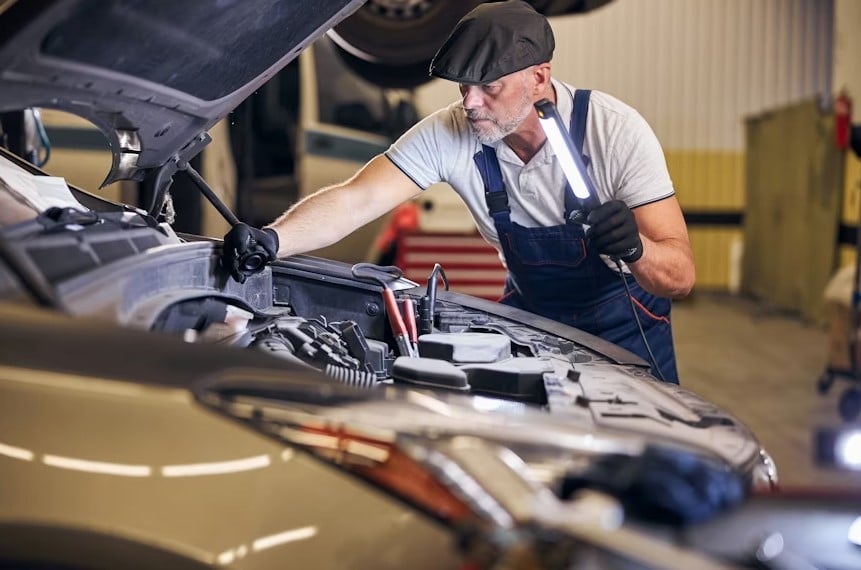
Choosing the Right Dent Repair Specialist in Frisco, TX
The decision of where to take your vehicle for dent repair in Frisco, TX, is more consequential than you might initially assume. You’re not just picking a name from a phone book; you’re selecting a skilled professional who will either enhance or detract from your vehicle’s value and appearance. This choice is akin to choosing a physician for a complex medical procedure – you want expertise, reliability, and transparency.
Key Considerations for Your Search
When you’re sifting through options for dent repair, several factors should guide your decision-making.
- Experience and Expertise: This is paramount. A sound PDR technician is not made overnight. It takes years of practice to develop the tactile sensitivity and visual acuity needed to reshape metal perfectly. Ask about their experience, particularly regarding the type of dent your vehicle has. For traditional body repair, inquire about the certifications of their technicians (e.g., ASE, I-CAR).
- Reputation and Reviews: In the digital age, a business’s reputation is an open book. Check online reviews on platforms like Google, Yelp, and Angi. Look for consistent themes in positive reviews – praise for quality of work, customer service, and timely completion. Likewise, pay attention to negative reviews and how the business responds to them. A few negative reviews might be outliers, but a pattern of complaints is a red flag.
- Warranty on Work: A reputable repair shop will stand behind its work. Inquire about the warranty they offer on their repairs, both for PDR and traditional methods. A lifetime warranty on PDR is not uncommon and signals confidence in their craftsmanship. For paintwork, a warranty against defects like peeling or fading is standard.
- Insurance Coordination: Dealing with insurance companies can be a labyrinthine process. A dependable dent repair specialist in Frisco, TX, will have experience working with various insurance providers. They should be able to assist you with claims, provide accurate estimates, and handle the communication with your insurer, alleviating a significant burden from your shoulders.
- Quoting and Pricing Transparency: You should receive a detailed, written estimate that clearly outlines the scope of work, parts, labor, and total cost. Be wary of estimates that are significantly lower than others, as this might indicate shortcuts or hidden fees. Conversely, a reputable shop will be transparent about pricing and explain any potential variations.
- Shop Appearance and Professionalism: While not always indicative of repair quality, a clean, organized shop often reflects a disciplined approach to work. Observe the professionalism of the staff – are they courteous, knowledgeable, and responsive to your questions? A shop that values its appearance often values its work.
- Technological Investment: For traditional body repair, look for shops that invest in modern equipment, such as computerized paint matching systems and advanced frame-straightening machines. For PDR, inquire about the range of specialized tools and lighting techniques they employ. This demonstrates a commitment to quality and efficiency.
By meticulously evaluating these factors, you can significantly increase your chances of finding a dent repair specialist in Frisco, TX, who will provide exceptional service and restore your vehicle to its pre-damage condition with skill and integrity. Think of yourself as an investigative journalist, gathering all pertinent information before you make your final decision.
If you’re looking for reliable services in the Frisco area, Dependable Dent Repair is an excellent option for addressing your vehicle’s cosmetic issues. Their expertise in paintless dent repair ensures that your car maintains its value while receiving top-notch care.
For those interested in exploring more about auto body repair options across different locations, you might find this article on the best auto body repair in Peoria, Arizona, quite informative. It highlights various services and providers, underscoring the importance of quality repairs wherever you are.
The Long-Term Benefits of Quality Dent Repair
| Metric | Value | Details |
|---|---|---|
| Service Type | Dent Repair | Paintless Dent Repair, Traditional Dent Repair |
| Location | Frisco, TX | Serving Frisco and the surrounding areas |
| Average Repair Time | 1-3 hours | Depends on dent size and location |
| Customer Satisfaction | 95% | Based on customer reviews and feedback |
| Warranty | Lifetime | On all dent repairs performed |
| Years in Business | 10+ | Experience in the dent repair industry |
| Operating Hours | Mon-Sat 8 am – 6 pm | Closed Sundays |
| Contact | (123) 456-7890 | Phone number for appointments and inquiries |
Investing in professional, high-quality dent repair – whether through PDR or traditional methods – extends far beyond merely erasing a cosmetic flaw. It’s a strategic decision that offers substantial long-term benefits, safeguarding your vehicle’s value, longevity, and your peace of mind.
Preserving Resale Value
Your vehicle is a significant asset, and its resale value is intrinsically linked to its condition. Think of it as a book: a dent-free body is like an uncreased cover, immediately more appealing to a prospective buyer.
- Aesthetic Appeal: A car with visible dents and dings presents a poor impression. Buyers often perceive such damage as indicative of neglect or more significant underlying issues, leading them to offer less or look elsewhere. Quality repair restores the vehicle’s pristine appearance, making it more attractive on the used car market.
- “Original Paint” Premium (PDR): For dents amenable to PDR, preserving the factory paint is a considerable advantage. Many buyers, especially those looking for higher-end vehicles, prefer original paint over repaint work due to its known quality, durability, and a lack of concern about potential hidden damage that might have necessitated a repaint.
- Avoids “Accident History” Red Flags: While minor dents might not always trigger an insurance claim that appears on a vehicle history report, significant damage requiring traditional repair will. However, presenting a vehicle with a professionally repaired history, complete with documentation, is far more favorable than selling a car with apparent unrepaired collision damage.
Preventing Further Damage and Corrosion
A dent is not just a dent; it can be a harbinger of more serious issues down the line, much like a hairline crack in a dam can lead to a deluge if left unaddressed.
- Paint Integrity Compromise: When a dent is sharp or deep, it can often crack or chip the paint. This breach in the protective layer exposes the underlying metal to the elements.
- Rust and Corrosion: Once exposed, the metal becomes highly susceptible to rust, especially in humid climates or during periods of rain. Rust, initially a superficial issue, can quickly spread, compromising the panel’s structural integrity and, by extension, the entire vehicle over time. It can also be costly to remediate once it takes hold.
- Compromised Structural Strength: While a single door ding won’t affect structural safety, larger dents, especially those that deform body lines or areas near welds, can subtly weaken a panel. In a subsequent, albeit minor, impact, a previously dented area might fail more readily than an undamaged one.
Personal Satisfaction and Pride of Ownership
Beyond the pragmatic financial and structural considerations, there’s the intangible benefit of pride.
- Aesthetic Pleasure: Driving a car that looks good feels better. A well-maintained, dent-free vehicle reflects positively on its owner. It’s a small but significant source of daily satisfaction.
- Maintaining Investment: Your car represents a significant financial outlay. Taking care of it, including promptly addressing dents, demonstrates responsible asset management. It communicates, “I value what I own.”
- Safety and Confidence: While minor dents don’t typically affect safety, addressing them shows a commitment to your vehicle’s overall health, which, in turn, contributes to a sense of confidence every time you get behind the wheel.
Ultimately, choosing dependable dent repair in Frisco, TX, is an investment in your vehicle’s future. It’s about protecting your asset, ensuring its longevity, and preserving that enduring sense of satisfaction you derive from driving a well-cared-for automobile. Don’t view dent repair as a grudging expenditure, but rather as an essential maintenance step that pays dividends over time.
FAQs
What types of dent repairs are commonly offered in Frisco, TX?
Dent repair services in Frisco, TX typically include paintless dent repair (PDR), traditional dent repair with repainting, hail damage repair, and minor collision dent fixes. These services address dents caused by parking lot mishaps, hailstorms, and minor accidents.
How does paintless dent repair (PDR) work?
Paintless dent repair involves massaging the metal back to its original shape without affecting the vehicle’s paint. Technicians use specialized tools to gently push or pull dents from the inside or outside, preserving the factory finish and often completing repairs faster than traditional methods. Does insurance in Frisco, TX, cover dental repair services?
Many dent repairs, especially those resulting from accidents or hail damage, may be covered by auto insurance policies. It is advisable to check with your insurance provider and the repair shop to understand coverage, deductibles, and claim processes.
How long does a typical dent repair take in Frisco, TX?
The duration of dent repair depends on the size and type of dent. Paintless dent repairs can often be completed within a few hours, while traditional repairs involving repainting may take several days. Repair shops in Frisco usually provide time estimates after assessing the damage.
What should I look for when choosing a dent repair service in Frisco, TX?
When selecting a dent repair service, consider factors such as technician experience, customer reviews, warranty offerings, pricing transparency, and the use of modern repair techniques, such as PDR. A dependable shop will provide clear communication and qualityartistryp.
Maps Of Frisco, Texas
Weather In Frisco, Texas
[simple-weather location=”Frisco, Texas”]
Here is one Dependable Dent Repair Frisco TX
Frisco Auto Body
Auto body shop
5+ years in business · 1949 Witt Rd
+1 972-505-6822
Advanced Auto Hail & Collision Repair
Auto body shop
3+ years in business · 15222 King Rd suite 1102
+1 469-237-1651
Frisco Paint & Body Inc.
Auto body shop
10+ years in business · 7059 Main St
+1 972-335-3515