Auto Body Repair Cost in Frisco
You’ve had a collision. Perhaps a fender bender, a side swipe, or a more significant impact. The initial shock dissipates, replaced by a new, gnawing concern: the cost of repair.
If you’re in Frisco, Texas, navigating auto body repair costs can feel like traversing a labyrinth. This often opaque document sheds light on the usually opaque equipment and repairs, empowering you to make informed decisions.
Before you even step foot in a repair shop, it’s crucial to understand the variables that act like threads in a complex tapestry, determining the final bill. No two collisions are identical, and thus, no two repair bills will be either.
Extent of Damage
This is the most obvious factor, but its implications run deeper than a superficial scratch versus a crumpled bumper.
- Minor cosmetic damage: Scratches, dings, and small dents often fall into this category. Repairs might involve paintless dent removal (PDR), touch-up paint, or minor sanding and repainting of a specific panel. The cost here is significantly lower, akin to pruning a shrub rather than felling a tree.
- Moderate structural damage: This can include bent fenders, cracked bumpers, damaged headlights, or compromised door panels. These issues often necessitate repair or replacement of individual body panels, along with painting. This level of damage requires more extensive labor and parts, akin to replacing a limb on a damaged sculpture.
- Severe structural damage: Frame damage, crumpled crumple zones, or compromised suspension components elevate the repair into a different league. These repairs are not just about aesthetics; they’re about restoring the safety and performance of your vehicle. This is the automotive equivalent of a full-scale reconstruction project. Frame straightening, extensive panel replacement, and potentially even engine or transmission checks become paramount. The cost here can quickly escalate, sometimes approaching or exceeding the vehicle’s market value.
Vehicle Make and Model
Just as a designer handbag costs more than a generic one, your car’s brand and model play a significant role in repair expenses.
- Luxury and exotic vehicles: Parts for brands like BMW, Mercedes-Benz, Lexus, Audi, and especially high-end sports cars, are inherently more expensive. They are often manufactured with specialized materials and tighter tolerances and may only be available through specific dealerships. Labor rates for technicians specializing in these vehicles are also typically higher, reflecting their advanced training and the specific tools required.
- Common domestic and import vehicles: For brands like Ford, Chevrolet, Honda, and Toyota, parts are generally more readily available and less expensive. The aftermarket parts industry also offers more options, which can sometimes reduce costs. Labor rates tend to be more standardized for these vehicles.
- Age may affect the vehicle: Ocles might have parts that are no longer manufactured, forcing repair shops to source from salvage yards or specialty suppliers, which can increase costs and lead times. Conversely, a very new model might have highly specialized parts that cannot be produced in bulk, leading to higher prices.
Type of Parts Used
The quality and origin of the parts directly impact both the cost and the longevity of your repair. Think of it as choosing between bespoke tailoring and off-the-rack clothing.
- OEM (Original Equipment Manufacturer) Parts: These are parts made by the original manufacturer of your vehicle or by a supplier contracted by them. They are designed to fit perfectly and meet the exact specifications of your car. While ensuring optimal fit, finish, and performance, they are typically the most expensive option. Insurers often prefer or even mandate OEM parts for structural components to maintain vehicle safety and integrity.
- Aftermarket Parts: These parts are manufactured by companies other than your vehicle’s original maker. They can range widely in quality and price. Some aftermarket parts are excellent, offering a cost-effective alternative to OEM, while others may be of inferior quality, leading to fitment issues or premature failure. Their price point is their main draw, often significantly lower than OEM.
- Used/Salvage Parts: Sourced from wrecked or salvaged vehicles, these parts can be a very economical option, particularly for older cars where new OEM parts are scarce or excessively expensive. However, their condition can vary, and they may not come with a perfect piece of a puzzle from another, similar manufacturer. Used parts are used parts that have been restored to like-new condition, often with new components integrated. They usually come with a warranty and offer a good balance of cost and reliability for certain components.
When considering the costs associated with auto body repair in Frisco, it’s essential to understand the factors that influence pricing and how to find a reputable repair facility.
A helpful resource on this topic is the article titled “Body Shop Confidential: Insider Tips for Finding a Reputable Repair Facility,” which provides valuable insights into selecting the right shop for your needs. You can read it here: Body Shop Confidential: Insider Tips for Finding a Reputable Repair. This article can help you make informed decisions and potentially save on repair costs.
Decoding the Labor Costs in Frisco
Labor is a significant component of any auto body repair bill. It’s the human element, the skill and expertise required to bring your vehicle back to life.
Shop Labor Rates
Labor rates for auto body repair shops in Several factors influence them influenced by several factors:
- Shop reputation and specialization: Highly reputable shops, especially those specializing in luxury vehicles or specific types of repairs (e.g., advanced frame repair), tend to have higher hourly rates. You’re paying for their proven track record and specialized expertise.
- Location within Frisco: Shops in prime commercial areas with higher overheads might pass some of those costs onto their labor rates.
- Technician experience and certifications: Highly trained and c- or I-CAR-certified ASE certified, I-CAR certified) command higher wages, which is reflected in the shop’s labor rates. These certifications indicate a commitment to ongoing education and adherence to industry best practices. Think of them as master craftsmen.
- Equipment and technology: Shops investing in state-of-the-art diagnostic equipment, frame straightening systems, and advanced paint booths will incur higher operational costs, which factor into labor rates.
Types of Labor Involved
Beyond the hourly rate, the type of labor performed dictates the total labor cost.
- Disassembly and Reassembly: Before any repair work can begin, damaged components must be carefully removed. After repairs, everything needs to be meticulously reassembled. This is often more complex than it appears, with numerous clips, sensors, and wiring harnesses involved.
- Body Work (PDR, Panel Replacement, Filing, Sanding): This is the heart of the repair. Paintless Dent Removal (PDR) is a specialized skill to remove dents without disturbing the paint. Panel replacement involves cutting out damaged sections and welding in new ones. Filling, sanding, and shaping ensure a smooth, uniform surface for painting.
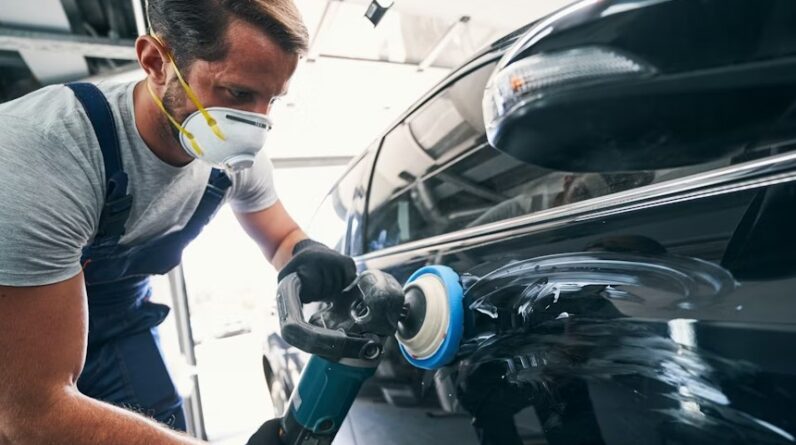
- Painting and Refinishing: This is an intricate process requiring a controlled environment and skilled application. It includes primer application, color matching (a critical step), clear coat application, and extensive polishing and buffing to achieve a factory-like finish. Paint materials themselves are a separate line item.
- Frame Straightening: When a vehicle’s frame or unibody structure is compromised, specialized equipment is used to pull and push the frame back into its factory specifications. This requires precise measurements and highly trained technicians. It’s akin to realigning the very skeletal structure of your car.
- Mechanical and Electrical Repairs: Often, a collision extends beyond the body. Damaged suspension components, steering systems, airbags, sensors, or wiring harnesses require a different set of skills and tools, incurring additional labor costs for mechanical or electrical technicians.
The Role of Paint and Materials
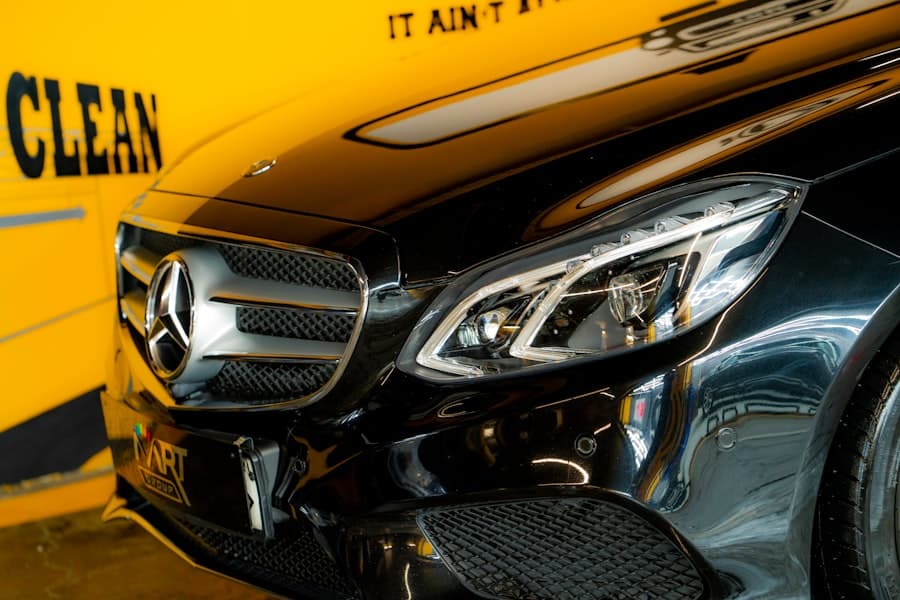
Beyond labor and parts, the consumables that bring your car back to life also contribute significantly to the bill.
Paint Systems
Modern automotive paint systems are complex, multi-layered applications designed for durability, protection, and aesthetic appeal.
- Base Coat: This provides the color of your car. Achieving a perfect color match is a blend of art and science, as paint fades and changes subtly over time. Shops use sophisticated color-matching software and often mix paints by hand to blend seamlessly with your vehicle’s existing paint.
- Clear Coat: This transparent, protective layer provides gloss and protects the base coat from UV rays, scratches, and environmental contaminants. Its quality is crucial for the longevity and appearance of the paint job.
- Primer: Applied before the base coat, primer provides a smooth, uniform surface for paint adhesion and helps prevent rust.
Material Costs
A myriad of materials are consumed during a repair, each with its own cost.
- Abrasives (Sandpaper, Buffing Compounds): Used extensively for preparing surfaces, smoothing out body filler, and refining the paint finish.
- Body Fillers and Putties: Used to fill in minor dents and imperfections, providing a smooth surface. Tapes and Papers: Essential for protecting undamaged areas of the vehicle during painting, preventing overspray.
- Solvents and Cleaners: Used for surface preparation, degreasing, and cleaning tools.
- Adhesives and Sealants: Used for attaching panels, sealing seams, and preventing water intrusion.
- Welding Supplies: Electrodes, welding wire, and gases are necessary for structural repairs.
Navigating Insurance and Estimates
For many, insurance is the guiding star in the sea of repair costs. Understanding its role is paramount.
Understanding Your Policy
Your insurance policy is a contract, and like all contracts, its details matter.
- Deductible: This is the amount you are responsible for paying out-of-pocket before your insurance coverage kicks in. It’s your agreed-upon contribution to the repair cost—a higher deductible typically means a lower premium, and vice versa.
- Coverage Type (Collision vs. Comprehensive): Collision coverage specifically addresses damage resulting from an impact with another vehicle, while Comprehensive coverage addresses non-collision events like theft, vandalism, fire, or striking an animal. Make sure your policy covers the type of incident you experienced.
- Supplements and Hidden Damage: Initial estimates are often based on visibly apparent damage. However, once a shop begins disassembly, it’s common to damage components that weren’t components or broken parts, not visible until panels are removed. The shop will then submit a “supplement” to your insurance company, detailing the additional repairs and costs. This is not an attempt to inflate the bill; it’s a necessary adjustment as more information becomes available.
Getting Multiple Estimates
While your insurance company may recommend a specific repair shop (often part of their “direct repair program” or DRP), you, as the vehicle owner, have the legal right to choose any shop you prefer.
- Value of Comparison: Obtaining at least two or three estimates from different reputable shops in Frisco can provide a valuable benchmark. Compare not just the bottom line, but also the line-item breakdown of parts, labor hours, and paint materials. This allows you to identify discrepancies and ask informed questions.
- Reviewing Estimates Carefully: Don’t just glance at the total. Scrutinize the details. Are OEM parts specified, or aftermarket? What are the labor rates? Are there any vague descriptions that need clarification? A detailed estimate is a sign of transparency and professionalism.
- Insurance Company’s Role: Your insurance company will review the estimates and approve a reasonable repair cost. You will typically pay the approved amount directly to the repair shop, minus your deductible, which you pay to the shop.
When considering the expenses associated with auto body repair in Frisco, it’s essential to understand the factors that can influence costs, such as the extent of damage and the type of repairs needed. For those looking for insights on similar services, you might find the article on the best auto body repair in Naperville, Illinois, particularly informative. It’s valuable information that can help inform decisions regarding your vehicle’s repair needs. You can read more about it here.
Tips for Reducing Auto Body Repair Costs in Frisco
| Repair Type | Average Cost | Typical Time to Complete | Notes |
|---|---|---|---|
| Minor Dent Repair | 150 – 300 | 1 – is 2 hours | Paintless dent removal often used |
| Scratch Repair | 10th 0 – 400 | 1 – 3 hours | Depends on depth and length of scratch |
| Bumper Repair | 300 – 700 | 2 – 4 hours | May require repainting or replacement |
| Fender Repair | 400 – 900 | 3 – 5 hours | Includes dent removal and repainting |
| Full Panel Replacement | 800 – 1500 | 1 – 3 days | Includes parts and labor |
| Frame Straightening | 600 – 1200 | 1 – 2 days | Necessary after major collisions |
| Paint Job (Partial) | 500 – 1000 | 1 – 2 days | Blending with existing paint |
| Paint Job (Full) | 1500 – 3500 | 3 – 5 days | Complete vehicle repaint |
While some costs are unavoidable, you can take steps to manage your expenses effectively.
Prioritize and Understand Necessity
Like a doctor prioritizing essential treatment, you can prioritize automotive repairs.
- Safety vs. Cosmetic: Frame damage, airbag deployment issues, or critical suspension damage are non-negotiable for your safety. Cosmetic damage like scratches or minor dents, while unsightly, may not always require immediate repair. Understand the difference and prioritize accordingly.
- Long-Term Value: For an older car approaching its end of life, extensive repairs might not be financially sensible. For a newer vehicle you plan to keep for many years, investing in quality repairs preserves its value and longevity.
Explore Different Part Options
Discussing part options with your chosen repair shop can yield savings.
- Aftermarket for Non-Structural: For non-structural, cosmetic components (e.g., bumper covers, fender linings), high-quality aftermarket parts can offer significant savings without compromising safety or appearance.
- Used/Salvage for Older Vehicles: For older models where new OEM parts are scarce or excessively expensive, used parts from reputable salvage yards can be a cost-effective solution. Ensure the shop verifies the condition of the used parts.
Consider Paintless Dent Removal (PDR)
This specialized technique can be a cost-saver for specific types of damage.
- When PDR is Applicable: If the paint is not chipped or cracked and the dent is not too severe or creased, PDR can be a quick and relatively inexpensive solution. It involves gently manipulating the metal from behind to restore its original shape.
- Advantages of PDR: It avoids the need for sanding, body filler, and repainting, saving both time and money, and maintaining your vehicle’s original factory finish.
Choose a Reputable Shop
Your choice of repair shop is arguably the most critical decision you’ll make.
- Look for Certifications: I-CAR Gold Class certification indicates a shop’s commitment to ongoing training and industry best practices. ASE certifications for individual technicians also signal expertise.
- Read Reviews and Ask for References: Online reviews (Google, Yelp, BBB) and personal recommendations can provide invaluable insights into a shop’s quality of work, customer service, and turnaround times.
- Check for Warranties: A reputable shop will stand behind its work with a written warranty on both parts and labor. This provides peace of mind and protection against future issues.
- Transparent Communication: A good shop will clearly explain the repair process, discuss all your options, and provide regular updates. You should feel comfortable asking questions and receiving clear, understandable answers.
Encountering auto body damage in Frisco can certainly disrupt your routine and your finances. However, by understanding the myriad factors that influence repair costs, diligently navigating your insurance policy, and carefully selecting a reputable repair facility, you can transform what feels like a costly burden into a manageable process.
Armed with knowledge, you become the captain of your repair journey, rather than a passenger at the mercy of unpredictable currents.
FAQs
What factors influence the cost of auto body repair in Frisco?
The cost of auto body repair in Frisco depends on factors such as the extent of the damage, the make and model of the vehicle, the type of repair needed (e.g., dent removal, paintwork, frame straightening), labor rates, and the quality of replacement parts used.
How much does a typical dent repair cost in Frisco?
A typical dent repair in Frisco can range from $50 to $300 or more, depending on the size and location of the dent, as well as whether paintless dent repair techniques can be used.
Are insurance companies likely to cover auto body repair costs in Frisco?
Insurance coverage for auto body repairs in Frisco depends on the type of insurance policy and the circumstances of the damage. Comprehensive coverage recovers essential costs for specific items. It is important to check how long auto body repair typically takes.
The duration of auto body repair in Frisco varies based on the damage severity and repair complexity. Minor repairs may take a few hours to a day; framework or repairs involving extensive painting can take several days to weeks.
Can I get an estimate for auto body repair costs before the work begins?
Yes, most auto body shops in Frisco provide free or low-cost estimates after inspecting the vehicle. It’s recommended to get multiple estimates to compare prices and services before proceeding with repairs.
Maps Of Frisco, Texas
Weather In Frisco, Texas
[simple-weather location=”Frisco, Texas”]
Here is one Auto Body Repair Cost in Frisco
Frisco Auto Body
Auto body shop
5+ years in business · 1949 Witt Rd
+1 972-505-6822
Advanced Auto Hail & Collision Repair
Auto body shop
3+ years in business · 15222 King Rd suite 1102
+1 469-237-1651
Frisco Paint & Body Inc.
Auto body shop
10+ years in business · 7059 Main St
+1 972-335-3515