Best Collision Repair Frisco, TX
Your vehicle is more than just a mode of transportation; it is an intricate machine, a complex system of engineering designed to move you from point A to point B safely and efficiently. When a collision compromises this system, the repercussions extend beyond mere cosmetic damage.
Structural integrity, mechanical functionality, and safety features can all be affected, turning your once-reliable conveyance into a potential hazard. Navigating the aftermath of an accident can be a daunting experience, fraught with questions about repairs, insurance, and the restoration of your vehicle to its pre-accident condition.
This article aims to provide you with a comprehensive overview of collision repair services available in Frisco, Texas, offering insights into what constitutes quality repair and what you should expect from reputable establishments.
Collision repair is a specialized field within automotive maintenance, focused on restoring a damaged vehicle to its original factory specifications following an accident. This process is not merely about painting over dents; it’s a meticulous craft that involves structural analysis, component replacement, and recalibration of safety systems.
The Scope of Damage Assessment
When your vehicle arrives at a collision repair facility, the first critical step is a thorough damage assessment. This is where skilled technicians act as automotive detectives, uncovering both evident and hidden damage. You should expect a detailed inspection that goes beyond visual cues.
Visible Damage
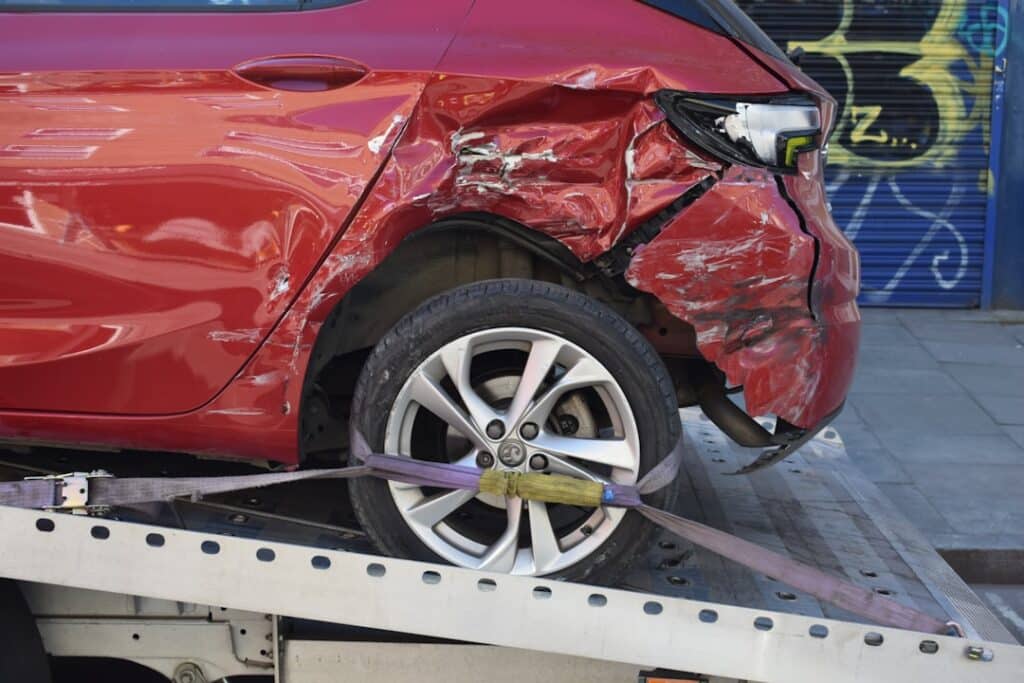
This includes dents, scratches, broken lights, and shattered glass. While these are immediately apparent, their underlying implications often require deeper inspection. A dent in a fender might seem superficial, but it could indicate stress on the underlying structural frame.
Hidden Damage
Beneath the surface, unseen damage can pose significant safety risks. This may include bent frame components, compromised suspension systems, or malfunctioning sensor arrays, all of which are crucial to modern vehicle safety. Advanced diagnostic tools, such as laser measurement systems, are frequently used to detect subtle yet critical deviations from factory specifications. Imagine your vehicle’s frame as its skeleton; even a slight misalignment can impact its structural integrity and handling.
Mechanical Damage
Impacts can reverberate throughout the vehicle, affecting mechanical components. This could range from a damaged radiator to a misaligned engine mount. Experienced technicians will meticulously inspect the engine bay, transmission, and braking systems for any signs of compromise.
The Repair Process
Once the damage is thoroughly assessed and documented, a repair plan is formulated. This plan serves as a roadmap for the technicians, detailing each step required to restore your vehicle.
Disassembly and Structural Repair
The repair journey often begins with disassembly, where damaged panels and components are carefully removed. This provides access to the vehicle’s inner workings. For frame damage, specialized equipment such as frame straightening machines is used to pull and align the chassis to its original dimensions. This is analogous to a broken bone needing to be set correctly before it can heal.
Part Replacement and Panel Repair
Damaged panels that cannot be safely or effectively repaired are replaced with new, often OEM (Original Equipment Manufacturer) parts. OEM parts are identical to those installed during manufacturing, ensuring a precise fit and maintaining the vehicle’s integrity. For panels that can be repaired, skilled technicians use techniques such as dent pulling, filling, and sanding to restore their original contours.
Painting and Refinishing
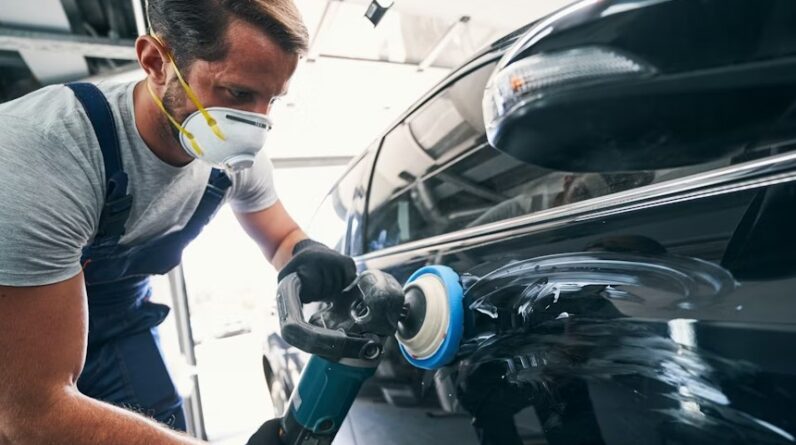
Achieving a seamless paint match is an art form. Modern collision repair facilities utilize sophisticated color-matching technology to blend new paint with the existing finish, making the repair virtually undetectable. Multiple layers of primer, base coat, and clear coat are meticulously applied and cured to achieve a durable and aesthetically pleasing finish that protects your vehicle from the elements.
Reassembly and Quality Control
After painting, your vehicle is reassembled with precision. All replaced parts have been installed, and any dislodged components have been re-secured. A rigorous quality control process follows, where every aspect of the repair is inspected, from panel gaps and alignment to the functionality of lights and electronic systems.
If you’re looking for insights on maintaining your vehicle’s appearance after a collision repair, you might find this article on detailing particularly useful. It explores the importance of restoring your car’s shine and value, which can complement the services provided by the best collision repair shops in Frisco, TX. For more information, check out the article here: The Art of Detailing: Restoring Your Car’s Shine and Value.
Choosing the Right Collision Repair Shop in Frisco
Selecting a collision repair shop is a significant decision. You are entrusting a valuable asset to their care, and the quality of their work directly impacts your safety and the longevity of your vehicle.
Accreditation and Certifications
Look for shops that hold industry certifications. These badges of honor demonstrate a commitment to quality, ongoing training, and adherence to established repair standards.
I-CAR Gold Class Recognition
I-CAR (Inter-Industry Conference on Auto Collision Repair) is a non-profit organization dedicated to providing the information, knowledge, and skills required to perform complete, safe, and quality repairs. Shops with I-CAR Gold Class Recognition have achieved the highest level of training available in the collision repair industry, meaning their technicians are extensively trained across various repair disciplines. This is akin to a medical facility having board-certified specialists.
Manufacturer Certifications
Many vehicle manufacturers, such as Honda, Ford, or Mercedes-Benz, offer their own certification programs to repair shops. These certifications indicate that the shop has specialized training, equipment, and access to proprietary repair procedures specific to that manufacturer’s vehicles. This ensures that repairs are performed in accordance with the manufacturer’s stringent guidelines, particularly important for cars with advanced materials or complex safety systems.
Experience and Expertise
The longevity and reputation of a collision repair facility often speak volumes about its quality of service.
Years in Business
A shop that has been operating in Frisco for an extended period has likely built a strong reputation within the community. Sustained success often reflects consistent quality and customer satisfaction. You wouldn’t choose a novice to perform complex surgery, and similarly, you want experienced hands working on your vehicle.
Technician Qualifications
Inquire about the training and certifications of the technicians who will work on your vehicle. Are they factory-trained? Do they have specialized expertise in certain vehicle brands or repair types? A team of highly skilled and continuously trained technicians is a hallmark of a top-tier repair facility.
Customer Service and Transparency
A positive repair experience extends beyond the quality of the technical work. Clear communication and honesty are paramount.
Clear Communication
A reputable shop will communicate transparently throughout the repair process. You should receive regular updates on your vehicle’s status, explanations of the work being performed, and proactive communication about any unforeseen challenges or delays. You shouldn’t have to chase them for information.
Detailed Estimates
Before any work begins, you should receive a comprehensive, itemized estimate that clearly outlines the scope of work, parts to be used, and estimated costs. Any deviations from this estimate should be discussed and approved by you beforehand. This prevents unpleasant surprises when it’s time to pick up your vehicle.
Warranty on Repairs
A strong indicator of a shop’s confidence in its quality is a comprehensive warranty on all repairs. This typically covers parts and labor for a specified period, giving you peace of mind that the work is guaranteed.
The Role of Insurance in Collision Repair
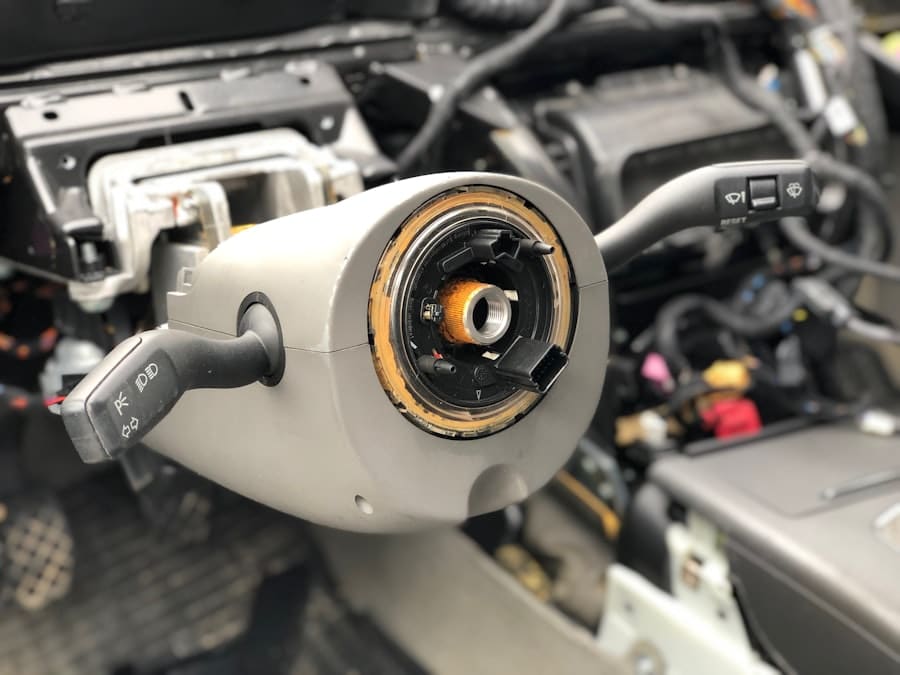
Navigating insurance claims can be as complex as the repair process itself. A good collision repair shop will assist you in this often-challenging aspect.
Direct Relationship with Insurance Companies
Many collision repair facilities have established relationships with insurance companies. They may be part of DRPs (Direct Repair Programs), which streamline the claims process and often expedite approvals.
Expedited Claims Process
When a shop is part of a DRP, it often has direct communication channels with adjusters, enabling faster approvals and fewer bureaucratic hurdles. This can significantly reduce the time your vehicle spends in the shop.
Advocating for Quality Repairs
A reputable shop will act as your advocate, ensuring that your insurance company approves the use of genuine OEM parts and the necessary repair procedures to restore your vehicle to its pre-accident condition, even if it means challenging the insurer’s initial assessment. Remember, their priority is your vehicle’s safety and integrity.
Understanding Your Policy
While the shop can assist, it is ultimately your responsibility to understand the specifics of your insurance policy, including coverage limits, deductibles, and rental car provisions.
Deductibles
Your deductible is the amount you are responsible for paying out-of-pocket before your insurance coverage kicks in. Ensure you understand this amount and how the repair shop will collect it.
Rental Car Coverage
If your policy includes rental car coverage, the shop can often help arrange a rental vehicle for the duration of the repairs. This minimizes disruption to your daily routine.
Advanced Technologies in Modern Collision Repair
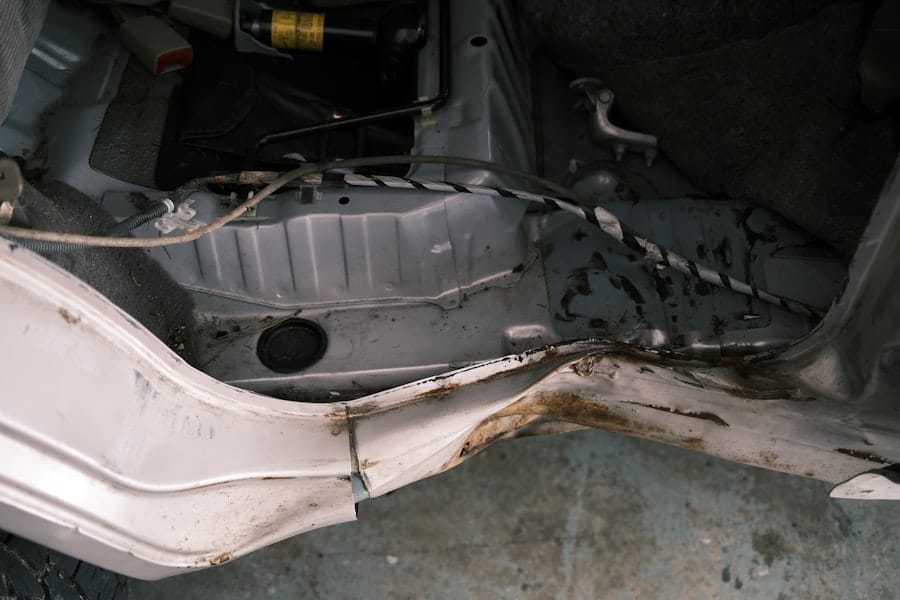
The automotive industry is constantly evolving, and collision repair technology must keep pace. Modern vehicles are marvels of engineering, packed with sensors, computers, and advanced materials.
Computerized Diagnostics and Recalibrations
Modern vehicles are equipped with a myriad of sensors and advanced driver-assistance systems (ADAS) such as lane departure warnings, adaptive cruise control, and automatic emergency braking. These systems require precise calibration after an accident or even after routine repairs.
Sensor Recalibration
An impact, even a minor one, can throw these sensors out of alignment. Specialized equipment and software are required to recalibrate them to factory specifications, ensuring they function correctly and continue to safeguard your driving experience. Imagine a symphony orchestra where each instrument must be perfectly tuned; similarly, your vehicle’s systems demand precise calibration.
Post-Repair Diagnostic Scans
After all repairs are complete, a comprehensive diagnostic scan should be performed to ensure all electronic modules are communicating correctly and there are no hidden fault codes. This is a crucial final check before your vehicle is returned to you.
Advanced Material Repair
Today’s vehicles utilize a diverse range of materials, each requiring specific repair techniques.
High-Strength Steel and Aluminum Repair
Many modern vehicles incorporate high-strength steel and aluminum alloys for their lightweight and safety benefits. Repairing these materials requires specialized equipment and training, as traditional techniques can compromise their integrity. Shops equipped to handle these materials demonstrate a commitment to staying current with automotive advancements. You wouldn’t use a wrench to fix a delicate circuit board, and similarly, specialized tools are needed to work with these advanced materials.
Carbon Fiber and Composites
Some high-performance or luxury vehicles employ carbon fiber and other composite materials, which demand highly specialized repair methods that only a select few shops possess the expertise to perform.
If you’re looking for top-notch collision repair services in Frisco, TX, you might also find it helpful to explore related resources that can guide you in making the best choice for your vehicle.
For instance, an insightful article on the best auto body repair options in nearby Grand Prairie, Texas, can provide valuable information and tips. You can read more about it in this helpful article, which discusses various aspects of auto body repair that could enhance your understanding of the services available in your area.
Customer Experience and Post-Repair Support
| Repair Shop | Customer Rating (out of 5) | Average Repair Time (days) | Warranty Offered | Specialties | Contact |
|---|---|---|---|---|---|
| Frisco Auto Body Experts | 4.8 | 5 | Lifetime on repairs | Collision repair, paintless dent removal | (972) 555-1234 |
| Precision Collision Repair | 4.6 | 4 | 2 years | Frame straightening, paint matching | (972) 555-5678 |
| Elite Auto Body Frisco | 4.7 | 6 | 1 year | Complete collision repair, detailing | (972) 555-9012 |
| Texas Collision Center | 4.5 | 7 | Lifetime on paint | Paint repair, dent removal | (972) 555-3456 |
| Frisco Body Shop | 4.4 | 5 | 1 year | Collision repair, insurance claims assistance | (972) 555-7890 |
The journey doesn’t end when you drive your repaired vehicle off the lot. A genuinely excellent collision repair experience includes ongoing support and a commitment to your satisfaction.
Post-Repair Inspection and Follow-Up
A reputable shop will often conduct a follow-up call or encourage you to return for a post-repair inspection after a few weeks. This allows them to address any minor issues that may arise after the initial repair and ensure your complete satisfaction.
Addressing Concerns
If you notice anything amiss after picking up your vehicle, a good shop will be readily available to address your concerns promptly and professionally. Their commitment to your satisfaction should extend beyond the initial repair.
Maintaining Vehicle Value
Quality collision repair not only restores your vehicle’s safety but also helps maintain its resale value. A shoddy repair can significantly diminish your car’s worth.
Documentation of Repairs
Keep all repair documentation, including estimates, invoices, and warranties. This detailed record demonstrates that your vehicle has undergone professional repairs, which can be valuable if you decide to sell it in the future.
Encountering a collision is an unfortunate event, but finding a reputable and skilled collision repair facility in Frisco, TX, can transform a stressful experience into a seamless restoration.
By understanding the intricacies of the repair process, prioritizing shops with strong accreditations and experienced technicians, and maintaining clear communication, you can make informed decisions that ensure the safety, integrity, and longevity of your vehicle. Choose wisely, for your vehicle’s well-being, and indeed your own, depends on it.
FAQs
What types of collision repair services are available in Frisco, TX?
Collision repair shops in Frisco, TX typically offer services such as dent removal, frame straightening, paintless dent repair, bumper repair, auto painting, and complete bodywork restoration after accidents.
How do I choose the best collision repair shop in Frisco, TX?
Look for shops with certified technicians, positive customer reviews, proper licensing, insurance partnerships, and warranties on repairs. Visiting the facility and asking about their equipment and repair process can also help you make an informed decision.
Does insurance cover collision repair costs in Frisco, TX?
Most auto insurance policies cover collision repair costs if you have collision coverage. It’s essential to check with your insurance provider about deductibles, claim procedures, and approved repair shops in Frisco.
How long does collision repair usually take in Frisco, TX?
Repair time varies depending on the extent of damage, parts availability, and shop workload. Minor repairs may take a few days, while major collision repairs can take several weeks.
Are OEM parts used in collision repairs in Frisco, TX?
Many reputable collision repair shops in Frisco use Original Equipment Manufacturer (OEM) parts to ensure quality and maintain vehicle safety standards. Still, some may offer aftermarket parts as a cost-effective alternative. Always confirm with the repair shop.
Maps Of Frisco, Texas
Weather In Frisco, Texas
[simple-weather location=”Frisco, Texas”]
Here is one Best Collision Repair Frisco TX
Frisco Auto Body
Auto body shop
5+ years in business · 1949 Witt Rd
+1 972-505-6822
Advanced Auto Hail & Collision Repair
Auto body shop
3+ years in business · 15222 King Rd suite 1102
+1 469-237-1651
Frisco Paint & Body Inc.
Auto body shop
10+ years in business · 7059 Main St
+1 972-335-3515