Have you noticed some rust spots on your vehicle and are looking for ways to restore it from the inside out? In this article, we will discuss advanced techniques for rust repair that you can do yourself to bring your vehicle back to its former glory. From understanding the causes of rust to step-by-step instructions on how to effectively repair and prevent it, we’ve got you covered. Let’s get started on restoring your vehicle from the inside out!
Understanding Rust: Causes and Effects
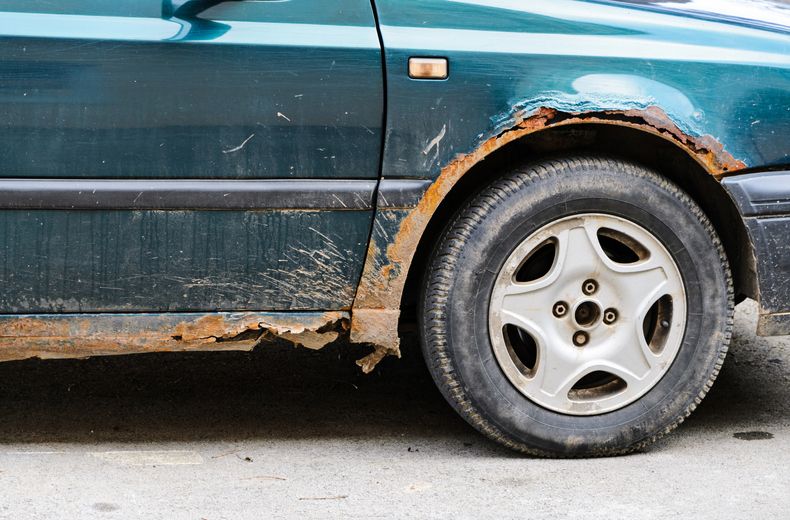
Rust is a common problem that many vehicle owners face, especially in regions with high humidity or salt exposure. Understanding the causes of rust is crucial in effectively repairing and preventing it from occurring again. Rust forms when iron, oxygen, and water come into contact, causing a chemical reaction that leads to the breakdown of metal surfaces.
It’s important to address rust as soon as possible, as it can spread quickly and weaken the structural integrity of your vehicle. By understanding the causes and effects of rust, you can take proactive steps to prevent it from damaging your vehicle further.
Common Causes of Rust
-
High Humidity: Exposure to high levels of moisture in the air can accelerate the rusting process, especially in areas with prolonged periods of rain or humidity.
-
Salt Exposure: Salt, such as road salt used during winter to melt ice, can speed up the oxidation process and cause rust to form more quickly.
-
Scratches and Chips: Scratches or chips in the paint of your vehicle can expose the metal surface to oxygen and water, providing the perfect environment for rust to develop.
Understanding these common causes of rust can help you identify potential problem areas on your vehicle and take preventive measures to protect it from further damage.
Tools and Materials Needed for Rust Repair
Before you begin the rust repair process, it’s essential to gather the necessary tools and materials to ensure a successful restoration. Here is a list of some common tools and materials you may need for rust repair:
| Tools | Materials |
|---|---|
| Wire brush | Rust converter |
| Sandpaper | Body filler |
| Putty knife | Primer |
| Paint scraper | Rust-inhibiting paint |
| Rust remover | Paint |
| Safety goggles | Clear coat |
| Respirator mask | Wax and grease remover |
Having the right tools and materials on hand will make the rust repair process much smoother and more efficient. Make sure to wear protective gear such as safety goggles and a respirator mask to safeguard yourself from harmful fumes and debris during the repair.

Step-by-Step Guide to Rust Repair
Now that you have gathered all the necessary tools and materials, let’s dive into a step-by-step guide on how to effectively repair rust on your vehicle from the inside out:
Step 1: Assess the Damage
Start by thoroughly inspecting your vehicle to assess the extent of the rust damage. Look for rust spots, bubbling paint, or areas where the metal surface appears corroded. Take note of all the areas that need repair and prioritize them based on severity.
Step 2: Remove the Rust
Using a wire brush, sandpaper, or rust remover, carefully remove the rust from the affected areas. Be sure to wear safety goggles and a respirator mask to protect yourself from inhaling harmful particles. Ensure that you remove all traces of rust to prevent it from spreading further.
Step 3: Apply Rust Converter
After removing the rust, apply a rust converter to the affected areas to neutralize any remaining rust and prevent it from reoccurring. Rust converters chemically alter iron oxide (rust) into a stable compound that can be painted over. Follow the manufacturer’s instructions for proper application and drying times.
Step 4: Fill in Any Gaps or Holes
If there are any gaps or holes in the metal surface due to rust damage, use body filler to fill them in. Smooth out the filler with a putty knife and let it dry completely before sanding it down to create a seamless surface for painting.
Step 5: Prime the Surface
Before painting, apply a coat of primer to the repaired areas to ensure proper adhesion and long-lasting protection. Primer helps to seal the surface, prevent corrosion, and provide a smooth base for the paint to adhere to. Let the primer dry according to the manufacturer’s instructions.
Step 6: Paint and Seal
Once the primer has dried, it’s time to paint the repaired areas to match the rest of the vehicle’s body. Use rust-inhibiting paint followed by a clear coat to protect the paint and provide a glossy finish. Allow the paint to dry completely before applying wax and grease remover to clean and seal the surface.
By following these step-by-step instructions, you can effectively repair rust on your vehicle from the inside out and prevent it from spreading further.

Preventing Rust: Tips and Maintenance
After repairing rust on your vehicle, it’s crucial to take proactive measures to prevent it from occurring again in the future. Here are some tips and maintenance practices to help you protect your vehicle from rust:
-
Regular Washing: Wash your vehicle regularly to remove dirt, salt, and other corrosive substances that can contribute to rust formation.
-
Undercoating: Apply an undercoating or rustproofing treatment to your vehicle to create a protective barrier against moisture and salt exposure.
-
Keep Your Vehicle Clean: Clean the interior and exterior of your vehicle regularly to prevent dirt and debris from accumulating and causing rust over time.
-
Fix Scratches and Chips: Address any scratches or chips in the paint of your vehicle promptly to prevent the metal surface from being exposed to water and oxygen.
-
Apply Wax: Wax your vehicle at least twice a year to protect the paint and create a barrier against moisture and UV rays that can lead to rust formation.
By following these preventive tips and maintenance practices, you can prolong the life of your vehicle and keep rust at bay.

Conclusion
Rust repair is a crucial aspect of vehicle maintenance that should not be neglected. By understanding the causes of rust, using the right tools and materials, following a step-by-step repair process, and implementing preventive measures, you can effectively restore your vehicle from the inside out.
Remember to assess the damage, remove the rust, apply rust converter, fill in any gaps, prime the surface, and paint and seal the repaired areas to achieve long-lasting results. With proper care and maintenance, you can keep rust at bay and enjoy a rust-free vehicle for years to come.