
When we think about the health of our vehicles, one of the most telling signs can often be found in the condition of our tires. Uneven tire wear is a common issue that many of us may overlook, but it can indicate deeper problems within our vehicle’s suspension system. If we notice that the tread on our tires is wearing down more on one side than the other, it could be a sign that our alignment is off or that there are issues with our suspension components.
This uneven wear not only affects the lifespan of our tires but can also compromise our safety on the road. Moreover, we should be aware that uneven tire wear can lead to a host of other problems. For instance, if we allow this issue to persist, it can result in decreased fuel efficiency and increased road noise, making our driving experience less enjoyable.
Regularly inspecting our tires for signs of uneven wear can help us catch these issues early. By addressing the root causes—whether they be misalignment, worn-out suspension parts, or improper tire inflation—we can ensure that our vehicle remains safe and efficient for years to come.
- Uneven tire wear can indicate suspension issues and should be checked by a professional.
- Excessive bouncing or swaying while driving may be a sign of worn out shocks or struts.
- Difficulty steering, especially at low speeds, could be a result of a problem with the suspension system.
- Knocking or clunking sounds when going over bumps may indicate a problem with the suspension components.
- Fluid leaks under the vehicle could be a sign of a leaking shock or strut and should be addressed promptly.
Excessive Bouncing or Swaying
As we navigate through various terrains, we may sometimes experience excessive bouncing or swaying in our vehicles. This unsettling sensation can be more than just an annoyance; it often signals that our suspension system is not functioning as it should. A well-functioning suspension system is crucial for maintaining stability and comfort while driving.
If we find ourselves bouncing excessively over bumps or swaying during turns, it may be time to investigate the condition of our shocks and struts. The feeling of excessive bouncing can also lead to a lack of control over our vehicle, especially during sudden maneuvers. This instability can be particularly dangerous in adverse weather conditions or on winding roads.
We should take these symptoms seriously and consider having our suspension system inspected by a professional. By addressing any underlying issues promptly, we can restore the smooth ride we expect and enhance our overall driving experience.
Difficulty Steering
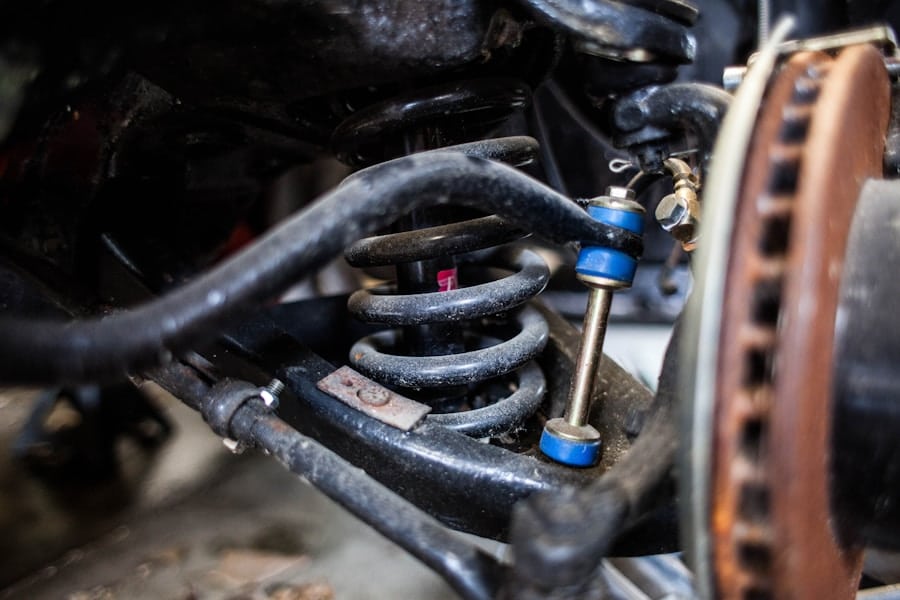
When we encounter difficulty steering our vehicle, it can be a frustrating and alarming experience. This issue may manifest as a stiff steering wheel or a lack of responsiveness when we turn the wheel. Such problems can arise from various factors, including low power steering fluid levels, worn-out steering components, or issues with the suspension system itself.
Regardless of the cause, we must not ignore these warning signs, as they can significantly impact our ability to control the vehicle. In addition to being a safety concern, difficulty steering can also lead to increased wear and tear on other components of our vehicle. If we find ourselves struggling to steer, it may be wise to have a professional mechanic assess the situation.
They can help us identify the root cause and recommend necessary repairs or adjustments. By addressing steering issues promptly, we not only enhance our driving experience but also ensure that we remain safe on the road.
Knocking or Clunking Sounds
Hearing knocking or clunking sounds while driving can be disconcerting for any of us. These noises often indicate that something is amiss within our vehicle’s suspension system. Whether it’s worn-out bushings, loose components, or damaged struts, these sounds should never be ignored.
They serve as a clear signal that our vehicle requires immediate attention to prevent further damage and ensure our safety. The source of these knocking sounds can vary widely, and identifying the exact cause may require a thorough inspection by a qualified mechanic. Ignoring these noises could lead to more severe issues down the line, including compromised handling and stability.
By addressing these sounds early on, we can save ourselves from costly repairs and maintain the integrity of our vehicle’s suspension system.
Fluid Leaks
Fluid leaks are another critical indicator that something may be wrong with our vehicle’s suspension system. If we notice puddles of fluid beneath our car after parking, it’s essential to determine the source of the leak. Common fluids associated with suspension issues include power steering fluid and shock absorber fluid.
Identifying and addressing these leaks promptly is crucial for maintaining the health of our vehicle. Fluid leaks not only compromise the performance of our suspension system but can also lead to more extensive damage if left unchecked. For instance, low power steering fluid levels can result in difficulty steering, while leaking shock absorber fluid can lead to a bumpy ride and decreased stability.
If we suspect a fluid leak, it’s advisable to consult with a professional mechanic who can diagnose the issue and recommend appropriate repairs.
Visible Damage to Suspension Components
Here is the rewritten text with 3-4 Regular Vehicle Checks: A Key to Suspension System Health
============================================================
### Inspecting for Visible Damage
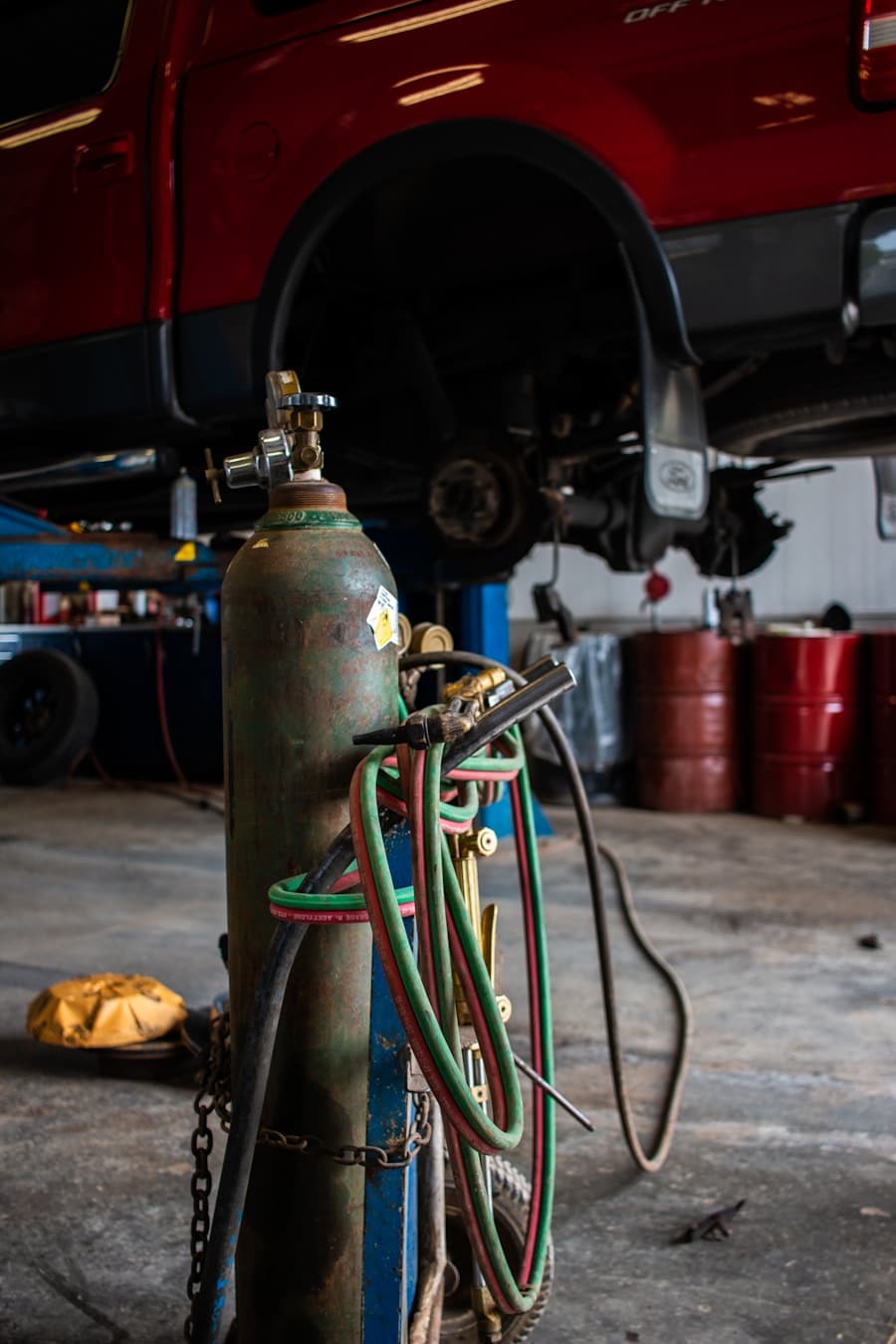
As we perform routine checks on our vehicles, we should take a moment to inspect the suspension components for any visible damage. Cracked bushings, bent control arms, or leaking shock absorbers are all signs that something may be wrong with our suspension system. These visible indicators can provide valuable insight into the overall health of our vehicle and help us identify potential issues before they escalate.
### The Consequences of Ignoring Visible Damage
Not only does visible damage compromise the performance of our suspension system, but it can also affect other areas of our vehicle. For example, damaged suspension components can lead to misalignment, resulting in uneven tire wear and decreased handling.
### The Importance of Prompt Action
By regularly inspecting our suspension system for visible damage and addressing any concerns promptly, we can ensure that our vehicle remains safe and reliable for all our journeys.
Vehicle Nose Diving or Rear Squatting
When we apply the brakes in our vehicles, we may notice a phenomenon known as “nose diving,” where the front end dips down while the rear rises up. Conversely, “rear squatting” occurs when the back end sinks down during acceleration. Both of these behaviors can indicate problems with our suspension system, particularly with the shocks and struts that are designed to absorb weight shifts during braking and acceleration.
Experiencing nose diving or rear squatting not only affects our comfort while driving but also compromises safety by altering how our vehicle handles during critical maneuvers. If we notice these symptoms frequently, it’s essential to have our suspension system evaluated by a professional mechanic. Addressing these issues early on can help restore proper balance and stability to our vehicle, ensuring a safer driving experience.
Decreased Handling or Stability
Finally, one of the most concerning signs that something may be wrong with our vehicle’s suspension system is decreased handling or stability. If we find ourselves struggling to maintain control during turns or feeling excessive body roll when navigating corners, it’s crucial to take these symptoms seriously. A well-functioning suspension system is vital for providing the stability and responsiveness we need while driving.
Decreased handling can stem from various issues within the suspension system, including worn-out components or misalignment. Ignoring these signs can lead to dangerous situations on the road, especially at higher speeds or during adverse weather conditions. If we experience decreased handling or stability in our vehicles, seeking professional assistance is essential for diagnosing and resolving any underlying issues.
By doing so, we not only enhance our driving experience but also prioritize safety for ourselves and others on the road. In conclusion, being aware of these signs related to our vehicle’s suspension system is crucial for maintaining both safety and performance. From uneven tire wear to decreased handling, each symptom serves as a reminder that regular maintenance and prompt attention to issues are essential for keeping our vehicles in optimal condition.
By staying vigilant and proactive about these concerns, we can ensure that our driving experiences remain smooth and secure for years to come.
If you suspect that your car’s suspension system may need attention, it’s important to address the issue promptly to avoid further damage. In a related article on autobodyrepairhq.com, you can learn how to create trustworthy bonds with your mechanics to ensure that your car receives the best care possible. By making informed choices and choosing a trustworthy auto repair shop, such as the best auto body repair in Warren, Michigan, you can rest assured that your car’s suspension system will be properly inspected and repaired.
FAQs
What are some common red flags that indicate my car’s suspension system might need attention?
Some common red flags that indicate your car’s suspension system might need attention include uneven tire wear, a bumpy or rough ride, excessive bouncing after hitting a bump, a nose dive or squat when braking or accelerating, and a drifting or pulling sensation while driving.
How often should I have my car’s suspension system checked?
It is recommended to have your car’s suspension system checked at least once a year or every 12,000 miles. However, if you notice any of the red flags mentioned earlier, it is important to have your suspension system checked as soon as possible.
What are the potential consequences of neglecting my car’s suspension system?
Neglecting your car’s suspension system can lead to a variety of issues, including decreased handling and control, increased stopping distance, accelerated tire wear, and discomfort for passengers due to a rough ride. Additionally, neglecting suspension issues can lead to more serious and costly repairs down the line.
Can I inspect my car’s suspension system on my own?
While it is possible to visually inspect your car’s suspension system for obvious signs of damage or wear, a comprehensive inspection should be performed by a qualified mechanic. They have the expertise and tools to properly diagnose any issues with your suspension system.





