When you think about emergencies, your mind might immediately jump to medical situations or natural disasters. However, your vehicle can also experience its own set of emergencies that require immediate attention. Welcome to the Auto ER, a term that encapsulates the urgent care your car may need when it breaks down or encounters a serious issue.
Just like a hospital emergency room, the Auto ER is a place where quick diagnosis and treatment can mean the difference between a minor inconvenience and a major disaster. Understanding this concept can empower you as a driver, helping you to navigate the often-stressful world of car troubles with confidence. In this article, you will explore the various facets of the Auto ER, from common car emergencies to the mechanics behind how technicians address these issues.
You will also learn about real-life case studies that illustrate the importance of being prepared for such situations. By the end, you will have a comprehensive understanding of what it means to be proactive in vehicle maintenance and how to handle emergencies when they arise. So buckle up as we take a deep dive into the world of automotive emergencies and equip you with the knowledge you need to keep your vehicle running smoothly.
- Auto ER is like the emergency room for your vehicle, where technicians handle car emergencies.
- Common car emergencies include flat tires, dead batteries, and engine overheating.
- Technicians in the Auto ER use diagnostic tools and their expertise to address vehicle emergencies.
- Real-life case studies illustrate the importance of being prepared for car emergencies.
- Preventative care, such as regular maintenance and carrying emergency supplies, can help avoid trips to the Auto ER.
Common Car Emergencies: What to Expect in the Auto ER
As a driver, you may encounter a variety of car emergencies that can leave you feeling anxious and uncertain. One of the most common issues is a flat tire, which can occur unexpectedly and often at the most inconvenient times. Whether you’re on your way to work or heading out for a weekend getaway, a flat tire can derail your plans in an instant.
Knowing how to identify a flat tire and what steps to take can save you time and stress. You might find yourself pulling over to inspect your tires, only to discover that one has lost air pressure or is completely deflated. Another frequent emergency is engine trouble, which can manifest in various ways, such as strange noises, warning lights on your dashboard, or even smoke coming from under the hood.
These symptoms can indicate anything from a minor issue like low oil levels to more severe problems like overheating or engine failure. Understanding these signs can help you make informed decisions about whether to attempt repairs yourself or seek professional assistance. The key is to remain calm and assess the situation carefully, as panic can lead to hasty decisions that may exacerbate the problem.
The Mechanics of Auto ER: How Technicians Handle Vehicle Emergencies

When you bring your vehicle into the Auto ER, skilled technicians are ready to diagnose and treat your car’s ailments. These professionals are trained to handle a wide range of issues, from simple repairs to complex mechanical failures. Upon arrival, they will typically perform an initial assessment, which may include visual inspections and diagnostic tests using specialized equipment.
This process is akin to how medical professionals evaluate patients in an emergency room, ensuring that they identify the root cause of the problem before proceeding with treatment. Once the diagnosis is complete, technicians will discuss their findings with you and outline potential solutions. This transparency is crucial, as it allows you to make informed decisions about repairs and costs.
Depending on the severity of the issue, they may recommend immediate repairs or suggest follow-up maintenance to prevent future emergencies. The goal is not just to fix the problem at hand but also to educate you on how to care for your vehicle moving forward. This collaborative approach fosters trust between you and the technician, ensuring that you feel confident in their expertise.
Case Studies: Real-Life Tales from the Auto ER
To illustrate the importance of being prepared for car emergencies, let’s delve into some real-life case studies that highlight various scenarios encountered in the Auto ER. One such case involved a young woman named Sarah who was driving home late at night when her car suddenly began to sputter and lose power. Instead of panicking, she remembered her roadside assistance plan and called for help.
The technician arrived promptly and discovered that Sarah had run out of gas—a simple oversight that could have been avoided with better planning. This experience taught her the importance of keeping an eye on her fuel gauge and having a backup plan in case of emergencies. Another compelling story comes from a family on a road trip who experienced brake failure while descending a steep hill.
They had been hearing strange noises from their brakes for days but had dismissed them as minor issues. When they finally lost braking power, they were forced to maneuver their vehicle into a safe area using their emergency brake. Fortunately, they were unharmed, but this incident served as a wake-up call about the importance of regular vehicle inspections and addressing warning signs promptly.
Their experience underscores how neglecting small issues can lead to significant dangers on the road.
Preventative Care: Tips for Avoiding Trips to the Auto ER
While emergencies are sometimes unavoidable, there are several proactive steps you can take to minimize your chances of needing an Auto ER visit. Regular maintenance is key; adhering to your vehicle’s service schedule can help catch potential problems before they escalate into emergencies. This includes routine oil changes, tire rotations, and brake inspections.
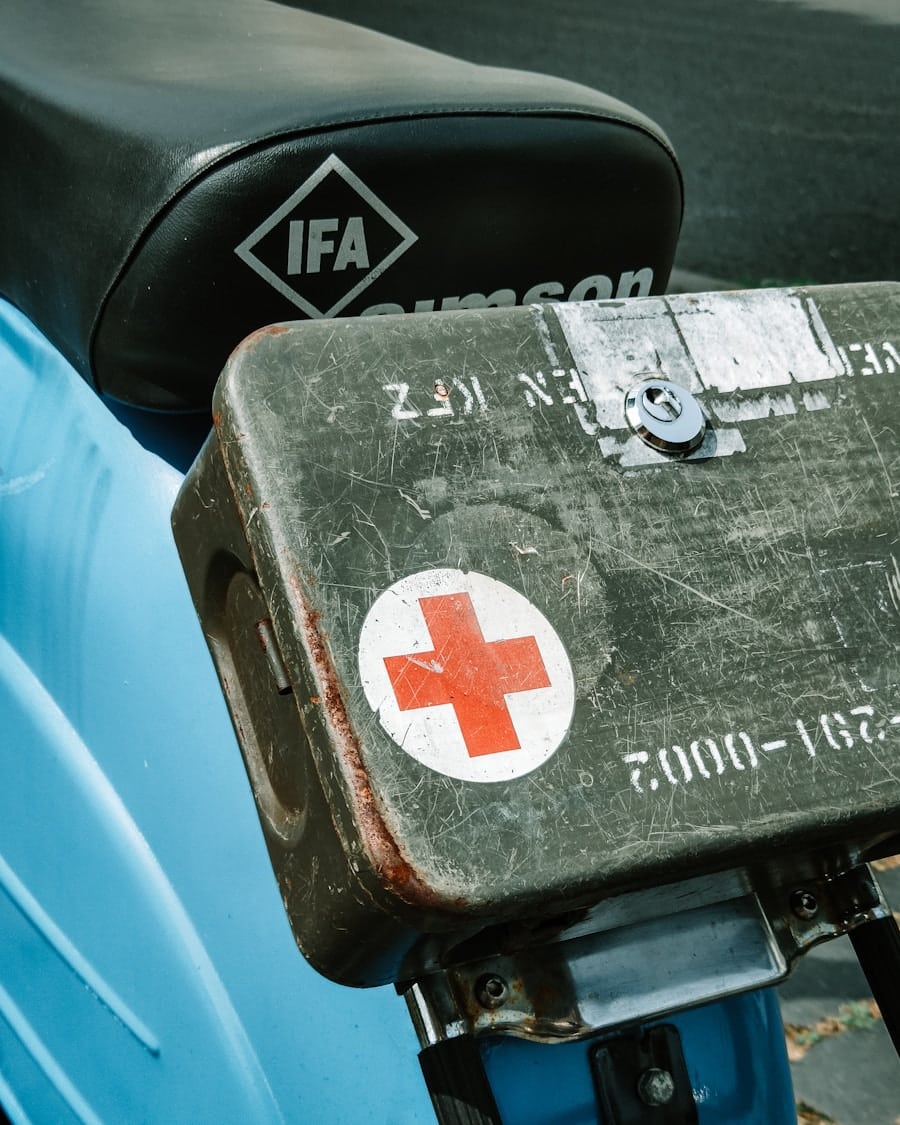
By staying on top of these tasks, you not only extend the life of your vehicle but also enhance its performance and safety. Additionally, keeping an emergency kit in your car can be invaluable during unexpected situations. Your kit should include essential items such as jumper cables, a first-aid kit, basic tools, and even non-perishable snacks and water for longer waits if you find yourself stranded.
Familiarizing yourself with basic troubleshooting techniques—like how to change a tire or jump-start a battery—can also empower you to handle minor issues without needing professional help immediately. By taking these preventative measures, you can significantly reduce your risk of experiencing car emergencies.
Safety First: How to Stay Safe When Dealing with Car Emergencies
When faced with a car emergency, safety should always be your top priority. If you’re on a busy road and experience a breakdown, it’s crucial to move your vehicle to a safe location if possible. Turn on your hazard lights to alert other drivers and avoid standing near moving traffic while waiting for assistance.
If you’re unable to move your car safely, stay inside with your seatbelt fastened until help arrives. In addition to physical safety, emotional preparedness is equally important during car emergencies. Staying calm can help you think clearly and make better decisions about how to proceed.
Take deep breaths and assess your surroundings before taking action. If you’re unsure about what steps to take next, don’t hesitate to call for professional help rather than attempting repairs yourself if you’re not confident in your abilities.
The Future of Auto ER: Advancements in Vehicle Emergency Technology
As technology continues to evolve, so too does the landscape of automotive care and emergency response. One exciting advancement is the integration of telematics systems in modern vehicles, which can monitor various aspects of your car’s performance in real-time. These systems can alert you to potential issues before they become serious problems, allowing for timely intervention and reducing the likelihood of needing an Auto ER visit.
Moreover, advancements in artificial intelligence are paving the way for more sophisticated diagnostic tools that technicians can use in the Auto ER. These tools can analyze data from multiple sources quickly and accurately, leading to faster diagnoses and more effective repairs. As these technologies become more widespread, drivers like you will benefit from improved safety features and enhanced reliability in your vehicles.
The Importance of Being Prepared for Car Emergencies
In conclusion, understanding the concept of the Auto ER equips you with valuable knowledge about handling car emergencies effectively. From recognizing common issues to knowing how technicians operate within this realm, being informed allows you to navigate these situations with confidence. By prioritizing preventative care and staying prepared for unexpected events, you can significantly reduce your chances of facing automotive crises.
Ultimately, being proactive about vehicle maintenance and safety not only protects you but also contributes to safer roads for everyone. As technology continues to advance in the automotive industry, staying informed about new developments will further enhance your ability to manage car emergencies effectively. Remember that preparation is key; by taking these steps today, you’ll be better equipped for whatever challenges lie ahead on your journey.
If you enjoyed reading about the tales from the emergency room of your vehicle in Auto ER, you may also be interested in learning about the benefits of ceramic coating for auto bodies. This article discusses how ceramic coating can provide enhanced protection and aesthetics for your vehicle, keeping it looking great for years to come. Check it out here.
FAQs
What is Auto ER: Tales from the Emergency Room of Your Vehicle?
Auto ER: Tales from the Emergency Room of Your Vehicle is an article that discusses common car problems and how to address them, similar to how a medical emergency room addresses health issues.
What are some common car problems discussed in the article?
The article discusses common car problems such as flat tires, dead batteries, overheating engines, and other issues that can occur while driving.
How does the article suggest addressing these car problems?
The article provides tips and advice on how to address common car problems, such as carrying a spare tire and knowing how to change it, keeping jumper cables in the car, and knowing how to safely add coolant to an overheating engine.
Why is it important to be prepared for car emergencies?
Being prepared for car emergencies can help ensure the safety of both the driver and passengers, as well as prevent further damage to the vehicle. It can also help minimize the inconvenience of being stranded on the road.