
As a driver, you rely heavily on your brakes for safety and control. Therefore, recognizing the signs that your brakes may need repair is crucial. One of the most common indicators is a squeaking or squealing noise when you apply the brakes.
This sound often suggests that the brake pads are worn down and need replacement. If you hear a grinding noise, it could mean that the pads have worn completely through, leading to potential damage to the rotors. Ignoring these sounds can lead to more severe issues and costly repairs down the line.
Another sign to watch for is a change in the brake pedal’s feel. If you notice that the pedal feels spongy or sinks to the floor when pressed, it could indicate air in the brake lines or a fluid leak. Additionally, if your vehicle pulls to one side when braking, it may suggest uneven wear on the brake pads or issues with the brake calipers.
These symptoms should not be overlooked, as they can compromise your vehicle’s safety and performance.
- Squealing, grinding, or vibrating brakes are signs that your brakes need repair
- Common brake problems include worn brake pads, leaking brake fluid, and warped rotors
- Regular brake maintenance is important for ensuring safety and preventing costly repairs
- DIY brake repair is not recommended for complex brake issues and professional service is often necessary
- Different types of brake systems include disc brakes, drum brakes, and anti-lock braking systems
Common brake problems and their causes
Brake problems can arise from various sources, and understanding these issues can help you address them promptly. One prevalent problem is brake pad wear. Over time, brake pads naturally wear down due to friction with the rotors.
Factors such as driving habits, vehicle weight, and the type of brake pads used can influence how quickly they wear out. If you frequently drive in stop-and-go traffic or engage in aggressive driving, your brake pads may wear out faster than average. Another common issue is rotor warping.
This occurs when the rotors become uneven due to excessive heat generated during braking. Warped rotors can lead to vibrations when you apply the brakes, making it difficult to maintain control of your vehicle. Additionally, brake fluid leaks can pose significant risks.
If you notice a puddle of fluid under your car or a decrease in brake responsiveness, it may indicate a leak in the brake lines or master cylinder. Addressing these problems early can prevent more extensive damage and ensure your safety on the road.
Importance of regular brake maintenance
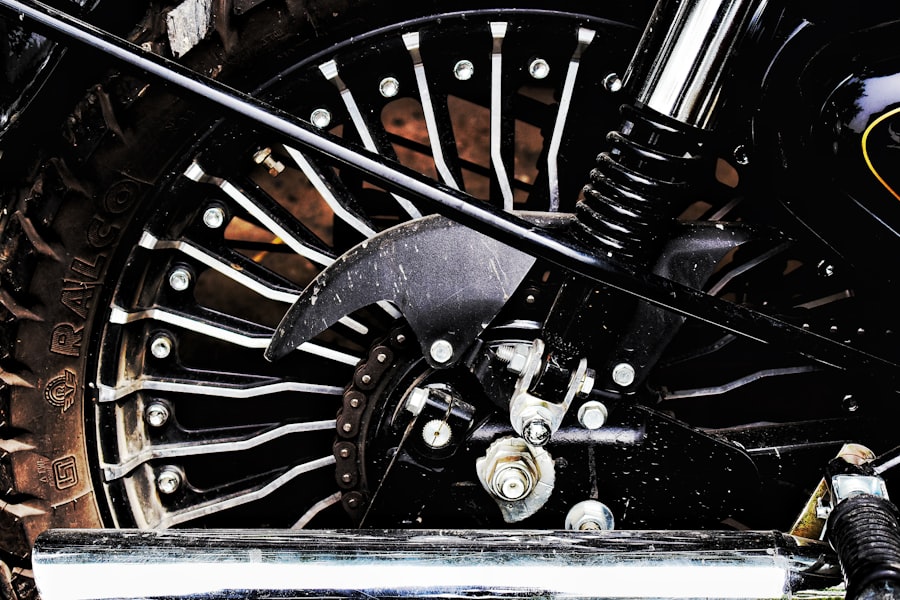
Regular brake maintenance is essential for ensuring your vehicle operates safely and efficiently. Just like any other component of your car, brakes require routine checks and servicing to function optimally. Neglecting brake maintenance can lead to decreased performance, increased stopping distances, and ultimately, dangerous driving conditions.
By scheduling regular inspections, you can catch potential issues before they escalate into costly repairs. Moreover, maintaining your brakes can enhance their longevity. Regularly replacing worn brake pads and checking fluid levels can prevent unnecessary wear on other components, such as rotors and calipers.
This proactive approach not only saves you money in the long run but also provides peace of mind knowing that your vehicle is safe to drive. Investing time and resources into brake maintenance is an investment in your safety and the overall health of your vehicle.
DIY brake repair vs professional service
When it comes to brake repair, many drivers face the dilemma of whether to tackle the job themselves or seek professional help. DIY brake repair can be a rewarding experience for those with mechanical skills and knowledge. It allows you to save money on labor costs and gain a deeper understanding of your vehicle’s braking system.
However, it’s essential to recognize your limitations; improper installation or repairs can lead to severe safety hazards. On the other hand, professional service offers expertise and experience that can be invaluable when dealing with complex brake systems. Certified mechanics have access to specialized tools and diagnostic equipment that can identify issues that may not be apparent to the average driver.
Additionally, professional services often come with warranties on parts and labor, providing added assurance that the job will be done correctly. Ultimately, weighing the pros and cons of DIY versus professional service will depend on your comfort level with automotive repairs and the specific issues at hand.
Understanding the different types of brake systems
To make informed decisions about brake repair and maintenance, it’s essential to understand the different types of brake systems available in vehicles today. The most common type is disc brakes, which use a rotor and caliper system to create friction and slow down the vehicle. Disc brakes are known for their superior performance and heat dissipation compared to drum brakes, making them a popular choice for modern vehicles.
Drum brakes, while less common in newer models, are still found in some vehicles, particularly older ones or those with rear drum brakes. They operate using a set of shoes that press against the inside of a drum to create friction. While drum brakes can be effective, they tend to generate more heat and may not perform as well under heavy braking conditions.
Understanding these systems will help you communicate effectively with mechanics and make informed decisions about repairs or upgrades.
Choosing the right brake repair shop
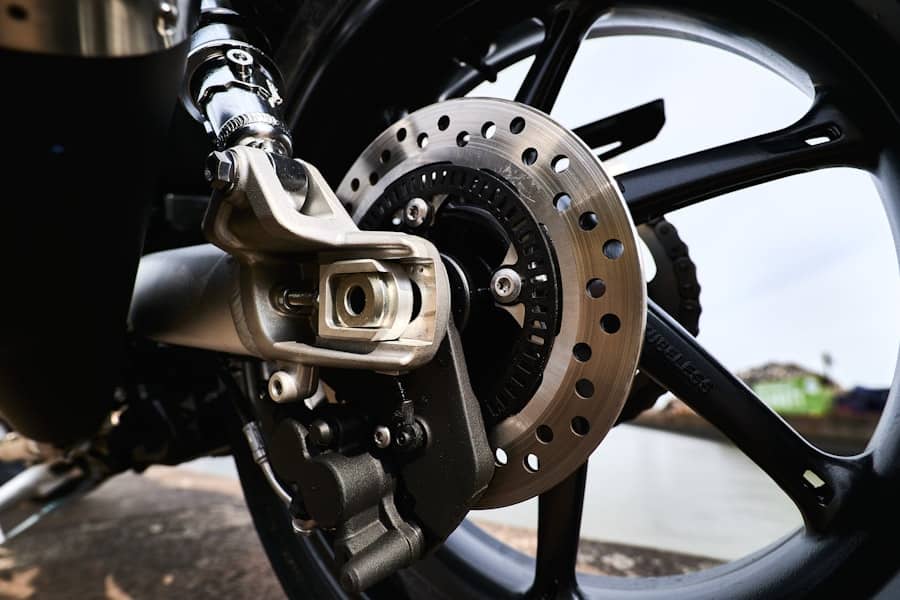
Choosing the Right Brake Repair Shop
Selecting a reliable brake repair shop is crucial for ensuring quality service and peace of mind. To begin your search, seek recommendations from friends or family who have had positive experiences with local shops. Online reviews can also provide valuable insights into a shop’s reputation and customer service standards.
Key Qualities to Look for in a Brake Repair Shop
When searching for a brake repair shop, look for shops that specialize in brake repair and have certified technicians on staff. This level of expertise is essential for ensuring that your vehicle receives the best possible care. Additionally, consider visiting the shops in person to get a sense of their facilities and operations. A clean, organized facility with modern equipment is often a good sign of professionalism.
Asking the Right Questions
Once you’ve narrowed down your options, don’t hesitate to ask questions about the shop’s experience with your specific vehicle make and model. It’s also essential to inquire about their warranty policies on parts and labor. This information will help you understand the level of protection you have in case something goes wrong with the repairs.
Building a Long-Term Relationship
Trusting your vehicle to a reputable shop will not only ensure quality repairs but also foster a long-term relationship for future maintenance needs. By taking the time to research and select a reliable brake repair shop, you can enjoy peace of mind knowing that your vehicle is in good hands.
Cost of brake repair and factors that affect it
The cost of brake repair can vary significantly based on several factors, including the type of vehicle you drive, the extent of the damage, and the specific services required. On average, you might expect to pay anywhere from $150 to $500 for a complete brake job, which typically includes replacing pads and resurfacing or replacing rotors. However, luxury vehicles or those with advanced braking systems may incur higher costs due to specialized parts and labor.
Additionally, geographic location plays a role in pricing; urban areas may have higher labor rates compared to rural regions. The choice between OEM (original equipment manufacturer) parts and aftermarket alternatives can also impact costs. While OEM parts tend to be more expensive, they often come with guarantees regarding quality and compatibility with your vehicle.
Understanding these factors will help you budget appropriately for necessary repairs while ensuring you receive quality service.
Tips for extending the life of your brakes
Extending the life of your brakes requires proactive measures and mindful driving habits. One of the most effective ways to prolong brake life is by practicing smooth driving techniques. Avoid sudden stops and aggressive acceleration; instead, anticipate traffic conditions ahead of time to minimize unnecessary braking.
This not only reduces wear on your brakes but also enhances fuel efficiency. Regular maintenance is equally important in extending brake life. Schedule routine inspections to check for wear on pads and rotors, as well as fluid levels in the braking system.
Keeping your braking system clean from debris and contaminants can also prevent premature wear. Finally, consider investing in high-quality brake pads designed for longevity; while they may cost more upfront, they can save you money on frequent replacements in the long run. By adopting these practices, you can ensure that your brakes remain reliable and effective for years to come.
If you’re looking for comprehensive information on automobile brake repair, it’s essential to consider various aspects of auto maintenance and repair services. While I don’t have a direct link to a specific article solely focused on brake repair, exploring resources that guide you to the best auto body repair services can be incredibly beneficial. For instance, you might find useful insights and professional services related to brake systems and more at locations like Rancho Cucamonga, California. For more details on what you can expect from top-tier auto body repair services in that area, consider visiting Best Auto Body Repair in Rancho Cucamonga, California. This could be a stepping stone to finding reliable experts who handle comprehensive automobile repairs, including brake systems.
FAQs
What are the common signs that indicate the need for automobile brake repair?
Some common signs that indicate the need for automobile brake repair include squealing or grinding noises when applying the brakes, a pulsating or vibrating brake pedal, a longer than usual stopping distance, and a brake warning light on the dashboard.
How often should automobile brakes be inspected and serviced?
It is recommended to have automobile brakes inspected and serviced at least once a year or every 12,000 miles, whichever comes first. However, it is important to have them checked more frequently if you notice any of the common signs of brake issues.
What are the components of an automobile brake system that may require repair?
The components of an automobile brake system that may require repair include brake pads, brake rotors, brake calipers, brake lines, brake fluid, and the brake master cylinder. Any of these components can wear out or become damaged over time and may need to be repaired or replaced.
Can I drive my car if I suspect the brakes need repair?
It is not recommended to drive your car if you suspect the brakes need repair. Driving with faulty brakes can be extremely dangerous and can lead to accidents. It is best to have the brakes inspected by a professional as soon as possible.
How long does it take to repair automobile brakes?
The time it takes to repair automobile brakes can vary depending on the extent of the damage and the specific components that need to be repaired or replaced. In general, a brake repair can take anywhere from 1-3 hours, but it may take longer if additional issues are discovered during the inspection.





