
When it comes to your vehicle, the brakes are one of the most critical components for ensuring your safety on the road. Recognizing the signs of brake problems early can prevent more severe issues down the line. One of the most common indicators that something is amiss is a squeaking or squealing noise when you apply the brakes.
This sound often suggests that your brake pads are worn down and may need replacement. If you hear a grinding noise, it could mean that the pads have worn completely through, and metal is now grinding against metal, which can lead to significant damage to your brake rotors. Another sign to watch for is a pulsating brake pedal.
If you feel a vibration or pulsing sensation when you press down on the brake pedal, it may indicate warped rotors. This issue can affect your vehicle’s stopping power and should be addressed promptly. Additionally, if you notice that your vehicle pulls to one side when braking, it could be a sign of uneven wear on your brake pads or issues with your brake calipers.
These symptoms should never be ignored, as they can compromise your safety and lead to more extensive repairs if left unaddressed.
- Squealing, grinding, or vibrating when braking are signs of brake problems
- Common brake repair services include brake pad replacement, rotor resurfacing, and brake fluid flush
- Regular brake maintenance is important for safety and to prevent costly repairs
- DIY brake repair tips include checking brake fluid levels and inspecting brake pads for wear
- Choosing the right brake repair shop involves considering their experience, reputation, and pricing
Common Brake Repair Services
When you take your vehicle in for brake repairs, several common services may be performed to restore optimal function. One of the most frequent services is brake pad replacement. Over time, brake pads wear down due to friction and heat generated during braking.
Mechanics will typically inspect the pads and replace them if they are below the manufacturer’s recommended thickness. This service is essential for maintaining effective stopping power and ensuring your safety on the road. Another common service is rotor resurfacing or replacement.
Brake rotors can become warped or damaged over time, leading to reduced braking efficiency and increased wear on your brake pads. During a brake service, a mechanic may choose to resurface the rotors to restore their flat surface or replace them entirely if they are beyond repair. Additionally, brake fluid flushes are often performed to remove moisture and contaminants from the brake fluid, which can degrade performance and lead to corrosion within the braking system.
Regular maintenance of these components is crucial for keeping your brakes in top condition.
Importance of Regular Brake Maintenance
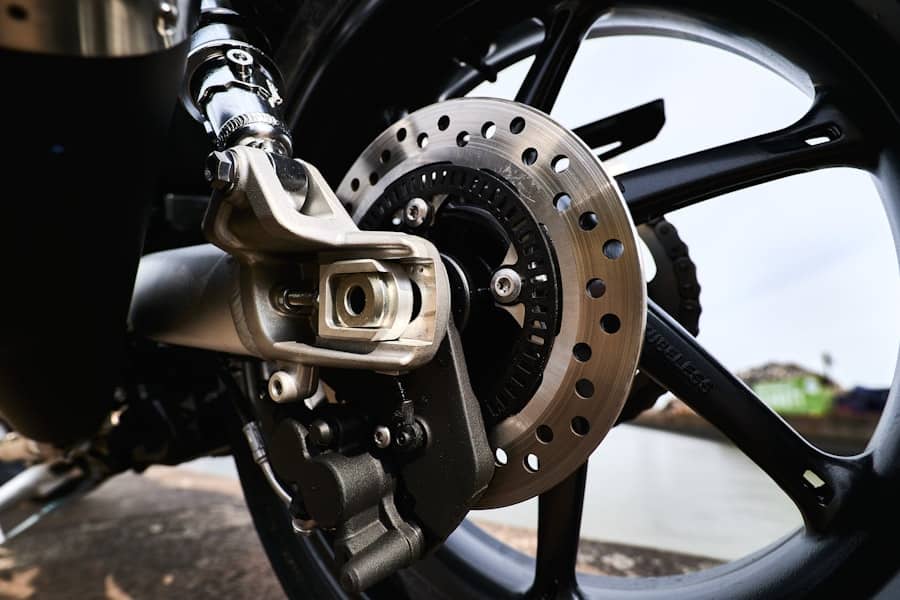
Regular brake maintenance is vital for ensuring your vehicle operates safely and efficiently. Just like any other part of your car, brakes require routine checks and servicing to function correctly. Neglecting this aspect of vehicle maintenance can lead to more severe problems, including complete brake failure, which poses a significant risk to you and others on the road.
By scheduling regular inspections, you can catch potential issues early and address them before they escalate into costly repairs. Moreover, maintaining your brakes can enhance your vehicle’s overall performance. Well-maintained brakes provide better stopping power, improved handling, and a smoother driving experience.
This not only contributes to your safety but also increases the longevity of your vehicle’s braking system. Regular maintenance can help you avoid unexpected breakdowns and ensure that your car remains reliable for years to come. Ultimately, investing time and resources into brake maintenance pays off in terms of safety, performance, and peace of mind.
DIY Brake Repair Tips
If you’re handy with tools and want to save some money on brake repairs, there are several DIY tips you can follow. First and foremost, always prioritize safety by ensuring that your vehicle is parked on a flat surface and secured with wheel chocks before starting any work. When replacing brake pads, it’s essential to use high-quality parts that meet or exceed manufacturer specifications.
This ensures that your new pads will perform effectively and last longer. Another useful tip is to inspect your brake fluid regularly. If you notice that the fluid level is low or appears dirty, it may be time for a flush or replacement.
You can also check for any visible leaks around the brake lines or calipers, which could indicate a more significant issue that needs professional attention. Additionally, if you’re comfortable doing so, you can clean the rotors with a non-abrasive cleaner to remove dust and debris that may affect braking performance. However, always consult your vehicle’s manual for specific instructions related to your make and model before attempting any repairs.
Choosing the Right Brake Repair Shop
Selecting the right brake repair shop is crucial for ensuring that your vehicle receives quality service. Start by researching local shops and reading customer reviews online. Look for establishments with a solid reputation for honesty and reliability.
A good shop will provide transparent pricing and detailed explanations of the services they offer. Don’t hesitate to ask questions about their experience with your specific make and model; this can give you confidence in their expertise. Additionally, consider asking for recommendations from friends or family who have had positive experiences with local mechanics.
A trustworthy shop will often have loyal customers who can vouch for their work. Once you’ve narrowed down your options, visit the shops in person if possible. Pay attention to cleanliness and organization; a well-maintained shop often reflects the quality of work you can expect.
Finally, inquire about warranties on parts and labor; a reputable shop will stand behind their work and offer guarantees for peace of mind.
Understanding Brake System Components

To better appreciate how your brakes work, it’s essential to understand the various components involved in the braking system. The primary parts include brake pads, rotors, calipers, and brake fluid. Brake pads are friction materials that press against the rotors when you apply the brakes, creating the necessary friction to slow down or stop your vehicle.
Over time, these pads wear down and need replacement to maintain effective braking performance. Rotors are metal discs that rotate with the wheels and provide a surface for the brake pads to grip onto. They can become warped or damaged due to excessive heat generated during braking, which can lead to reduced performance or even failure if not addressed promptly.
Calipers are responsible for squeezing the brake pads against the rotors when you press the brake pedal; they house the pistons that apply pressure to create friction. Lastly, brake fluid is crucial for transferring force from the pedal to the calipers; it must be maintained at proper levels and replaced periodically to ensure optimal performance.
Cost of Brake Repair
The cost of brake repair can vary significantly based on several factors, including the type of service needed, the make and model of your vehicle, and where you live. On average, you might expect to pay anywhere from $150 to $300 for a standard brake pad replacement service. However, if additional work is required—such as rotor resurfacing or replacement—the total cost can increase substantially.
It’s also important to consider that luxury or high-performance vehicles may incur higher repair costs due to specialized parts and labor requirements. To get an accurate estimate for your specific situation, it’s advisable to obtain quotes from multiple repair shops before making a decision. Keep in mind that while it may be tempting to choose the cheapest option available, quality should always take precedence over cost when it comes to something as critical as your brakes.
Upgrading to Performance Brakes
If you’re an automotive enthusiast or simply want enhanced stopping power for your vehicle, upgrading to performance brakes may be worth considering. Performance brake systems typically feature high-quality materials designed to withstand higher temperatures and provide better overall performance compared to standard brakes. This upgrade can significantly improve your vehicle’s braking efficiency, especially during aggressive driving or in demanding conditions.
When upgrading, you’ll find various options available, including larger rotors, multi-piston calipers, and high-friction brake pads designed specifically for performance applications. These components work together to reduce stopping distances and improve pedal feel, giving you greater control over your vehicle during braking maneuvers. However, it’s essential to ensure that any upgrades are compatible with your vehicle’s existing systems; consulting with a professional mechanic or specialist can help guide you through this process effectively.
In conclusion, understanding the signs of brake problems, common repair services, and the importance of regular maintenance is crucial for every vehicle owner. By being proactive about brake care—whether through DIY tips or by choosing a reputable repair shop—you can ensure that your vehicle remains safe and reliable on the road for years to come. Whether you’re considering routine maintenance or contemplating an upgrade to performance brakes, staying informed will empower you to make decisions that enhance both safety and driving enjoyment.
If you’re currently dealing with issues related to your automobile’s brakes and are seeking comprehensive repair guides or tips, you might find it useful to explore related topics such as understanding car repair estimates. A helpful resource in this area is an article titled “Beyond the Numbers: A Practical Approach to Interpreting Car Repair Estimates.” This article can provide you with valuable insights into what the numbers in repair estimates actually mean, helping you make more informed decisions about your vehicle’s maintenance. You can read more about this topic by visiting Beyond the Numbers: A Practical Approach to Interpreting Car Repair Estimates.
FAQs
What are the common signs that indicate the need for automobile brakes repair?
Some common signs that indicate the need for automobile brakes repair include squeaking or grinding noises when applying the brakes, a pulsating or vibrating brake pedal, a longer stopping distance, and a brake warning light on the dashboard.
How often should automobile brakes be inspected and serviced?
It is recommended to have automobile brakes inspected and serviced at least once a year or every 12,000 miles, but it may vary depending on driving habits and conditions.
What are the different components of an automobile brake system that may require repair?
The different components of an automobile brake system that may require repair include brake pads, brake rotors, brake calipers, brake lines, brake fluid, and the brake master cylinder.
What are the potential risks of driving with faulty brakes?
Driving with faulty brakes can increase the risk of accidents and collisions, as it can lead to longer stopping distances and reduced braking effectiveness. It can also cause further damage to the brake system and other vehicle components.
How long does it typically take to repair automobile brakes?
The time it takes to repair automobile brakes can vary depending on the extent of the damage and the specific components that need to be repaired or replaced. In general, a brake repair can take anywhere from 1-3 hours, but more extensive repairs may take longer.





