
When it comes to the interior of your vehicle, various types of damage can occur over time, often due to wear and tear, accidents, or environmental factors. One of the most common issues you may encounter is torn upholstery. Whether it’s a small rip in the fabric or a larger gash, torn upholstery can detract from the overall aesthetic of your vehicle and may even lead to further damage if not addressed promptly.
Additionally, you might find that your dashboard has developed scratches or cracks, which can be unsightly and may affect the functionality of your vehicle’s controls. Understanding these common types of damage is the first step in effectively addressing them. Another prevalent issue is stains and odors in carpets and upholstery.
Spills from food, drinks, or even pet accidents can leave unsightly marks that are difficult to remove. These stains not only affect the appearance of your vehicle but can also lead to lingering odors that make your driving experience less enjoyable. Leather seats and steering wheels, while luxurious, are not immune to damage either.
They can become cracked or faded over time due to sun exposure and general use. By recognizing these common types of interior damage, you can take proactive steps to maintain your vehicle’s interior and keep it looking its best.
- Common types of interior damage include torn upholstery, scratched or cracked dashboard, stains and odors on carpets and upholstery, and worn-out leather seats and steering wheel.
- Tools and materials needed for DIY interior repair include upholstery repair kit, dashboard repair kit, carpet and upholstery cleaner, leather conditioner, and interior trim and panel repair kit.
- To repair torn upholstery, start by cleaning the area, applying adhesive, and using a patch to cover the tear, followed by smoothing out any wrinkles and allowing it to dry.
- To fix scratched or cracked dashboard, use a dashboard repair kit to fill in the scratches or cracks, sand it down, and apply a matching color and texture to blend it in with the rest of the dashboard.
- Removing stains and odors from carpets and upholstery can be done by using a carpet and upholstery cleaner, applying it to the affected area, and using a brush to scrub and lift the stains and odors.
Tools and Materials Needed for DIY Interior Repair
Before embarking on any DIY interior repair project, it’s essential to gather the right tools and materials. Having the proper equipment at your disposal will not only make the process smoother but also ensure that you achieve the best possible results. For upholstery repairs, you will need a sewing kit that includes needles, thread, and fabric patches that match your vehicle’s interior.
A staple gun can also be handy for securing loose fabric or reattaching upholstery to its frame. Additionally, a pair of scissors and a utility knife will be useful for cutting materials to size. When it comes to dashboard repairs, you may require a plastic repair kit that includes epoxy or adhesive specifically designed for automotive use.
Sandpaper will help smooth out any rough edges after repairs are made. For cleaning stains and odors from carpets and upholstery, a good quality carpet cleaner or upholstery shampoo is essential. You might also want to invest in a steam cleaner for deeper cleaning.
If you’re working on leather seats, a leather conditioner and repair kit will be necessary to restore their original luster. By equipping yourself with these tools and materials, you’ll be well-prepared to tackle any interior repair project that comes your way.
Step-by-Step Guide to Repairing Torn Upholstery

Repairing torn upholstery can seem daunting at first, but with a little patience and the right approach, you can restore your vehicle’s interior to its former glory. Start by assessing the extent of the damage. If the tear is small, you may be able to sew it closed using a needle and thread that matches the fabric color.
Begin by threading the needle and tying a knot at the end. Carefully stitch along the edges of the tear, pulling the fabric together as you go. Make sure to keep your stitches even and tight for a clean finish.
For larger tears or rips, you may need to use a fabric patch. Cut a piece of fabric that is slightly larger than the damaged area and place it behind the tear. Use a fabric adhesive or a hot glue gun to secure the patch in place.
Once it’s adhered, sew around the edges for added durability. If you’re dealing with leather upholstery, consider using a leather repair kit that includes adhesive and color-matching compounds. Follow the instructions provided in the kit for the best results.
After completing the repair, allow it to dry completely before using the seat again.
How to Fix Scratched or Cracked Dashboard
A scratched or cracked dashboard can significantly impact your vehicle’s appearance and resale value. Fortunately, fixing these issues is often within reach for DIY enthusiasts. Start by cleaning the affected area with a soft cloth and an appropriate cleaner to remove any dirt or debris.
Once clean, assess the damage closely; minor scratches can often be buffed out using a scratch remover specifically designed for automotive surfaces. For deeper cracks, you may need to use a plastic repair kit that includes epoxy or filler material. Apply the filler according to the manufacturer’s instructions, ensuring that it fills the crack completely.
After allowing it to cure as directed, sand down the area until it is smooth and flush with the surrounding surface. Finally, apply a matching paint or dashboard restorer to blend the repaired area with the rest of your dashboard. This process not only enhances aesthetics but also protects against further deterioration.
Removing Stains and Odors from Carpets and Upholstery
Stains and odors can be particularly stubborn when it comes to vehicle interiors, but with some effective techniques, you can restore freshness to your carpets and upholstery. Begin by identifying the type of stain you’re dealing with—whether it’s food, drink, or something else—as this will dictate your cleaning approach. For general stains, a mixture of warm water and mild detergent can work wonders.
Dampen a clean cloth with this solution and gently blot the stain without rubbing, as this could spread it further. For more persistent odors, consider using baking soda as a natural deodorizer. Sprinkle baking soda liberally over carpets and upholstery, allowing it to sit for several hours or overnight if possible.
Vacuum thoroughly afterward to remove both the baking soda and any absorbed odors. If you’re dealing with pet stains or other tough odors, an enzymatic cleaner specifically designed for such issues can be highly effective. These cleaners break down odor-causing substances at a molecular level, leaving your interior smelling fresh once again.
Restoring Leather Seats and Steering Wheel
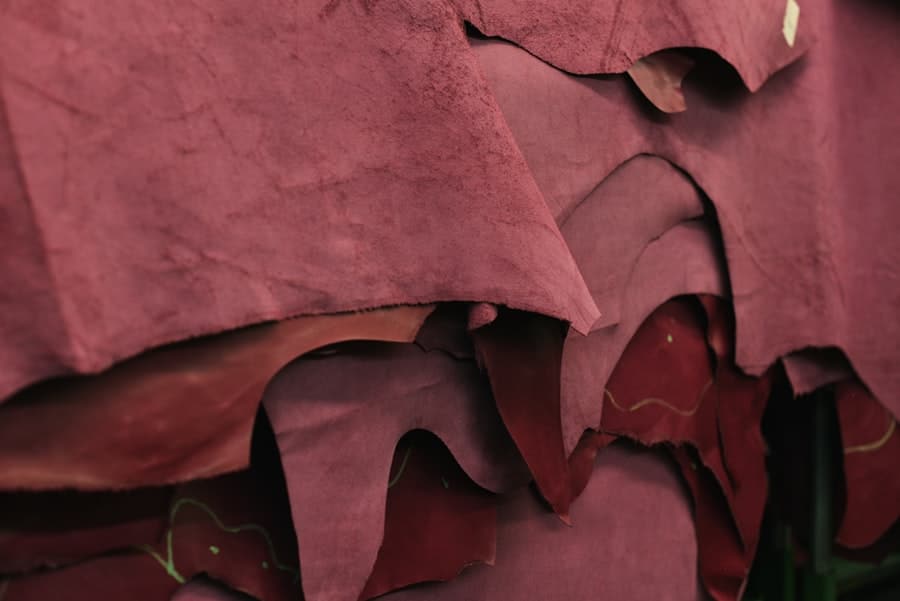
Leather seats and steering wheels add an element of luxury to your vehicle but require special care to maintain their appearance and longevity. Over time, leather can become cracked or faded due to sun exposure and regular use. To restore leather seats effectively, start by cleaning them with a leather cleaner that removes dirt without stripping away natural oils.
Use a soft cloth or sponge to apply the cleaner gently. Once cleaned, assess any damage such as cracks or scuffs. For minor cracks, a leather repair kit can be invaluable; these kits typically include color-matching compounds that allow you to fill in cracks seamlessly.
Apply the compound according to the instructions provided, ensuring an even application for a professional finish. After allowing it to dry completely, follow up with a high-quality leather conditioner to nourish the material and restore its luster. Regular conditioning will help prevent future cracking and fading.
Repairing and Refinishing Interior Trim and Panels
Interior trim and panels often bear the brunt of daily wear and tear, leading to scratches, fading, or even peeling paint over time. To begin repairing these areas, start by removing any loose debris or dirt with a soft cloth or vacuum attachment. For minor scratches on plastic trim, consider using a plastic polish that can help restore shine while minimizing visible imperfections.
If you’re dealing with painted panels that have chipped or faded areas, sanding down rough spots may be necessary before repainting. Use fine-grit sandpaper for this task to avoid causing further damage. Once sanded smooth, clean the area thoroughly before applying touch-up paint that matches your vehicle’s color code.
After allowing it to dry completely, consider applying a clear coat for added protection against future wear. This process not only enhances aesthetics but also helps maintain your vehicle’s value over time.
Tips for Maintaining a Clean and Well-Maintained Interior
Maintaining a clean and well-kept interior is essential for both comfort and longevity of your vehicle’s components. One of the simplest yet most effective tips is to establish a regular cleaning routine that includes vacuuming carpets and upholstery at least once a month. This helps prevent dirt buildup that can lead to stains or odors over time.
Additionally, consider using seat covers or floor mats as protective barriers against spills and wear. These accessories are often easier to clean or replace than dealing with stains directly on your upholstery or carpets. Regularly conditioning leather surfaces will also help maintain their appearance while preventing cracking from sun exposure.
Finally, avoid eating in your vehicle whenever possible; this simple habit can significantly reduce the likelihood of spills and messes that require extensive cleaning efforts later on. By following these guidelines for maintaining your vehicle’s interior, you’ll not only enhance its aesthetic appeal but also ensure that it remains comfortable and functional for years to come. Taking proactive steps in caring for your car’s interior will ultimately save you time and money on repairs down the line while providing an enjoyable driving experience every time you hit the road.
If you’re interested in learning more about maintaining and enhancing your car’s appearance, particularly focusing on the interior, you might find valuable insights in an article about the importance of color matching when restoring your car. Understanding how to match the interior colors accurately can significantly impact the overall aesthetic and resale value of your vehicle. You can read more about this topic and get professional tips by visiting The Importance of Color Matching: Restoring Your Car’s Original Hue. This article provides a comprehensive guide on how to achieve the best results in restoring your car’s original color and why it matters.
FAQs
What is automobile interior repair?
Automobile interior repair refers to the process of restoring or fixing the interior components of a vehicle, such as the seats, dashboard, door panels, and other interior surfaces.
What are the common types of automobile interior repairs?
Common types of automobile interior repairs include fixing tears, burns, or stains on the upholstery, repairing or replacing damaged dashboard or door panels, and restoring or refinishing leather or vinyl surfaces.
What are the benefits of automobile interior repair?
The benefits of automobile interior repair include improving the overall appearance and value of the vehicle, extending the lifespan of interior components, and creating a more comfortable and enjoyable driving experience.
What are the methods used for automobile interior repair?
Methods used for automobile interior repair may include upholstery repair, leather and vinyl restoration, dashboard and door panel repair, and interior surface refinishing using specialized tools and materials.
Can automobile interior repairs be done at home?
Some minor automobile interior repairs, such as small upholstery tears or stains, can be done at home using DIY repair kits. However, more extensive repairs may require professional expertise and equipment.
How much does automobile interior repair cost?
The cost of automobile interior repair can vary depending on the type and extent of the damage, the materials and methods used for repair, and whether the repair is done professionally or as a DIY project.





