
When it comes to vehicle maintenance, the significance of wheel repair often goes overlooked. Wheels are not just the components that allow your vehicle to move; they are crucial for ensuring safety, performance, and overall driving experience. A damaged wheel can lead to a host of problems, including compromised handling, increased tire wear, and even potential accidents.
Therefore, understanding the importance of timely wheel repair is essential for any vehicle owner. Neglecting wheel damage can escalate into more severe issues that may require costly repairs or replacements. For instance, a small crack or bend in the wheel can affect the alignment of your tires, leading to uneven wear and tear.
This not only shortens the lifespan of your tires but can also result in a dangerous blowout while driving. By prioritizing wheel repair, you are investing in your vehicle’s longevity and your own safety on the road.
- Properly maintained wheels are crucial for vehicle safety and performance
- Common causes of wheel damage include potholes, curbs, and corrosion
- Wheel repair services include straightening, refinishing, and welding
- DIY wheel repair may be cost-effective, but professional services offer expertise and quality assurance
- The process of wheel repair involves inspection, assessment, and restoration of the wheel’s structural integrity
Common Causes of Wheel Damage
Causes of Wheel Damage
Wheel damage can occur due to a variety of factors, many of which are often unavoidable. One of the most common causes is hitting a pothole or a curb. These unexpected obstacles can create significant stress on your wheels, leading to bends or cracks that may not be immediately visible.
Road Conditions and Wheel Damage
Additionally, driving on rough terrain or poorly maintained roads can exacerbate the wear and tear on your wheels, making them more susceptible to damage. This type of driving can cause wheels to deteriorate faster, leading to costly repairs if left unchecked.
Preventable Causes of Wheel Damage
Another frequent cause of wheel damage is improper tire inflation. Over-inflated or under-inflated tires can place undue pressure on the wheels, leading to warping or cracking over time. Regular tire checks can help prevent this type of damage and ensure the longevity of your wheels.
Everyday Driving and Wheel Degradation
Furthermore, regular wear and tear from everyday driving can contribute to wheel degradation. Factors such as excessive speed, heavy loads, and aggressive driving styles can all accelerate the deterioration of your wheels, making it crucial to remain vigilant about their condition.
Different Types of Wheel Repair Services

When it comes to wheel repair, there are several services available that cater to different types of damage. One of the most common services is wheel straightening, which involves correcting bent wheels back to their original shape. This process is essential for restoring proper alignment and ensuring that your vehicle handles correctly.
Wheel straightening is typically performed using specialized equipment that applies pressure to the damaged area, allowing for precise adjustments. Another popular service is wheel refinishing, which focuses on restoring the aesthetic appeal of your wheels. This process often includes sanding down any imperfections, repainting, and applying a protective clear coat.
Refinishing not only enhances the appearance of your wheels but also helps protect them from future damage caused by environmental factors such as road salt and UV rays. Additionally, some repair shops offer welding services for more severe damage, where cracks or breaks in the wheel are repaired using high-strength materials to restore structural integrity.
DIY Wheel Repair vs Professional Services
While some vehicle owners may consider tackling wheel repair on their own, it is essential to weigh the pros and cons of DIY versus professional services. On one hand, DIY repairs can save you money and provide a sense of accomplishment. There are numerous online tutorials and kits available that claim to help you fix minor issues like scratches or small bends.
However, without the proper tools and expertise, you risk making the problem worse or even compromising your safety. On the other hand, professional wheel repair services offer a level of expertise and equipment that is difficult to replicate at home. Trained technicians have access to specialized tools and techniques that ensure repairs are done correctly and safely.
Moreover, professional services often come with warranties that guarantee the quality of their work. Ultimately, while DIY repairs may seem appealing for minor issues, entrusting your wheels to professionals is often the best choice for ensuring long-term safety and performance.
The Process of Wheel Repair
The process of wheel repair typically begins with a thorough inspection to assess the extent of the damage. Technicians will examine the wheel for bends, cracks, or other imperfections that may affect its performance. Once the assessment is complete, they will determine the most appropriate repair method based on the type and severity of the damage.
After deciding on a course of action, the repair process can commence. For bent wheels, technicians will use hydraulic machines to straighten them back into shape carefully. If there are cracks present, welding may be employed to fill in these gaps and restore structural integrity.
Once repairs are completed, the wheels are often refinished to restore their appearance and protect against future damage. Finally, a quality check ensures that everything meets safety standards before the wheels are reinstalled on your vehicle.
Cost of Wheel Repair and Factors to Consider
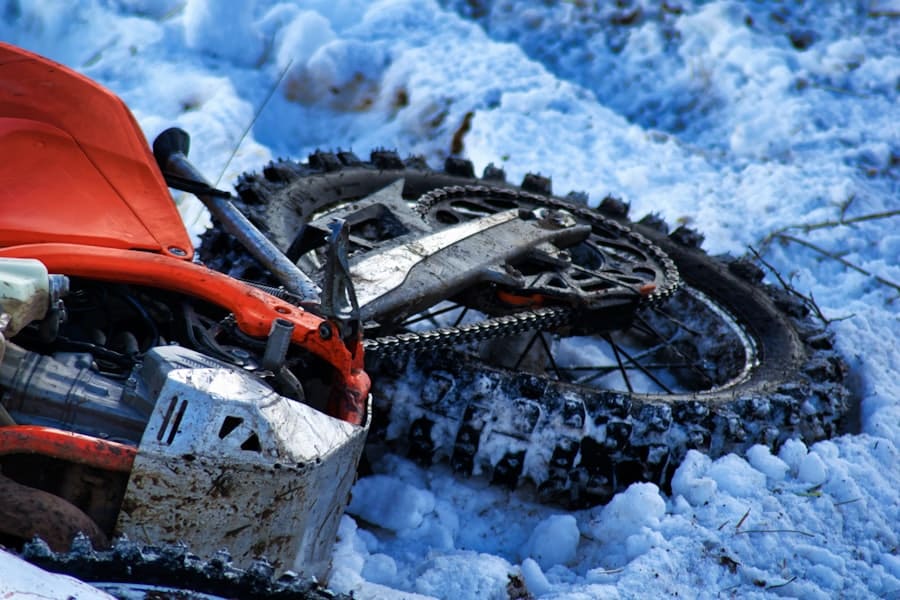
The cost of wheel repair can vary significantly based on several factors, including the type of damage, the materials used, and the specific services required. Minor repairs such as refinishing or straightening may cost anywhere from $75 to $150 per wheel, while more extensive repairs involving welding or replacement could range from $200 to $500 or more. It’s essential to get multiple quotes from different repair shops to ensure you’re receiving a fair price for the services rendered.
Additionally, consider factors such as warranty coverage and customer reviews when evaluating repair costs. A slightly higher price may be justified if it comes with a warranty or if the shop has a strong reputation for quality work. Remember that investing in professional repairs can save you money in the long run by preventing further damage and ensuring your vehicle operates safely.
Finding a Reliable Wheel Repair Shop
Finding a reliable wheel repair shop is crucial for ensuring quality service and peace of mind. Start by seeking recommendations from friends or family who have had positive experiences with local shops. Online reviews can also provide valuable insights into customer satisfaction and service quality.
Look for shops that specialize in wheel repair rather than general auto body work; this specialization often indicates a higher level of expertise. Once you have a shortlist of potential shops, visit them in person if possible. A clean and organized facility with knowledgeable staff is often a good sign of professionalism.
Don’t hesitate to ask questions about their repair processes, warranties offered, and any certifications they may hold. A reputable shop will be transparent about their methods and willing to provide you with detailed information about your repair options.
Tips for Maintaining and Preventing Wheel Damage
Preventing wheel damage is always preferable to repairing it after the fact. One effective way to maintain your wheels is by regularly checking tire pressure and ensuring they are inflated according to manufacturer specifications. Proper inflation not only extends the life of your tires but also reduces stress on your wheels.
Additionally, be mindful of road conditions while driving. Avoid potholes and rough terrain whenever possible, as these can cause significant damage to your wheels over time. Regularly inspecting your wheels for signs of wear or damage can also help catch issues early before they escalate into more severe problems.
Finally, consider having your wheels professionally cleaned and coated periodically; this can protect against corrosion and other environmental factors that contribute to wear and tear. In conclusion, understanding the importance of wheel repair is vital for maintaining vehicle safety and performance. By being aware of common causes of damage and knowing when to seek professional help versus attempting DIY repairs, you can ensure that your wheels remain in optimal condition for years to come.
Regular maintenance and preventive measures will not only save you money but also enhance your overall driving experience.
If you’re looking into automobile wheel repair, it’s also essential to consider the overall costs associated with auto body repairs. A helpful resource for understanding and planning your budget for such expenses is an article titled “Budgeting for Car Repairs: Gaining Clarity on Repair Expenses and Estimate Breakdowns.” This article provides detailed insights into managing your finances when facing car repairs, which is crucial when dealing with specific issues like wheel repairs. You can read more about it by visiting Budgeting for Car Repairs.
FAQs
What is automobile wheel repair?
Automobile wheel repair refers to the process of fixing and restoring damaged or worn-out wheels on a vehicle. This can include repairing dents, scratches, and other forms of damage, as well as refinishing the wheels to improve their appearance.
What are the common types of damage that require automobile wheel repair?
Common types of damage that may require automobile wheel repair include dents, bends, cracks, curb rash, corrosion, and scratches. These issues can affect the structural integrity and appearance of the wheels, and may need to be addressed to ensure safe and efficient operation of the vehicle.
What are the methods used for automobile wheel repair?
Automobile wheel repair can be carried out using various methods, including straightening, welding, painting, powder coating, and refinishing. The specific method used will depend on the type and extent of the damage to the wheels.
Why is it important to repair damaged wheels on a vehicle?
Repairing damaged wheels on a vehicle is important for several reasons. It can help maintain the structural integrity of the wheels, ensure safe operation of the vehicle, improve the vehicle’s appearance, and prevent further damage or deterioration.
Can damaged wheels be repaired, or do they need to be replaced?
In many cases, damaged wheels can be repaired rather than replaced. However, the extent of the damage and the type of wheel will determine whether repair is possible. It is important to have a professional assess the damage to determine the best course of action.





