Have you ever wondered what materials are used to repair car bodies after accidents? In this comprehensive guide, we will explore the different types of body repair materials available, focusing on fiberglass, carbon fiber, and more. Whether you are a car enthusiast or a professional in the automotive industry, this guide will provide you with valuable information on the benefits and uses of each material.
Fiberglass
Let’s start by discussing fiberglass, one of the most commonly used materials in body repair. Fiberglass is a type of composite material made up of glass fibers embedded in resin. It is known for being lightweight, strong, and flexible, making it an ideal choice for repairing damaged car bodies.
Fiberglass is often used to repair small to medium-sized dents and cracks in car bodies. It can be easily molded to match the shape of the damaged area, providing a seamless finish. Additionally, fiberglass is relatively affordable compared to other materials, making it a popular choice among car owners and body shops.
Pros of Fiberglass:
- Lightweight
- Strong and durable
- Flexible for molding
- Affordable
Cons of Fiberglass:
- Can be brittle if not properly reinforced
- Prone to chipping and cracking over time
- May require regular maintenance
Overall, fiberglass is a versatile material that is suitable for a wide range of body repair applications. Whether you are repairing a minor dent or a more extensive damage, fiberglass can provide a cost-effective and durable solution.
Carbon Fiber
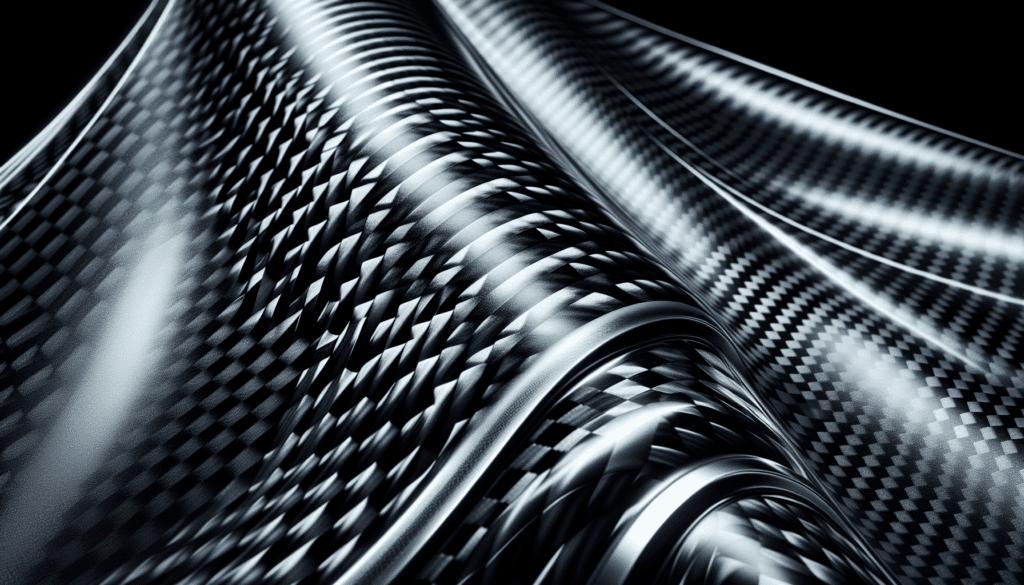
Next, let’s take a look at carbon fiber, a high-performance material that is increasingly being used in body repair. Carbon fiber is a composite material made up of carbon fibers embedded in resin. It is known for its exceptional strength-to-weight ratio, making it ideal for high-performance vehicles and sports cars.
Carbon fiber is often used in body repair for its lightweight and stiff properties. It is commonly used to reinforce structural components of a car body, such as hoods, roofs, and spoilers. Carbon fiber can also be molded into intricate shapes, providing a custom look for car enthusiasts.
Pros of Carbon Fiber:
- Lightweight
- Exceptionally strong and stiff
- Customizable shapes and designs
- High-performance material
Cons of Carbon Fiber:
- Expensive
- Requires specialized tools and techniques for repair
- Limited availability compared to other materials
While carbon fiber is a premium material with a higher price tag, its benefits in terms of performance and aesthetic appeal make it a popular choice for car enthusiasts and high-end body shops.

Aluminum
Aluminum is another material that is commonly used in body repair, particularly in the automotive industry. Aluminum is a lightweight metal that is known for its strength, durability, and corrosion resistance. It is often used in body panels, frames, and structural components of vehicles.
Aluminum is preferred for its lightweight properties, which can help improve fuel efficiency and overall performance of a vehicle. It is also highly resistant to corrosion, making it a durable choice for car bodies exposed to harsh weather conditions.
Pros of Aluminum:
- Lightweight
- Strong and durable
- Corrosion-resistant
- Improved fuel efficiency
Cons of Aluminum:
- More expensive than traditional steel
- Requires specialized equipment for repair
- Limited availability compared to steel
Overall, aluminum is a versatile material that offers several advantages for body repair, particularly in terms of weight reduction and durability. While it may come at a higher cost, the benefits of using aluminum in car bodies can outweigh the initial investment.
Steel
Steel is a traditional material that has been used in body repair for decades due to its strength, durability, and cost-effectiveness. Steel is a strong metal that is known for its impact resistance and structural integrity. It is commonly used in body panels, frames, and structural components of vehicles.
Steel is preferred for its affordability and availability compared to other materials. It is also relatively easy to repair and weld, making it a popular choice among car owners and body shops. Steel is highly durable and can withstand harsh conditions, making it a reliable choice for everyday vehicles.
Pros of Steel:
- Strong and durable
- Impact-resistant
- Cost-effective
- Easy to repair and weld
Cons of Steel:
- Heavier than aluminum and other materials
- Susceptible to corrosion if not properly treated
- Limited design flexibility compared to composites
Despite its weight and potential for corrosion, steel remains a popular choice for body repair due to its strength, durability, and cost-effectiveness. Whether you are repairing a minor dent or a major damage, steel can provide a reliable and affordable solution for your car body.
Body repair materials play a crucial role in maintaining and restoring the integrity of car bodies. Whether you are looking to repair a small dent or a major damage, it is important to choose the right material based on the specific requirements of your vehicle.
Fiberglass, carbon fiber, aluminum, and steel are just a few of the materials commonly used in body repair. Each material offers unique benefits and drawbacks, making it essential to carefully consider your options before making a decision.
By understanding the properties and uses of different body repair materials, you can make an informed choice that will ensure the longevity and performance of your vehicle. Whether you are a car enthusiast or a professional in the automotive industry, this guide has provided you with valuable insights into the world of body repair materials.