When we encounter a crack in our windshield, it is crucial for us to assess its severity before making any decisions. Windshields are not just a barrier against the elements; they play a vital role in the structural integrity of our vehicles. A small chip may seem insignificant, but it can quickly escalate into a larger crack if left unattended.
We must recognize that the location and size of the crack can significantly impact our visibility and safety while driving. For instance, cracks that extend across the driver’s line of sight can obstruct our view, making it difficult to react to road conditions or other vehicles. Moreover, we should consider the type of crack we are dealing with.
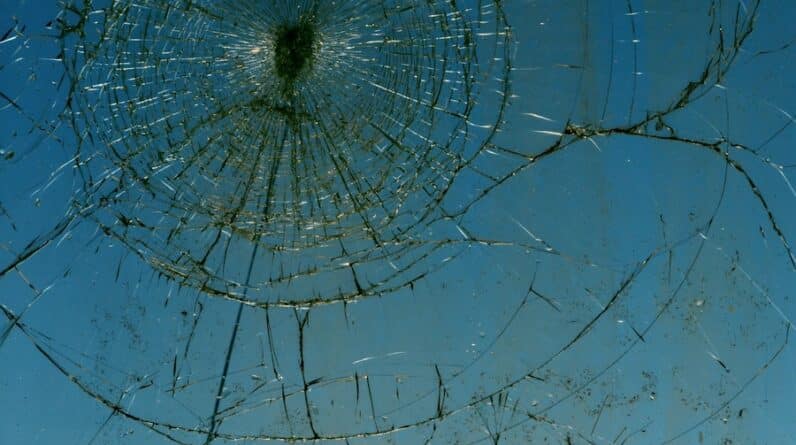
There are various forms, such as star breaks, bullseyes, and long cracks. Each type presents its own challenges and potential risks. A star break, for example, may be repairable if it is small enough, while a long crack that spans several inches may necessitate a complete windshield replacement.
By understanding the severity of the crack, we can make informed decisions about whether to repair or replace our windshield, ultimately ensuring our safety on the road.
- Understanding the Severity of the Crack
- Cracks can impair visibility and compromise the structural integrity of the windshield.
- Legal Implications of Driving with a Cracked Windshield
- Driving with a cracked windshield can result in fines and citations, depending on the severity of the crack and local laws.
- Risks and Dangers of Driving with a Cracked Windshield
- A cracked windshield can shatter upon impact, leading to serious injury or even death in the event of a collision.
- Options for Repairing a Cracked Windshield
- Repairing a crack early can prevent it from spreading and potentially save the windshield from needing a full replacement.
- Factors to Consider Before Driving with a Cracked Windshield
- Consider the size, location, and severity of the crack, as well as the weather and driving conditions before deciding to drive with a cracked windshield.
- Temporary Solutions for a Cracked Windshield
- Temporary solutions such as windshield repair kits or DIY fixes should only be used as a short-term solution until a professional repair or replacement can be made.
- Insurance Coverage for Windshield Repair or Replacement
- Many insurance policies cover windshield repair or replacement, often with no deductible, making it important to check your policy for coverage details.
- Importance of Regular Maintenance for Windshield Safety
- Regular maintenance, such as checking for chips and cracks, can help ensure the safety and integrity of the windshield while driving.
Legal Implications of Driving with a Cracked Windshield
Driving with a cracked windshield can have serious legal implications that we must not overlook. Many states have specific laws regarding vehicle safety and maintenance, including regulations about windshield integrity. If we are pulled over by law enforcement and found to be driving with a compromised windshield, we could face fines or citations.
In some cases, we may even be required to appear in court to address the violation. This not only adds to our financial burden but can also lead to points on our driving record, which may increase our insurance premiums. Additionally, we should be aware that driving with a cracked windshield could potentially affect our liability in the event of an accident.
If we are involved in a collision and it is determined that our impaired visibility due to a cracked windshield contributed to the incident, we could be held responsible for damages or injuries sustained by others. This highlights the importance of addressing any windshield issues promptly, not only for our safety but also to avoid legal repercussions that could arise from neglecting this critical aspect of vehicle maintenance.
Risks and Dangers of Driving with a Cracked Windshield

The risks associated with driving a vehicle that has a cracked windshield are numerous and significant. First and foremost, our visibility is compromised when we drive with a damaged windshield. A crack can distort our view of the road, making it difficult to see pedestrians, cyclists, or other vehicles.
This impaired visibility increases the likelihood of accidents, putting not only ourselves at risk but also other road users. We must remember that even minor distractions can lead to catastrophic outcomes when driving. In addition to visibility issues, a cracked windshield can also compromise the structural integrity of our vehicle during an accident.
The windshield is designed to support the roof of the car and help maintain its shape in the event of a rollover. If we are involved in such an accident with a compromised windshield, it may not provide the necessary protection, increasing the risk of injury or fatality. Therefore, it is essential for us to recognize that driving with a cracked windshield is not just an inconvenience; it poses real dangers that can have life-altering consequences.
Options for Repairing a Cracked Windshield
When faced with a cracked windshield, we have several options for repair that we can consider. The first step is to evaluate the size and location of the crack. If it is small and located away from the driver’s line of sight, we may be able to opt for a simple repair rather than a full replacement.
Many auto glass repair shops offer services that can fill in small cracks and chips using specialized resin, restoring the integrity of the glass without the need for replacement. If the crack is larger or more severe, we may need to consider replacing the entire windshield. While this option may be more costly, it ensures that we have a fully functional and safe windshield.
When choosing a replacement service, we should look for reputable providers who use high-quality materials and adhere to safety standards. Additionally, some companies offer mobile services that allow us to have our windshield replaced at our convenience, saving us time and hassle.
Factors to Consider Before Driving with a Cracked Windshield
Before deciding to drive with a cracked windshield, there are several factors we should take into account. First and foremost is the size and location of the crack. If it obstructs our view or is located in a critical area, such as directly in front of the driver’s seat, we should refrain from driving until it is repaired or replaced.
Additionally, we must consider local laws regarding vehicle safety; some jurisdictions may have strict regulations that could result in fines if we are caught driving with a damaged windshield. Another important factor is the potential for further damage. A small crack can quickly worsen due to temperature changes or vibrations from driving.
If we choose to ignore it, we may find ourselves facing a more extensive repair bill down the line. Furthermore, we should evaluate our own comfort level while driving with a cracked windshield; if it makes us feel uneasy or distracted, it is best to address the issue before hitting the road.
Temporary Solutions for a Cracked Windshield

Using Clear Tape as a Stopgap Measure
While waiting for a professional repair or replacement, using clear tape to cover the crack can be a temporary solution to mitigate risks associated with a cracked windshield. This can help prevent dirt and moisture from entering the crack and causing further damage while also providing some level of visibility improvement.
Windshield Repair Kits: A DIY Option
Another temporary solution involves using a windshield repair kit available at many auto parts stores. These kits typically include resin and tools designed for filling small cracks or chips ourselves. While this option may not provide as effective a repair as professional services, it can help stabilize the crack until we can arrange for proper repairs.
Important Reminders
Regardless of which temporary solution we choose, it is essential to remember that these measures are not substitutes for professional intervention and should only be used as short-term fixes.
Insurance Coverage for Windshield Repair or Replacement
Understanding our insurance coverage regarding windshield repair or replacement is crucial for us as vehicle owners. Many insurance policies include provisions for glass coverage, which can significantly reduce out-of-pocket expenses when dealing with cracked windshields. Depending on our policy and deductible amounts, we may find that repairs are covered entirely without any cost to us if we act quickly.
It is advisable for us to review our insurance policy details or contact our insurance provider directly to clarify what is covered regarding windshield damage. Some insurers even offer specific glass coverage options that allow us to have repairs done without affecting our overall premium rates. By being informed about our coverage options, we can make better decisions about how to address any cracks in our windshields without incurring unnecessary costs.
Importance of Regular Maintenance for Windshield Safety
Regular maintenance plays an essential role in ensuring our windshields remain safe and functional over time. We should make it a habit to inspect our windshields periodically for any signs of damage or wear. This proactive approach allows us to catch small issues before they escalate into larger problems that require costly repairs or replacements.
Additionally, maintaining proper windshield wipers and ensuring they are in good condition can enhance visibility during adverse weather conditions. We should also keep our windshields clean and free from debris that could obstruct our view while driving. By prioritizing regular maintenance and being vigilant about any potential issues, we can significantly improve our safety on the road and extend the lifespan of our windshields.
In conclusion, understanding the severity of cracks in our windshields is vital for ensuring both legal compliance and personal safety while driving. We must weigh the risks associated with driving with damaged glass against available repair options and insurance coverage before making decisions about how to proceed. By taking proactive steps toward maintenance and addressing issues promptly, we can protect ourselves and others on the road while enjoying peace of mind behind the wheel.
If you are wondering whether you can drive with a cracked windshield, it is important to consider the safety implications. According to a recent article on autobodyrepairhq.com, driving with a cracked windshield can compromise the structural integrity of your vehicle and increase the risk of injury in the event of an accident. It is recommended to have any cracks or chips repaired by a professional auto body repair shop, such as the ones listed in Tempe, Arizona, Lubbock, Texas, or Seattle, Washington.
FAQs
Is it legal to drive with a cracked windshield?
In most states, it is illegal to drive with a cracked windshield that obstructs the driver’s view. The size and location of the crack will determine if it is legal to drive with it.
Can a cracked windshield be dangerous?
Yes, a cracked windshield can be dangerous as it compromises the structural integrity of the windshield. It can also obstruct the driver’s view, increasing the risk of accidents.
Can a cracked windshield be repaired?
In many cases, a cracked windshield can be repaired by a professional using specialized techniques and materials. However, if the crack is too large or in a critical area, the windshield may need to be replaced.
How much does it cost to repair or replace a cracked windshield?
The cost of repairing or replacing a cracked windshield can vary depending on the size and location of the crack, the type of vehicle, and the service provider. Generally, repairing a crack is less expensive than replacing the entire windshield.
What should I do if I have a cracked windshield?
If you have a cracked windshield, it is best to have it inspected by a professional as soon as possible. They can assess the damage and recommend the appropriate course of action, whether it’s repair or replacement.