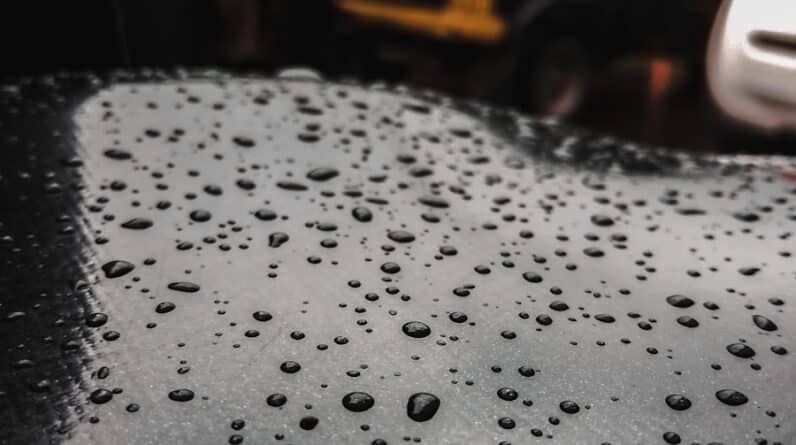
As we navigate through the seasons, we often overlook the profound impact that weather conditions can have on our vehicles. Each change in temperature, humidity, or precipitation can lead to a variety of auto repair issues that, if not addressed, can escalate into more significant problems. Understanding how different weather conditions affect our cars is crucial for maintaining their performance and longevity.
By being aware of these factors, we can take proactive measures to ensure our vehicles remain in optimal condition, regardless of the climate. In this article, we will explore the various ways in which weather influences auto repairs. From the effects of extreme temperatures on batteries and electrical systems to the impact of rain and humidity on brakes and tires, we will delve into the intricacies of how our vehicles respond to environmental changes.
By gaining insight into these relationships, we can better prepare ourselves for the challenges that come with each season and make informed decisions about our vehicle maintenance.
- Weather conditions can have a significant impact on auto repairs, affecting various parts of the vehicle.
- Extreme temperatures can lead to car battery and electrical system issues, requiring regular maintenance and checks.
- Rain and humidity can affect brakes and tires, leading to reduced performance and safety concerns.
- Cold weather can impact engine performance and fluids, requiring proper maintenance and care to prevent damage.
- Hot weather can affect cooling systems and air conditioning, leading to potential overheating and discomfort for passengers.
How Extreme Temperatures Affect Car Batteries and Electrical Systems
Extreme temperatures can wreak havoc on car batteries and electrical systems, leading to unexpected breakdowns and costly repairs. In cold weather, the chemical reactions within a battery slow down, reducing its ability to hold a charge. This is why we often find ourselves struggling to start our cars on frigid mornings.
The battery’s capacity diminishes, making it more susceptible to failure. Additionally, the thickening of engine oil in low temperatures can put extra strain on the battery as it works harder to turn over the engine. Conversely, high temperatures can also be detrimental to battery health.
Heat accelerates the evaporation of the electrolyte solution within the battery, leading to a decrease in performance and lifespan. Furthermore, excessive heat can cause internal components to corrode more rapidly, resulting in potential electrical failures. As we experience these temperature extremes, it becomes essential for us to monitor our batteries closely and consider regular maintenance checks to ensure they are functioning optimally.
The Impact of Rain and Humidity on Brakes and Tires

Rain and humidity present unique challenges for our vehicles, particularly concerning brakes and tires. When roads are wet, the risk of hydroplaning increases significantly. This occurs when a layer of water builds up between the tires and the road surface, causing a loss of traction.
As a result, our stopping distances can increase dramatically, making it crucial for us to ensure that our tires are in good condition with adequate tread depth. Regularly checking tire pressure is also essential, as humidity can cause fluctuations that affect handling and safety. Moreover, moisture from rain and humidity can lead to rust formation on brake components.
When water seeps into brake calipers or rotors, it can create an environment conducive to corrosion. This not only compromises braking efficiency but can also lead to more severe issues if left unchecked. To mitigate these risks, we should be diligent about inspecting our brakes regularly and addressing any signs of wear or rust promptly.
Cold Weather and its Effects on Engine Performance and Fluids
Cold weather poses significant challenges for engine performance and fluid functionality. When temperatures drop, engine oil thickens, making it more difficult for the engine to turn over and operate efficiently. This increased viscosity can lead to sluggish performance during startup and may even result in engine wear over time if not addressed.
Additionally, coolant fluids can become less effective in extreme cold, potentially leading to overheating issues once the engine warms up. Furthermore, fuel lines can freeze in frigid temperatures, causing fuel delivery problems that may leave us stranded. To combat these issues, we should consider using winter-grade oil and ensuring that our coolant system is properly maintained with antifreeze solutions.
Regularly checking fluid levels and replacing them as needed can help us avoid the pitfalls associated with cold weather driving.
The Role of Hot Weather in Affecting Cooling Systems and Air Conditioning
Hot weather brings its own set of challenges for our vehicles, particularly concerning cooling systems and air conditioning units. As temperatures rise, the demand on the cooling system increases significantly. The radiator must work harder to dissipate heat from the engine, which can lead to overheating if there are any underlying issues such as leaks or blockages.
We must be vigilant about monitoring coolant levels and ensuring that our cooling systems are functioning correctly to prevent catastrophic engine damage. Additionally, air conditioning systems are put under considerable strain during hot weather. High temperatures can cause refrigerant levels to drop or lead to compressor failure if not properly maintained.
Regularly servicing our air conditioning units ensures that they operate efficiently when we need them most. By being proactive about cooling system maintenance during hot months, we can enhance our driving comfort while safeguarding our vehicles against potential overheating issues.
Weather-Related Auto Body Damage and Corrosion

Weather conditions can also lead to significant auto body damage and corrosion over time. Rain, snow, and ice can contribute to rust formation on exposed metal surfaces if proper protective measures are not taken. Road salt used during winter months is particularly notorious for accelerating corrosion on vehicle undercarriages and body panels.
This not only affects the aesthetic appeal of our cars but can also compromise structural integrity if left unaddressed. To combat weather-related damage, we should consider regular washing and waxing of our vehicles to create a protective barrier against moisture and contaminants. Additionally, applying rust-proofing treatments can help safeguard vulnerable areas from corrosion.
By taking these preventative measures, we can extend the life of our vehicle’s exterior and maintain its value over time.
Weather-Induced Road Conditions and Their Impact on Suspension and Alignment
Weather-induced road conditions significantly impact vehicle suspension systems and alignment. Rain can create potholes or wash away road surfaces, leading to uneven terrain that puts additional stress on suspension components. When we hit a pothole or navigate through rough patches caused by inclement weather, it can throw off our vehicle’s alignment, resulting in uneven tire wear and compromised handling.
Moreover, snow and ice can create slippery conditions that require us to make sudden stops or sharp turns, further straining suspension systems. Regularly inspecting suspension components for wear and tear is essential for maintaining safe driving conditions during adverse weather. By addressing alignment issues promptly and ensuring that our suspension systems are in good condition, we can enhance our vehicle’s stability and performance on challenging road surfaces.
Tips for Preventing and Addressing Weather-Related Auto Repairs
To prevent weather-related auto repairs, we should adopt a proactive approach to vehicle maintenance throughout the year. Regular inspections are key; checking fluid levels, battery health, tire condition, brakes, and suspension components can help us identify potential issues before they escalate into costly repairs. Keeping a maintenance schedule tailored to seasonal changes ensures that we are prepared for whatever weather conditions may arise.
Additionally, investing in quality products such as all-weather tires or rust-proofing treatments can provide added protection against the elements. We should also be mindful of driving habits during inclement weather; avoiding sudden maneuvers and maintaining safe distances can reduce stress on our vehicles while enhancing safety on the road. In conclusion, understanding how weather conditions affect our vehicles is essential for maintaining their performance and longevity.
By being proactive about maintenance and addressing potential issues promptly, we can navigate through all seasons with confidence in our vehicles’ reliability.
Weather conditions can indeed have a significant impact on the complexity and frequency of certain auto repairs. In fact, a recent article on autobodyrepairhq.com discusses how extreme weather conditions can lead to increased wear and tear on vehicles, resulting in more frequent and complex repairs. This highlights the importance of staying on top of regular maintenance and addressing any issues promptly to avoid costly repairs down the line.
FAQs
What are some examples of auto repairs that can be influenced by weather conditions?
Some examples of auto repairs that can be influenced by weather conditions include issues with the car’s battery, tires, brakes, and cooling system. Extreme temperatures, precipitation, and road conditions can all impact the complexity and frequency of these repairs.
How can weather conditions affect the complexity of auto repairs?
Weather conditions can affect the complexity of auto repairs by causing certain components to wear out more quickly or fail altogether. For example, extreme heat can lead to battery failure, while cold temperatures can affect the performance of the car’s cooling system.
Can weather conditions impact the frequency of certain auto repairs?
Yes, weather conditions can impact the frequency of certain auto repairs. For example, driving on rough or icy roads can lead to increased wear and tear on the car’s suspension and tires, resulting in more frequent repairs.
What steps can car owners take to mitigate the impact of weather conditions on auto repairs?
Car owners can take steps to mitigate the impact of weather conditions on auto repairs by performing regular maintenance, such as checking tire pressure, testing the battery, and inspecting the cooling system. Additionally, driving cautiously in extreme weather conditions can help reduce the risk of damage to the vehicle.