Car Body Repair Pricing in Frisco
Estimating the cost of car body repair in Frisco, Texas, is akin to navigating a labyrinth with a constantly shifting floor plan. The price you ultimately pay is not a single, fixed beacon, but rather a constellation of factors, each twinkling with its own distinct influence.
This guide aims to illuminate the path, providing you with a factual understanding of what underpins car body repair pricing in Frisco, empowering you to approach this often daunting process with informed expectations.
The most fundamental determinant of car body repair pricing is, naturally, the extent and complexity of the damage your vehicle has sustained. A minor fender bender that leaves a barely perceptible scratch on your bumper will command a significantly different price tag than a collision that has twisted a quarter panel or shattered a headlight assembly.
Minor Cosmetic Imperfections
These are the surface-level blemishes that, while aesthetically displeasing, do not compromise the structural integrity or drivability of your vehicle.
Scratches and Scuffs
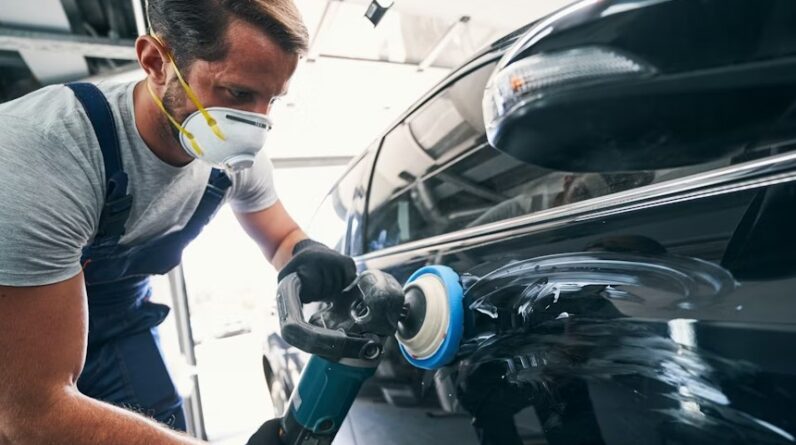
The pricing for scratches and scuffs can vary based on their depth and length. A shallow, clear coat scratch might only require a buff and polish, a relatively inexpensive touch. However, a deep scratch that penetrates to the primer or even the metal beneath necessitates color matching, primer application, and clear coat refinishing.
The size of the affected area also plays a role; a small door ding is a different beast than a long scratch running the length of a vehicle. The paint technology used by the manufacturer – from basic single-stage paints to multi-stage metallics and pearlescents – also influences color matching difficulty and, consequently, cost.
Dents and Ding Repair
These are common incidents, often caused by rogue shopping carts or errant door openings.
Paintless Dent Repair (PDR)
For minor dents where the paint is not damaged, Paintless Dent Repair (PDR) is often the most cost-effective solution. PDR technicians use specialized tools to gently massage the metal back into its original shape from behind the panel. The price for PDR is typically determined by the size, location, and complexity of the dent.
A small, easily accessible ding might cost under $100, while larger, more intricate dents on body lines or in hard-to-reach areas can cost several hundred dollars. This method is a surgical strike on the dent, preserving the original paintwork.
Traditional Dent Repair
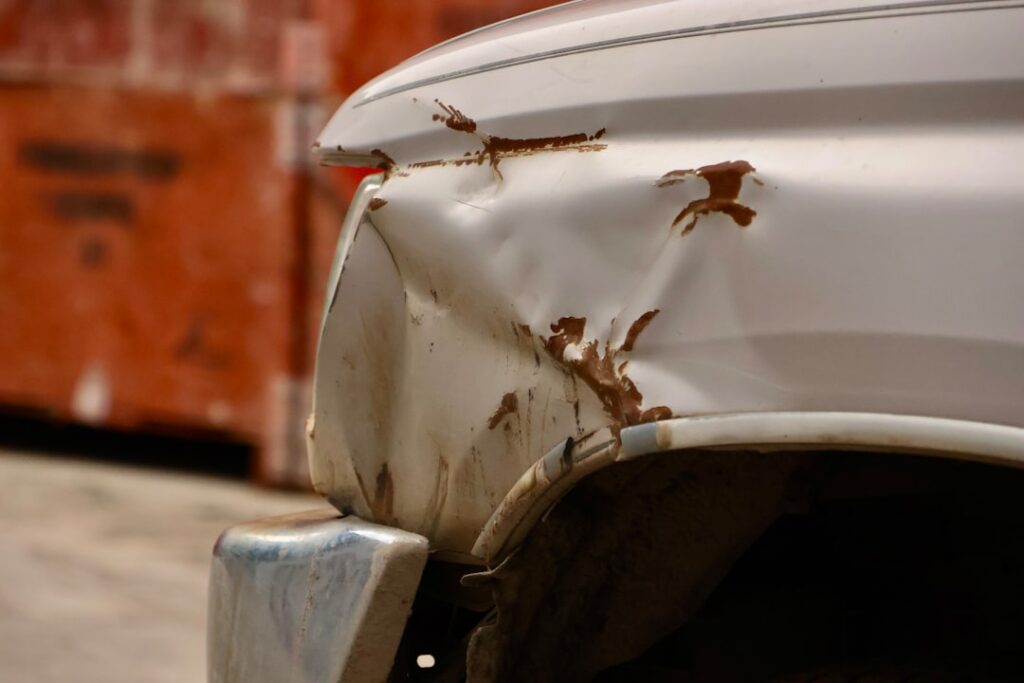
When paint damage is present or the dent is too severe for PDR, traditional dent repair becomes necessary. This involves filling the dent with body filler, sanding it smooth, priming, and then repainting the affected area. The cost will include labor for these steps, paint, and materials, as well as the complexity of achieving a seamless blend with the surrounding original paint.
Moderate Damage Scenarios
When the damage extends beyond mere surface imperfections, the repair costs naturally escalate.
Panel Damage (Fenders, Doors, Hoods)
Damage to individual body panels often requires more than just cosmetic intervention.
Minor Panel Dents and Dings
Even on larger panels, minor dents that do not involve creasing or paint damage can sometimes be addressed with PDR. However, if the metal is creased or the paint is compromised, traditional repair methods will be employed. The cost will depend on the panel’s complexity (e.g., a heavily contoured fender versus a flat hood) and the severity of the deformation.
Replacing Damaged Panels
In cases of severe damage where a panel is beyond repair, replacement is the only viable option. The cost here is twofold: the price of the new OEM (Original Equipment Manufacturer) or aftermarket panel, and the labor for its installation, fitting, and painting. OEM panels are typically more expensive than aftermarket alternatives but offer a guaranteed fit and finish.
Aftermarket panels can be a more budget-friendly option, but their quality can vary, and they may require more adjustment to achieve a perfect fit. Replacing a panel is like swapping out a faulty organ; it requires precision to ensure the entire system functions seamlessly.
Bumper Cover Repair or Replacement
Bumpers are designed to absorb impact and, consequently, are frequently the first point of contact in many collisions.
Repairing Cracked or Punctured Bumpers
Many plastic bumper covers can be repaired through welding or specialized bonding agents, especially if the damage is not extensive. The cost will factor in the material used for the repair, the labor involved in preparing the surface, applying the repair material, and then refinishing the bumper.
Replacing Bumper Covers
If a bumper cover is severely cracked, shattered, or deformed, replacement is often recommended. Similar to panel replacement, this involves the cost of the new bumper cover (OEM or aftermarket) and the labor for its installation and painting. Many modern bumpers also include sensors for parking assistance or adaptive cruise control, and if these are damaged or displaced, their repair or recalibration will increase the overall cost.
Severe Structural Damage
This category represents the most significant repairs, impacting the foundational elements of your vehicle.
Frame and Unibody Damage
Damage to the vehicle’s frame or unibody structure is the most serious and expensive type of auto body repair.
Frame Straightening and Alignment
Modern vehicles often use unibody construction, in which the body and frame are integrated. Any significant impact can cause these structural components to bend or twist. Repairing this requires sophisticated equipment, such as a frame machine or a unibody straightening bench, to pull the metal back into its original specifications.
This is a highly specialized and labor-intensive process, as precise measurements and angles are critical to restoring the vehicle’s structural integrity and ensuring proper alignment, which is paramount for safe driving. A misaligned frame is like a house with a crooked foundation – its stability is compromised.
Repairing Compromised Structural Components
Beyond straightening, some structural components may need to be cut out and replaced, typically with new, factory-specification parts. This involves cutting, welding, and reinforcing the affected areas to meet safety standards. The cost here is driven by the complexity of the repair, the materials used, and the extensive labor required to ensure the vehicle is as safe as it was before the accident.
When considering car body repair pricing in Frisco, it’s essential to stay informed about the latest trends and innovations in the automotive repair industry. A related article that provides valuable insights into these developments is available at this link: Exploring Current Trends and Innovations Shaping Car Maintenance and Service. This resource can help you understand how advancements in technology and customer service are influencing repair costs and overall vehicle maintenance.
Factors Influencing Labor Rates and Material Costs
Beyond the basic damage assessment, several external factors contribute to the final price tag of car body repairs in Frisco.
Frisco’s Cost of Living and Market Dynamics
Frisco, like many thriving suburban areas in the Dallas-Fort Worth metroplex, has a higher cost of living compared to more rural regions. This directly impacts the operational expenses for auto body shops, including rent, utilities, and employee wages.
Overhead Costs for Repair Shops
Auto body shops incur high overhead costs. These include maintaining specialized equipment like frame machines, paint booths, and diagnostic tools, as well as insurance, licensing, and marketing. These costs are factored into the labor rates charged to customers. A shop that invests in cutting-edge technology and advanced training for its technicians will naturally have higher operating expenses.
Geographic Location within Frisco
Even within Frisco, there can be slight variations in pricing based on the specific neighborhood or commercial zone. Shops located in prime, high-traffic areas might command slightly higher labor rates due to increased demand and higher property values.
Shop Reputation and Specialization
The reputation and specific expertise of an auto body shop can significantly influence pricing.
Dealership vs. Independent Shops
Dealership-affiliated body shops often charge higher labor rates than independent shops. This is generally attributed to the dealership’s brand overhead, specialized training on their specific makes and models, and the use of OEM parts exclusively. Independent shops may offer more competitive pricing, but it’s crucial to research their reputation and certifications to ensure quality artistry.
Certified Technicians and Certifications
Shops employing technicians with I-CAR (Inter-Industry Conference on Auto Collision Repair) certifications or manufacturer-specific certifications often command higher rates. These certifications indicate a higher level of skill, knowledge, and adherence to industry best practices, translating into more reliable and potentially safer repairs. The investment in these certifications is passed on to consumers through higher labor costs.
Specializing in Certain Types of Repairs
Some shops may specialize in specific types of repairs, such as luxury vehicle brands, classic car restoration, or advanced paint techniques. These specialized services often come with a premium due to the niche expertise and specialized equipment required.
The Role of Parts: OEM vs. Aftermarket vs. Used
The choice of replacement parts is a critical cost driver in car body repair.
Original Equipment Manufacturer (OEM) Parts
OEM parts are manufactured by or for the original vehicle manufacturer. They are typically the most expensive option but offer the assurance of a perfect fit, direct compatibility, and adherence to the manufacturer’s quality and safety standards. For vehicles under warranty, using OEM parts may be required to maintain the warranty.
Aftermarket Parts
Third-party companies manufacture aftermarket parts. They can be significantly less expensive than OEM parts. However, the quality, fit, and finish of aftermarket parts can vary widely. It’s essential to choose reputable aftermarket brands to avoid potential fitment issues or compromised durability.
Used or Salvaged Parts
For older vehicles or less critical components, used or salvaged parts from a junkyard or salvage yard can be a cost-effective solution. However, the condition of these parts must be carefully assessed, and there is no guarantee of their longevity. Using salvaged parts is like buying a pre-owned garment; its condition is paramount.
The Impact of Paint and Refinishing
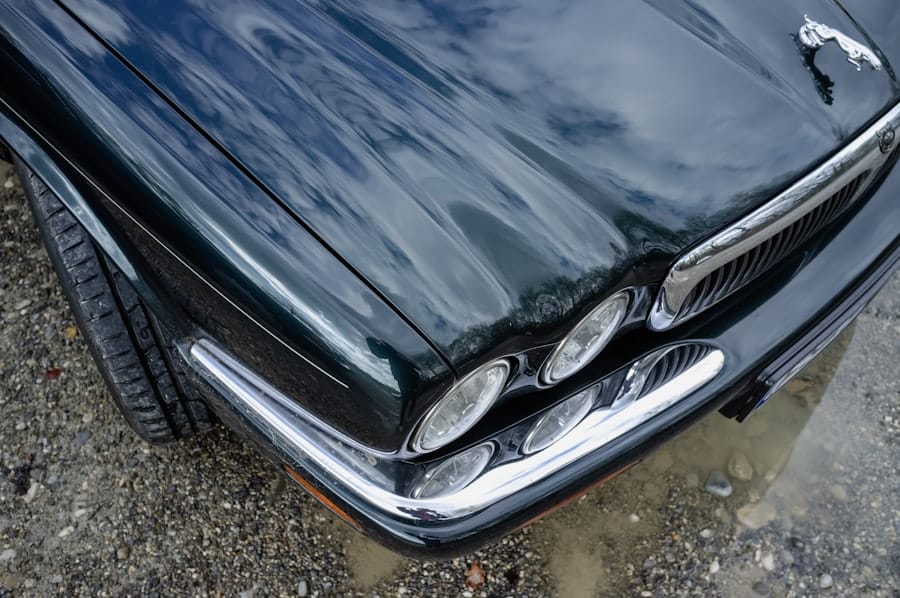
The painting process is an art form in itself and a significant contributor to the overall cost of car body repair.
Paint Quality and Type
The type and quality of paint used directly affect the price.
Water-Based vs. Solvent-Based Paints
Modern automotive paints are predominantly water-based or solvent-based. While water-based paints are more environmentally friendly, both have different application requirements and associated costs. The specific formulation and brand of paint also influence price.
Single-Stage vs. Basecoat/Clearcoat Systems
Single-stage paints contain both color and gloss in one layer, making them generally less expensive. Basecoat/clearcoat systems consist of a colored basecoat followed by a protective clearcoat. This is the more common system for modern vehicles, offering superior durability, depth, and gloss, but at a higher material cost.
Color Matching Complexity
Achieving a seamless color match between new paint and the existing original paint is a crucial yet often challenging aspect of car body repair.
Manufacturer Paint Codes
Every vehicle manufacturer assigns specific paint codes to their colors. However, even within the same paint code, variations can occur due to factors like sun fading over time or differences in application during manufacturing.
Blending and Feathering Techniques
Professional paint technicians use advanced techniques such as blending and feathering to transition the new paint into the original paintwork seamlessly. This ensures that the repair is virtually undetectable. The labor required to achieve a perfect, invisible match is a significant component of the overall paint cost.
Labor and Equipment for Painting
The painting process requires specialized equipment and skilled labor.
Paint Booth and Ventilation Systems
Reputable body shops use downdraft paint booths that provide a clean, dust-free environment and proper ventilation, ensuring a flawless finish and protecting technicians from harmful fumes. The cost of these specialized facilities is factored into the labor rates.
Application Tools and Techniques
Skilled technicians use high-quality spray guns and apply paint in thin, even coats, often requiring multiple layers for optimal coverage and finish. This meticulous process, driven by expertise, adds to the labor cost.
Associated Repair Costs Beyond the Body Panels
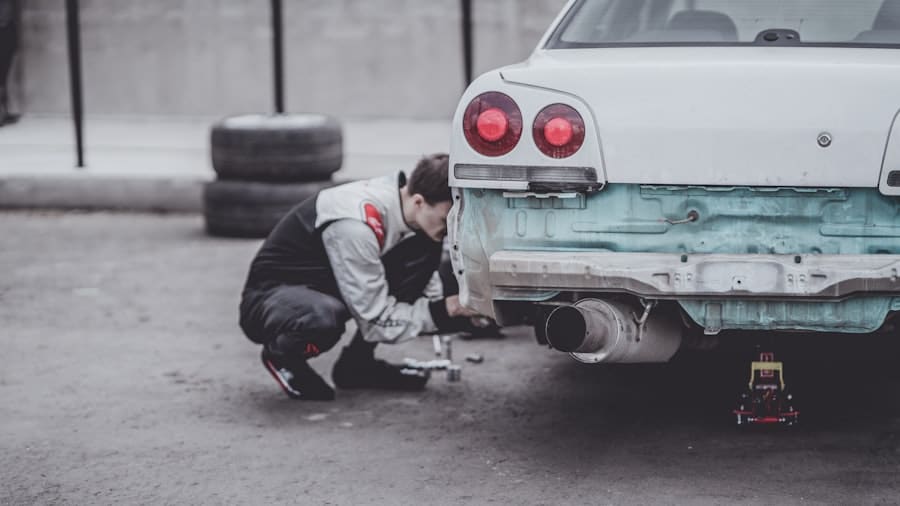
Car body damage can sometimes trigger a cascade of additional repairs, increasing overall costs.
Sensor and Electronic Component Integration
Modern vehicles are increasingly equipped with sophisticated sensors and electronic components.
Parking Sensors and Cameras
Many vehicles have parking sensors integrated into the bumpers and the front/rear fascias. If these are damaged or dislodged, they will need to be repaired, recalibrated, or replaced. The cost of these components can be substantial, and their precise calibration is essential for proper functionality.
Advanced Driver-Assistance Systems (ADAS)
Features like adaptive cruise control, lane departure warning, and blind-spot monitoring rely on various sensors, radar units, and cameras. Damage to these systems requires specialized diagnostic equipment and recalibration by trained technicians. The cost of these calibrations alone can be hundreds of dollars.
Lighting and Electrical Components
Damage can extend to headlights, taillights, and associated electrical wiring.
Headlight and Taillight Assembly Replacement
Beyond the cosmetic appearance, headlights and taillights contain bulbs, lenses, and internal reflectors. If these are damaged, they often need to be replaced entirely. The cost of headlight and taillight assemblies can vary significantly by vehicle make and model, with LED and adaptive lighting systems costing more.
Wiring Harness and Electrical Repairs
Impacts can damage the intricate wiring harnesses that connect various electrical components. Repairing or replacing these harnesses can be labor-intensive, especially if the damage is extensive or in hard-to-access areas.
Mechanical Component Damage Due to Impact
In more severe collisions, underlying mechanical components can also be affected.
Suspension and Steering Components
A significant impact, particularly to a wheel or fender, can compromise suspension and steering components such as control arms, tie rods, and wheel bearings. These repairs necessitate alignment checks and can significantly increase the overall repair bill.
Radiator and Cooling System Damage
Front-end collisions can often damage the radiator, condenser, or other components of the vehicle’s cooling system. Leaks and malfunctions in these systems require prompt repair to prevent engine overheating, adding to the cost of body repair. A compromised cooling system is a ticking time bomb for your engine.
When considering car body repair pricing in Frisco, it’s essential to understand the various factors that can influence costs, such as the extent of damage and the type of repair needed.
For those seeking insights into auto body repair services, a related article on the best auto body repair options in Oakland, California, offers valuable guidance to help you make informed decisions. You can read more about it here. This resource can provide a broader perspective on pricing and service quality, which may be helpful when comparing local repair shops.
Getting an Accurate Estimate and Negotiating
If your repair is covered by insurance, understanding the process is crucial.
Working with Your Insurance Adjuster
Your insurance company will typically assign an adjuster to assess the damage. They will work with the body shop to determine the repair cost. Understanding your policy’s coverage and deductible is paramount.
The Role of the Deductible
Your deductible is the amount you are responsible for paying out-of-pocket before your insurance coverage kicks in. This is a fixed amount determined by your policy. Be aware of your deductible when comparing estimates, as your out-of-pocket expense will be the estimate minus your deductible (if applicable).
The pricing of car body repair in Frisco is a complex equation with multiple variables. By thoroughly understanding the scope of damage, the factors influencing labor and material costs, the intricacies of paint and refinishing, and the potential for associated repairs, you can approach this process with greater confidence and achieve a satisfactory outcome for your vehicle.
Remember, a well-informed consumer is a powerful consumer, capable of navigating the labyrinth of car body repair pricing with a clear understanding of the path ahead.
FAQs
What factors influence car body repair pricing in Frisco?
Car body repair pricing in Frisco is influenced by factors such as the extent of damage, the type of vehicle, required parts, labor costs, and the repair shop’s location and reputation.
How is the cost of car body repair typically estimated?
The cost is usually estimated through a detailed inspection of the vehicle, assessing damage severity, parts replacement needs, and labor hours. Many shops provide written quotes after evaluation.
Are there price differences between independent shops and dealerships in Frisco?
Yes, independent repair shops often offer more competitive pricing compared to dealerships, which may charge higher rates due to brand specialization and overhead costs.
Does insurance cover car body repair costs in Frisco?
Insurance coverage depends on the policy and the nature of the damage. Comprehensive and collision coverage typically helps pay for repairs, minus deductibles. It’s essential to check with your insurer.
Can I get a warranty on car body repairs in Frisco?
Many reputable repair shops in Frisco offer warranties on their craftsmanship and parts, often ranging from 6 months to several years. Always confirm warranty details before proceeding.
Maps Of Frisco, Texas
Weather In Frisco, Texas
[simple-weather location=”Frisco, Texas”]
Here is one Car Body Repair Pricing in Frisco
Frisco Auto Body
Auto body shop
5+ years in business · 1949 Witt Rd
+1 972-505-6822
Advanced Auto Hail & Collision Repair
Auto body shop
3+ years in business · 15222 King Rd suite 1102
+1 469-237-1651
Frisco Paint & Body Inc.
Auto body shop
10+ years in business · 7059 Main St
+1 972-335-3515