Collision Avoidance Technology: Innovations for Protecting Your Investment
Have you ever wondered how you can better protect your investment, whether it’s your vehicle, equipment, or even yourself? Collision avoidance technology may just be the answer you’re looking for. In this article, we will explore the latest innovations in collision avoidance technology and how they can help you avoid costly accidents and keep you safe on the road or at work.
What is Collision Avoidance Technology?
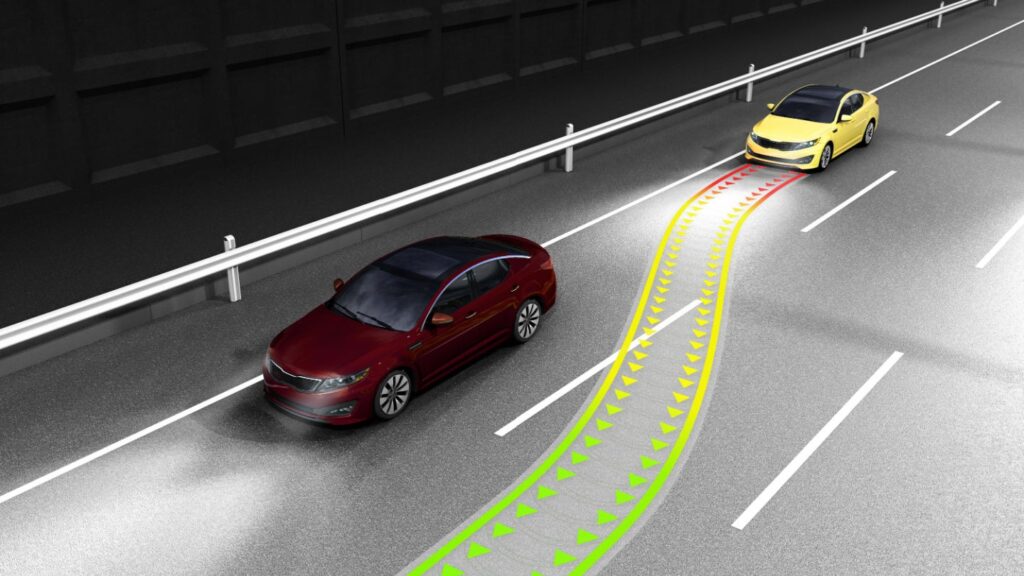
When it comes to collision avoidance technology, you may be wondering what exactly it is and how it works. Simply put, collision avoidance technology refers to systems and devices that are designed to help prevent accidents by alerting the driver or operator of potential dangers. These technologies use sensors, cameras, and other tools to monitor the surrounding environment and warn the driver of possible collisions.
Imagine driving down the road and suddenly a car cuts you off. Collision avoidance technology can detect the sudden change in distance and speed between you and the car in front of you, and alert you to brake or take evasive action to avoid a rear-end collision.
Why is Collision Avoidance Technology Important?
In today’s fast-paced world, where distractions abound and traffic congestion is a common occurrence, collision avoidance technology plays a crucial role in keeping you safe on the road. Whether you’re a professional truck driver, a fleet manager, or a regular commuter, having collision avoidance technology in your vehicle can help you avoid accidents, reduce damage to your vehicle, and prevent injuries.
By investing in collision avoidance technology, you’re not only protecting your investment in your vehicle or equipment but also ensuring the safety of yourself and others on the road. In a split second, these systems can make a life-saving difference by warning you of potential dangers and giving you the opportunity to take corrective action.
Types of Collision Avoidance Technology
There are several types of collision avoidance technology available on the market today, each offering unique features and benefits. Let’s take a look at some of the most common types of collision avoidance technology and how they can help you stay safe on the road or at work.
1. Forward Collision Warning Systems
Forward collision warning systems are designed to alert the driver when they are at risk of colliding with the vehicle in front of them. These systems use sensors, cameras, or radar to monitor the distance and speed between your vehicle and the one ahead, and will issue a warning if a collision is imminent.
These systems are especially helpful in heavy traffic situations or when driving at high speeds, where the risk of rear-end collisions is high. By providing an early warning to the driver, forward collision warning systems can help prevent accidents and reduce the severity of collisions.
2. Automatic Emergency Braking
Automatic emergency braking goes one step further than forward collision warning systems by automatically applying the brakes if a collision is unavoidable. This technology is designed to enhance the driver’s response time in emergency situations and reduce the impact of a collision.
Automatic emergency braking systems are becoming increasingly common in new vehicles, as automakers recognize the potential for reducing accidents and saving lives. By taking over the braking function when needed, these systems can help prevent accidents caused by human error or inattention.
3. Blind Spot Detection
Blind spot detection systems use sensors or cameras to monitor the areas around your vehicle that are not visible in your rearview or side mirrors. When a vehicle enters your blind spot, the system will issue a warning to alert you to the potential danger.
Blind spot detection systems are especially useful when changing lanes on the highway or in heavy traffic, where the risk of collisions due to blind spots is high. By providing an extra set of eyes on the road, these systems can help you avoid accidents and stay safe while driving.
4. Lane Departure Warning Systems
Lane departure warning systems are designed to alert the driver when they drift out of their lane without signaling. These systems use cameras to monitor the lane markings on the road and will issue a warning if the vehicle starts to veer out of its lane.
Lane departure warning systems are especially helpful for long drives or when driving at night, when driver fatigue or distraction can lead to unintentional lane departures. By providing an audible or visual warning to the driver, these systems can help prevent accidents caused by drifting out of lanes.
Benefits of Collision Avoidance Technology
Now that we’ve looked at some of the common types of collision avoidance technology, let’s explore the benefits of investing in these systems for your vehicle or equipment. By understanding the advantages of collision avoidance technology, you can make an informed decision on how to best protect your investment and stay safe on the road or at work.
1. Prevent Accidents
One of the primary benefits of collision avoidance technology is its ability to prevent accidents before they happen. By alerting you to potential dangers and giving you time to react, these systems can help you avoid collisions with other vehicles, pedestrians, or obstacles on the road.
2. Reduce Damage
In the event that a collision cannot be avoided, collision avoidance technology can help reduce the severity of the impact and minimize damage to your vehicle or equipment. By automatically applying the brakes or warning you of a potential collision, these systems can help lessen the financial and physical impact of accidents.
3. Save Lives
Perhaps the most important benefit of collision avoidance technology is its potential to save lives. By alerting you to dangerous situations and giving you time to take evasive action, these systems can help prevent injuries and fatalities in accidents. Whether you’re on the road or at work, having collision avoidance technology can make a life-saving difference.
4. Lower Insurance Costs
Many insurance companies offer discounts for vehicles equipped with collision avoidance technology, as these systems have been shown to reduce the likelihood of accidents and claims. By investing in these systems, you can lower your insurance premiums and save money in the long run.
How to Choose the Right Collision Avoidance Technology
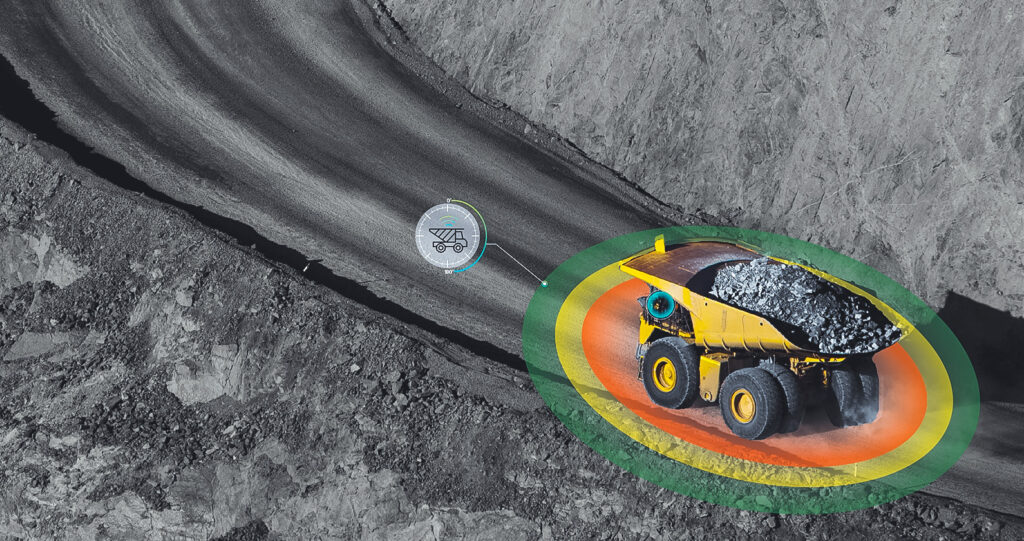
With so many options available, choosing the right collision avoidance technology for your vehicle or equipment can be a daunting task. To help you make an informed decision, here are some key factors to consider when selecting a collision avoidance system:
1. Compatibility
Before purchasing collision avoidance technology, make sure it is compatible with your vehicle or equipment. Some systems may require specific hardware or software to function properly, so be sure to check compatibility before making a purchase.
2. Features
Consider the features offered by different collision avoidance systems and choose one that best suits your needs. Whether you’re looking for basic collision warning alerts or more advanced automatic braking functions, make sure the system has the features you need to stay safe on the road or at work.
3. Cost
While collision avoidance technology can be a valuable investment, it’s important to consider the cost of the system and weigh it against the potential benefits. Compare prices from different manufacturers and consider the long-term savings in insurance premiums and accident prevention.
4. Installation
Depending on the type of collision avoidance technology you choose, installation may require professional assistance or specialized tools. Be sure to factor in the installation costs and any additional equipment needed to ensure the system is properly installed and functioning correctly.
Conclusion
In conclusion, collision avoidance technology is a valuable tool for protecting your investment and staying safe on the road or at work. By investing in these innovative systems, you can prevent accidents, reduce damage, save lives, and lower insurance costs. With a wide range of options available, choosing the right collision avoidance technology for your needs is essential to ensuring your safety and the safety of others. Remember to consider compatibility, features, cost, and installation when selecting a collision avoidance system, and enjoy the peace of mind that comes with knowing you have taken steps to protect yourself and your investment. Stay safe out there!