When you find yourself involved in a car accident, the aftermath can be overwhelming. Understanding collision car repair is crucial for navigating this challenging experience. Collision repair refers to the process of restoring a vehicle that has been damaged in an accident to its pre-accident condition.
This can involve a range of services, from minor cosmetic fixes to extensive structural repairs. The goal is not only to make the car look good again but also to ensure that it is safe and functional for you to drive. The collision repair process typically begins with an assessment of the damage.
This involves a thorough inspection of the vehicle to identify all areas that require attention. You may be surprised to learn that damage can extend beyond what is immediately visible. For instance, while the exterior may show dents and scratches, internal components such as the frame, suspension, and even electrical systems could also be affected.
Understanding this complexity can help you appreciate the importance of choosing a qualified repair shop that can address all aspects of the damage.
- Collision car repair involves fixing damage to a vehicle caused by a collision or accident.
- Assessing damage after a collision is crucial to determine the extent of repairs needed and the cost involved.
- Choosing the right collision repair shop is important for quality and reliable repairs.
- The process of collision car repair includes assessing damage, obtaining estimates, and completing the necessary repairs.
- Dealing with insurance companies for collision repair involves understanding coverage, filing claims, and working with adjusters.
Assessing Damage After a Collision
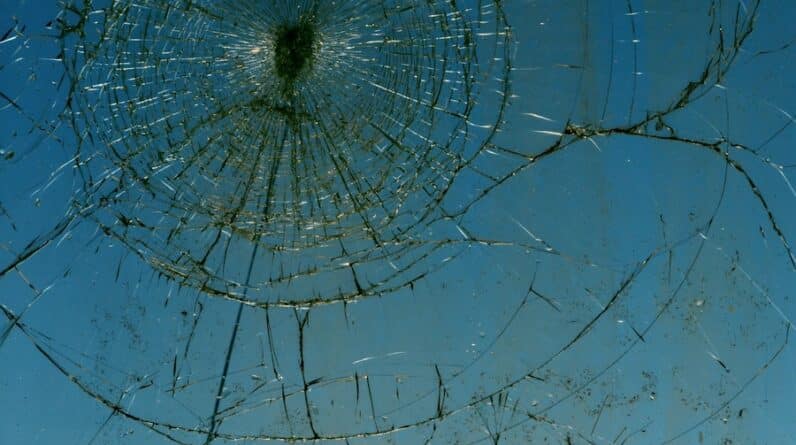
After a collision, assessing the damage is one of the first steps you should take. This process often begins with a visual inspection of your vehicle. You might notice obvious signs of damage, such as dents, scratches, or broken glass.
However, it’s essential to look beyond the surface. You should check for any misalignment in the doors or hood, which could indicate frame damage. Additionally, you may want to inspect the tires and wheels for any signs of bending or cracking, as these can affect your vehicle’s handling and safety.
In many cases, it’s advisable to have a professional assessment conducted by a certified technician. They have the expertise and tools necessary to identify hidden damage that you might overlook. A comprehensive evaluation will often include diagnostic tests to check for issues with the vehicle’s computer systems, as well as an examination of the structural integrity of the frame.
This thorough approach ensures that all damage is accounted for, allowing for a more accurate repair estimate and ultimately leading to a safer vehicle.
Choosing the Right Collision Repair Shop

Selecting the right collision repair shop is a critical decision that can significantly impact the quality of repairs your vehicle receives. You should start by seeking recommendations from friends, family, or online reviews. A shop with a solid reputation is likely to provide better service and workmanship.
When you visit potential shops, pay attention to their cleanliness and organization; a well-maintained facility often reflects the quality of work they produce. Another important factor to consider is whether the shop employs certified technicians who are trained in modern repair techniques and technologies. You may want to inquire about their certifications from organizations such as the Inter-Industry Conference on Auto Collision Repair (I-CAR) or manufacturer-specific training programs.
Additionally, ask about warranties on repairs; a reputable shop should stand behind their work and offer guarantees on parts and labor. By taking these steps, you can ensure that your vehicle is in capable hands.
The Process of Collision Car Repair
The collision car repair process typically unfolds in several stages, each designed to restore your vehicle effectively. Initially, once you’ve chosen a repair shop, the technicians will conduct a detailed inspection and create a repair estimate. This estimate outlines all necessary repairs and associated costs, giving you a clear understanding of what to expect.
You may need to discuss this estimate with your insurance company before proceeding. Once you approve the estimate, the actual repair work begins. This phase may involve various tasks such as bodywork, painting, and mechanical repairs.
Technicians will often start by addressing any structural damage, ensuring that the frame is straightened and aligned correctly. Afterward, they will move on to cosmetic repairs like replacing panels or fixing dents. Finally, they will apply paint that matches your vehicle’s original color, followed by a clear coat for protection.
Throughout this process, quality control checks are essential to ensure that every aspect meets safety standards and aesthetic expectations.
Dealing with Insurance Companies for Collision Repair
Navigating insurance claims after a collision can be daunting, but understanding how to deal with insurance companies can ease some of that stress. After an accident, it’s crucial to report the incident to your insurance provider as soon as possible. They will guide you through the claims process and inform you about your coverage options.
Be prepared to provide detailed information about the accident, including photos and police reports if available. Once your claim is filed, your insurance company may send an adjuster to assess the damage to your vehicle. This adjuster will evaluate the repair estimate provided by your chosen collision repair shop and determine how much they will cover based on your policy limits.
It’s important to communicate openly with both your repair shop and your insurance company throughout this process. If there are discrepancies between what your shop estimates and what the insurance adjuster agrees upon, don’t hesitate to advocate for yourself and seek clarification or additional support from your repair shop.
Common Types of Collision Car Damage

Understanding common types of collision car damage can help you better assess your vehicle’s condition after an accident. One prevalent type of damage is body damage, which includes dents, scratches, and paint chips on the exterior surfaces of your car. This type of damage is often cosmetic but can also lead to rust if not addressed promptly.
Another common issue is frame damage, which occurs when the structural integrity of your vehicle is compromised during a collision. Frame damage can affect how your car handles and performs on the road, making it crucial to have it repaired correctly. Additionally, mechanical damage can occur when components such as the suspension or steering systems are impacted during an accident.
Recognizing these types of damage will help you communicate effectively with your repair technician and ensure that all necessary repairs are made.
The Importance of Quality Collision Repair
Quality collision repair is vital not only for restoring your vehicle’s appearance but also for ensuring its safety and performance on the road. When repairs are done poorly or with substandard materials, it can lead to long-term issues that compromise your vehicle’s integrity. For instance, improper alignment after frame repairs can affect handling and increase tire wear, leading to further expenses down the line.
Moreover, quality repairs can enhance your vehicle’s resale value. If you ever decide to sell or trade in your car, potential buyers will be more inclined to purchase a vehicle that has been repaired correctly and maintained well. Investing in quality collision repair not only protects your safety but also safeguards your financial investment in your vehicle.
Preventing Future Collisions through Proper Car Maintenance
While accidents can happen despite our best efforts, proper car maintenance plays a significant role in reducing the likelihood of future collisions. Regular maintenance checks can help identify potential issues before they become serious problems. For example, ensuring that your brakes are functioning correctly and that your tires are properly inflated can significantly enhance your vehicle’s handling and stopping power.
Additionally, staying up-to-date with routine services such as oil changes and fluid checks can keep your engine running smoothly and efficiently. You should also pay attention to warning lights on your dashboard; ignoring these signals can lead to more severe issues down the road. By committing to regular maintenance and being proactive about any concerns you notice while driving, you can help prevent future collisions and ensure a safer driving experience for yourself and others on the road.
When dealing with collision car repair, it’s essential to understand all your options, not just in terms of repair techniques but also in how you can protect your vehicle and finances in the future. A related article that dives deep into this topic is “Decoding Car Repair Protection: Navigating Warranty and Insurance Choices.” This article provides valuable insights into different types of warranties and insurance options available for car owners, helping you make informed decisions about protecting your vehicle post-repair. You can read more about it by visiting Decoding Car Repair Protection.
FAQs
What is collision car repair?
Collision car repair refers to the process of repairing a vehicle that has been damaged in a collision or accident. This can include repairing body damage, frame damage, mechanical repairs, and refinishing.
What are the common types of damage that require collision car repair?
Common types of damage that require collision car repair include dents, scratches, frame damage, bumper damage, fender damage, and damage to the vehicle’s paint.
What is the process for collision car repair?
The process for collision car repair typically involves assessing the damage, providing an estimate for the repairs, disassembling the damaged areas, repairing or replacing damaged parts, refinishing the vehicle, and reassembling the vehicle.
How long does collision car repair take?
The length of time for collision car repair can vary depending on the extent of the damage. Minor repairs may take a few days, while more extensive damage can take several weeks to repair.
Do I need to go to a specific repair shop for collision car repair?
You have the right to choose the repair shop for your collision car repair. However, your insurance company may have a list of preferred or recommended repair shops that you can choose from.
Will my insurance cover collision car repair?
Whether or not your insurance will cover collision car repair depends on your specific policy and the circumstances of the accident. It’s important to review your policy and contact your insurance company to understand what is covered.