If you’ve ever been in a car accident, you know how stressful it can be. From dealing with insurance companies to figuring out how you’re going to get around without your vehicle, the aftermath of a collision can be overwhelming. One of the biggest concerns after an accident is getting your car repaired. But do you know what happens during the collision repair process? In this article, we will break down the process step by step, from start to finish, so you can have a better understanding of what to expect.
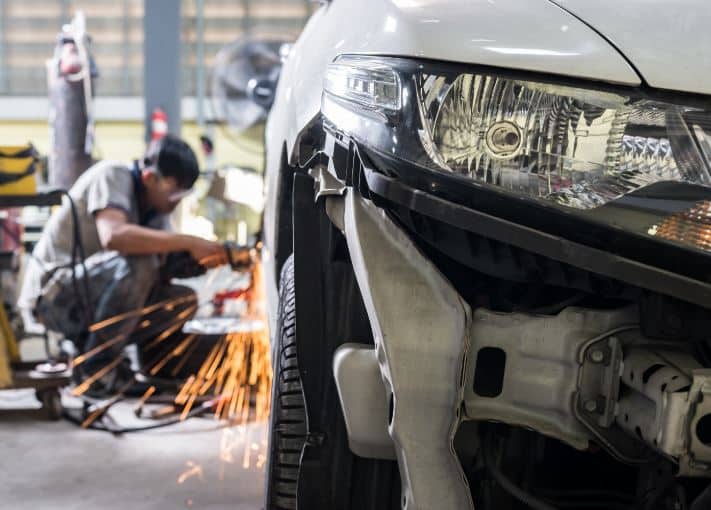
Understanding the Collision Repair Process
When your car is damaged in a collision, getting it repaired as soon as possible is important. Not only does this ensure that your vehicle is safe to drive, but it also helps prevent further damage that could lead to more costly repairs down the line. The collision repair process can vary depending on the extent of the damage, but generally, it follows a similar series of steps. Let’s take a closer look at what happens during the collision repair process.
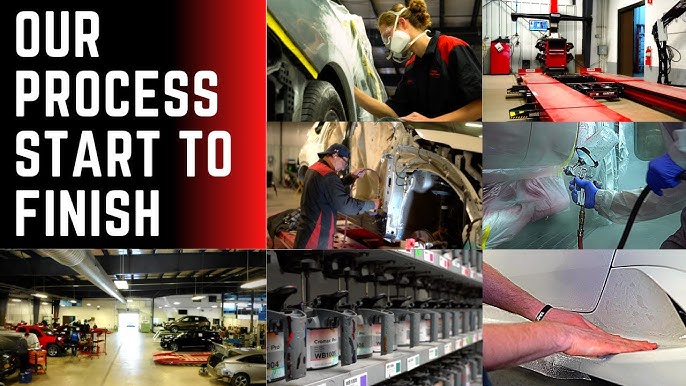
Step 1: Assessment of Damage
The first step in the collision repair process is to assess the damage to your vehicle. This typically involves a thorough inspection of the exterior and interior of the car to determine the extent of the damage. The technician will look for visible damage, such as dents, scratches, and broken parts, as well as underlying damage that may not be immediately apparent. Once the assessment is complete, a repair plan will be developed outlining the necessary repairs and estimated costs.
Step 2: Disassembly
After the damage has been assessed and a repair plan has been created, the next step is disassembly. During this step, any damaged parts that need to be replaced will be removed from the vehicle. This may include panels, bumpers, lights, and other components that have been damaged in the collision. Disassembly is a crucial step in the repair process, as it allows the technician to access the damaged areas of the vehicle and prepare them for repair.
Step 3: Repair and Replacement of Parts
Once the damaged parts have been removed from the vehicle, it’s time to begin the repair and replacement process. Depending on the extent of the damage, this may involve repairing dents, straightening frames, or replacing entire panels. The goal of this step is to restore the structural integrity and appearance of the vehicle to pre-accident condition. High-quality parts and materials are used to ensure that the repairs are durable and long-lasting.
Step 4: Painting
After the damaged parts have been repaired or replaced, the next step in the collision repair process is painting. This involves applying primer, basecoat, and clearcoat to the repaired areas to match the color and finish of the rest of the vehicle. The painting process is crucial to achieving a seamless and professional-looking repair. Special care is taken to ensure that the paint matches the original color of the vehicle and that the finish is smooth and free of imperfections.
Step 5: Reassembly
Once the painting is complete, the repaired parts are reassembled onto the vehicle. This involves reinstalling panels, bumpers, lights, and other components that were removed during the disassembly process. The reassembly step requires precision and attention to detail to ensure that everything fits properly and functions as it should. The goal is to restore the vehicle to its pre-accident condition and make it safe and roadworthy once again.
Step 6: Quality Control
Before returning the vehicle to the customer, a final quality control inspection is performed to ensure that the repairs meet the highest standards of quality and safety. This may involve testing the vehicle’s systems, performing a road test, and checking for any remaining issues or defects. The goal of the quality control process is to ensure that the repairs are done correctly and that the vehicle is safe and reliable to drive. Once the inspection is complete, the vehicle is ready to be returned to the customer.
Understanding the Importance of Collision Repair
Car accidents can happen to anyone, and when they do, it’s important to have your vehicle repaired by a professional collision repair shop. Collision repair not only restores the appearance of your vehicle but also ensures that it is safe to drive. Let’s take a closer look at why collision repair is so important.
Safety
One of the most important reasons to get your vehicle repaired after a collision is safety. Even minor damage can affect the structural integrity of your vehicle and compromise your safety in the event of another accident. Collision repair restores the safety features of your vehicle, such as airbags, seatbelts, and crumple zones, to ensure that they function properly in the event of a collision.
Protecting Your Investment
Your vehicle is a significant investment, and keeping it well-maintained is crucial to preserving its value. Ignoring damage from a collision can decrease the resale value of your vehicle and make it less attractive to potential buyers. Collision repair restores your vehicle to its pre-accident condition, helping to protect the value of your investment and ensure that it remains in good condition for years to come.
Preventing Further Damage
Ignoring damage from a collision can lead to more serious issues down the line. Even minor dents and scratches can allow moisture to seep into the body of your vehicle, leading to rust and corrosion. Collision repair addresses damage promptly, preventing further deterioration and costly repairs in the future. By taking care of repairs as soon as possible, you can protect your vehicle and avoid more extensive damage in the long run.

Choosing the Right Collision Repair Shop
When it comes to having your vehicle repaired after a collision, choosing the right collision repair shop is crucial. Not all repair shops are created equal, and it’s important to do your research and select a shop that is reputable, reliable, and experienced. Here are some tips for choosing the right collision repair shop for your needs.
Look for Certifications
One of the first things to look for when choosing a collision repair shop is certifications. Certifications from organizations such as the Inter-Industry Conference on Auto Collision Repair (I-CAR) and the National Institute for Automotive Service Excellence (ASE) demonstrate that the technicians at the shop have received specialized training and meet industry standards for quality and professionalism.
Ask for Recommendations
Word of mouth is a powerful tool when it comes to finding a reputable collision repair shop. Ask friends, family members, and colleagues for recommendations, and read online reviews to get an idea of the shop’s reputation. A shop with a history of satisfied customers and positive reviews is likely to provide quality work and excellent customer service.
Get Multiple Estimates
Before choosing a collision repair shop, it’s a good idea to get multiple estimates from different shops. This will give you an idea of the average cost of repairs and help you avoid shops that overcharge for their services. Be wary of shops that provide significantly lower estimates than others, as this may be a sign of subpar workmanship or the use of inferior parts.
Inquire About Warranties
A reputable collision repair shop will stand behind their work with a warranty. Before choosing a shop, ask about their warranty policy and what is covered. A warranty provides peace of mind and ensures that you can return to the shop if any issues arise after the repairs are completed. Be wary of shops that do not offer a warranty or have a limited warranty policy.
Visit the Shop in Person
Before making a decision, take the time to visit the collision repair shop in person. This will give you a chance to see the facility, meet the technicians, and ask any questions you may have about the repair process. A clean and organized shop with knowledgeable staff is more likely to provide quality work and excellent customer service.
Having your vehicle repaired after a collision can be a stressful experience, but understanding the collision repair process can help alleviate some of that stress. By knowing what to expect during the repair process, you can make informed decisions and ensure that your vehicle is restored to its pre-accident condition. Remember to choose a reputable collision repair shop, prioritize safety, and protect your investment by addressing damage promptly. Your vehicle is an important investment, and taking care of it with quality collision repair is essential to keeping it safe and reliable for years to come.