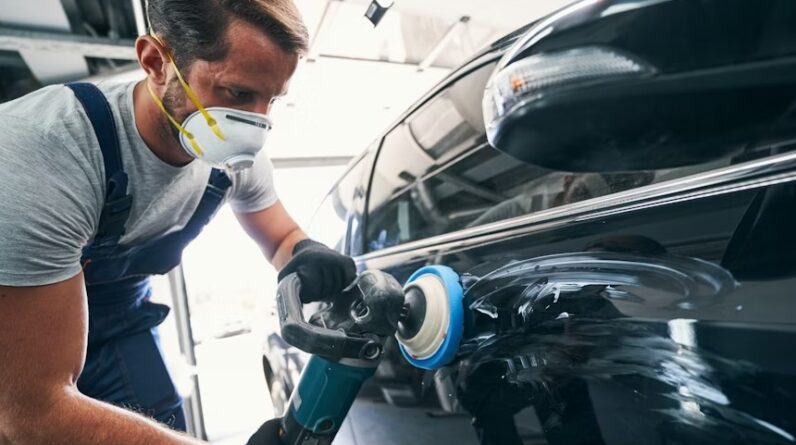
Comprehensive Auto Body Repair in Frisco
You’ve likely invested a significant amount of time and resources in your vehicle. It serves as your daily chariot, your family’s transport, and often a reflection of your personal standards. When an unfortunate encounter with another car, a stray shopping cart, or even a persistent hailstorm leaves its mark, understanding the intricacies of comprehensive auto body repair becomes paramount.
This guide provides a detailed, technical overview of the processes involved in restoring your vehicle to its pre-accident condition, with a focus on the specific services available in Frisco, Texas. Think of this as your owner’s manual for navigating the often-complex world of collision repair.
When your vehicle sustains damage, the journey to restoration begins with a multi-faceted approach. You might perceive the damage as purely cosmetic, but often, unseen structural elements are compromised, much like an iceberg where only a fraction is visible above the waterline. A reputable Frisco auto body shop will meticulously assess all aspects of the damage to ensure a complete and safe repair.
Initial Assessment and Damage Appraisal
The first step you’ll encounter is a thorough inspection of your vehicle. This is not merely a cursory glance but a painstaking examination conducted by trained technicians.
Visual Inspection and Photography
Technicians will meticulously document all visible damage using photographic evidence. This serves as a critical record for both you and your insurance provider. You might be surprised at the level of detail captured, as even minor scratches or paint imperfections surrounding the primary impact zone are noted.
Computerized Diagnostic Scanning
Modern vehicles are complex computer networks on wheels. Even seemingly minor impacts can trigger or affect electronic systems. Technicians will connect diagnostic tools to your vehicle’s onboard computer to identify any hidden fault codes or electronic malfunctions. This is akin to a doctor ordering an MRI after a physical injury; it reveals what the eye cannot see.
Structural Measurement and Alignment Checks
Your vehicle’s structural integrity is its skeleton. Specialized equipment, often laser-based, is used to measure critical points on the vehicle’s frame and chassis. Any deviation from factory specifications indicates structural compromise and necessitates corrective action. This ensures your vehicle tracks straight and true, much like a well-aligned compass.
Insurance Claim Facilitation
Navigating insurance claims can be a labyrinthine experience. A comprehensive auto body repair facility in Frisco often acts as a liaison between you and your insurer, simplifying this process.
Estimating Software and Pricing
Repair shops use industry-standard estimating software that includes databases of parts costs, labor rates, and repair procedures. This ensures transparency and accuracy in the repair estimate provided to you and your insurance company. You’ll likely receive a detailed printout outlining each repair operation.
Negotiation and Supplemental Claims
Occasionally, once repairs commence, hidden damage is uncovered. This requires a supplemental claim to your insurance provider. The repair shop will communicate these findings directly to the insurer, providing necessary documentation and justification. Consider this an ongoing dialogue to ensure all aspects of the repair are covered.
If you’re looking for insights on selecting a reliable service for Comprehensive Auto Body Repair in Frisco, you might find this article helpful: Making Informed Choices: Tips for Choosing a Trustworthy Auto Repair Shop. It offers valuable tips on what to consider when choosing an auto repair shop, ensuring you make the best decision for your vehicle’s needs.
Advanced Body Repair Techniques
The evolution of automotive manufacturing has led to the use of sophisticated materials and construction methods, which in turn demand equally advanced repair techniques. What was once a simple hammer-and-dolly job has transformed into a precision operation.
Precision Panel Repair and Replacement
Your vehicle’s exterior panels are more than just cosmetic coverings; they contribute to its structural integrity and aerodynamic efficiency.
Dent Removal and Reshaping
For less severe damage, technicians employ various methods. Paintless Dent Repair (PDR) is often utilized for minor dings and creases where the paint surface remains intact. This involves specialized tools to meticulously massage the metal back into its original form from behind the panel.
For more significant dents, traditional techniques such as panel beating, sanding, and body filler application are re-employed, much like a sculptor refining their work.
Panel Welding and Fabrication
When panels are severely damaged beyond repair, replacement becomes necessary. This involves precise cutting, welding (often using specialized resistance spot welding mimicking factory welds), and meticulous panel alignment.
Different types of metals, such as high-strength steel and aluminum, require specific welding procedures and equipment. Misalignment here could lead to increased wind noise or even affect door and trunk closure.
Aluminum Repair Specialization
Many modern vehicles incorporate aluminum components to reduce weight and improve fuel efficiency. Aluminum behaves differently from steel during repair. It requires dedicated tools, a clean environment to prevent galvanic corrosion, and specialized welding techniques. A shop proficient in aluminum repair possesses a separate bay and tools to avoid cross-contamination.
Frame and Unibody Straightening
The underlying structure of your vehicle, whether a traditional frame or a unibody design, is crucial for its safety and handling characteristics.
Computerized Frame Measuring Systems
After a significant impact, your vehicle’s frame or unibody structure can be twisted or bent. State-of-the-art computerized frame-measuring systems, lasers, and sensors to pinpoint deviations to fractions of a millimeter. This data guides the repair process.
Hydraulic Pushing and Pulling Systems
Specialized hydraulic equipment is then used to carefully pull or push the frame back into its factory specifications. This is a delicate process that requires expertise to avoid overcorrection or further damage. Think of it as carefully realigning a complex skeletal structure.
Sectioning and Replacement of Structural Components
In cases of severe structural damage, sectioning (cremoval and replacement of a damaged segment) or complete component replacement may be necessary. This requires adherence to manufacturer-specified repair procedures to maintain the vehicle’s crashworthiness.
Paint Refinishing and Restoration
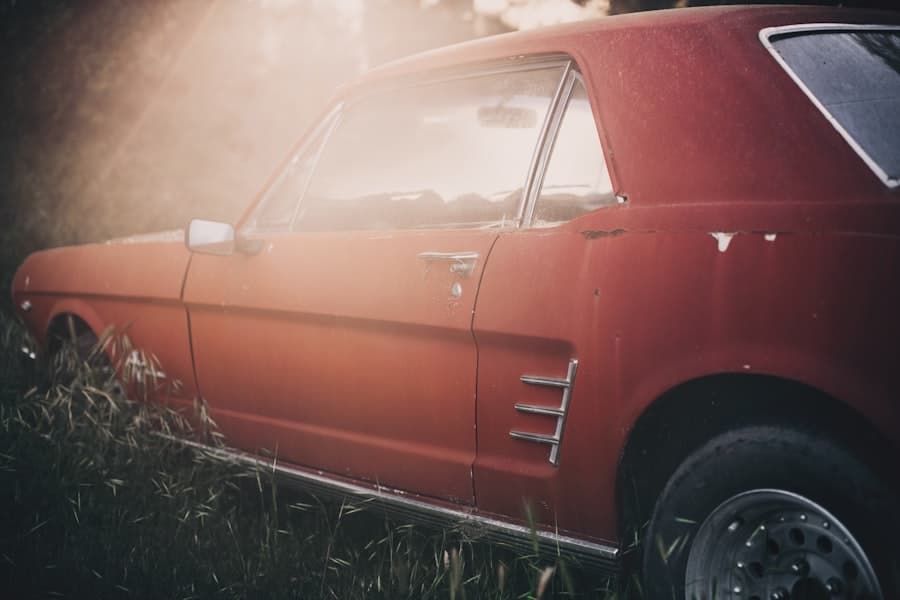
The paint on your vehicle is its protective skin and its aesthetic signature. Restoring it to its original luster is a meticulous, multi-stage process that goes far beyond a simple spray job.
Surface Preparation and Priming
A flawless paint finish begins with meticulous surface preparation. Any imperfections at this stage will manifest in the final coat.
Sanding and Feather-Edging
Once body repairs are complete, the surface is carefully sanded to create a smooth, even substrate. Feather-edging involves gradually tapering the edges of the repaired area into the surrounding original paint to ensure a seamless transition.
Application of Primers and Sealers
Primer coats are applied to promote adhesion of the topcoats and provide a uniform base for the color. Sealers further enhance adhesion and protect against rust, acting as a critical barrier layer.
Color Matching and Application
Achieving an undetectable color match is an art form, requiring both technical skill and an astute eye for detail.
Computerized Color Matching Systems
Modern auto body shops use sophisticated computerized color-matching systems. These systems can analyze a sample of your vehicle’s original paint and formulate a precise color match, accounting for variations and age-related fading.
Multi-Stage Paint Application (Basecoat, Clearcoat)
Most modern vehicle finishes are multi-stage. The basecoat provides the color, while the clearcoat is a transparent, durable layer that adds gloss, UV protection, and scratch resistance. This layered approach contributes to the depth and longevity of the finish.
Dust-Free Spray Booth Environments
Paint application takes place in highly controlled, dust-free spray booths. These booths maintain optimal temperature and humidity, and filter the air to prevent contaminants from settling on the wet paint. This ensures a pristine, factory-like finish.
Polishing and Detailing
The final steps in paint refinishing bring out the true brilliance of the repaired surface.
Wet Sanding and Buffing
After the clearcoat has cured, a process called wet sanding may be employed to remove any minor imperfections, such as dust nibs or “orange peel” texture. This is followed by multi-stage buffing and polishing to achieve a mirror-like shine.
Final Inspection and Quality Control
Before your vehicle is returned to you, it undergoes a rigorous final inspection. Technicians meticulously check for any imperfections that may have been missed, ensuring the repair meets the highest standards of quality and craftsmanship.
Beyond the Exterior: Mechanical and Electrical Repairs
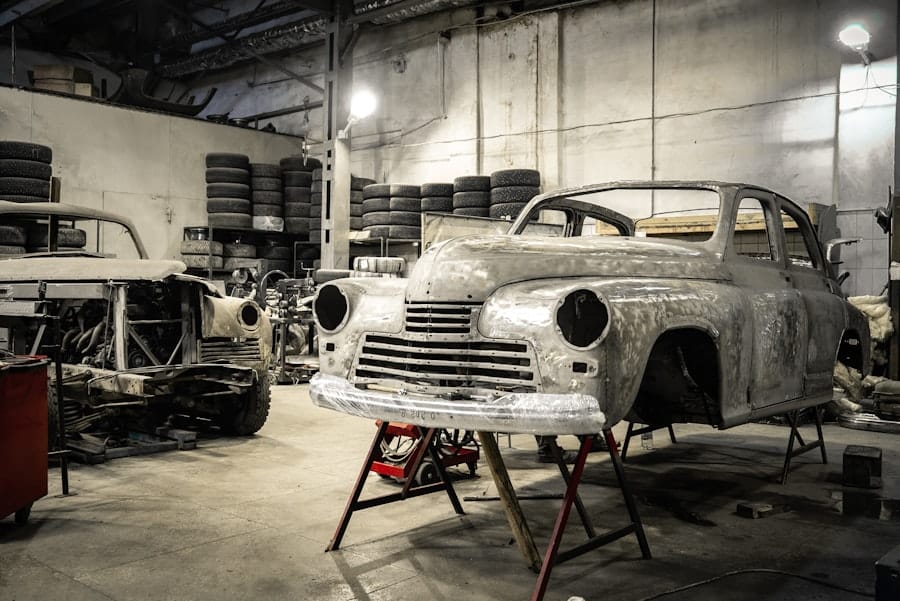
Collision damage is rarely confined to the exterior panels. The force of impact can transfer through the vehicle, affecting its inner workings.
Suspension and Steering System Repairs
Even a minor impact can throw off your vehicle’s alignment or damage critical steering and suspension components.
Wheel Alignment and Tire Balancing
After any suspension or steering repair, a precise wheel alignment is crucial. This ensures your vehicle handles correctly, prevents premature tire wear, and maintains safety. Tire balancing is also performed to eliminate vibrations.
Replacement of Damaged Components (e.g., struts, control arms)
Bent or broken suspension components, such as control arms, tie rods, or struts, will be replaced with new, OEM-quality parts to restore proper handling and ride quality. This is vital for maintaining the vehicle’s designed dynamics.
Airbag and Restraint System Diagnostics and Replacement
The deployment of airbags or the activation of seatbelt pretensioners indicates a significant impact, and these systems must be fully restored.
Post-Deployment System Reset
After airbag deployment, specialized scanning tools are used to clear the vehicle’s computer of crash data. The airbag control module often needs to be replaced.
Installation of New Airbags and Seatbelt Components
Deployed airbags and any activated seatbelt pretensioners must be replaced with new, manufacturer-specified components. This is a non-negotiable safety repair.
Headlight and Tail Light System Repair and Replacement
Lighting systems are essential for visibility and safety and are often damaged in front- or rear-impact collisions.
Wiring Harness Repair
Impacts can damage electrical wiring harnesses, leading to issues with headlights, taillights, or other electrical components. Technicians will meticulously repair or replace damaged sections, much like a surgeon repairing delicate nerves.
Alignment and Calibration of Advanced Lighting Systems
Modern vehicles often feature advanced lighting systems, such as adaptive headlights and LED matrix lights. These systems require precise alignment and, in some cases, calibration using specialized diagnostic tools to function correctly.
If you’re looking for insights on top-notch auto body repair services, you might find this article about the best auto body repair options in Joliet, Illinois, particularly useful. It highlights various aspects of quality repair work that can also be relevant to those seeking Comprehensive Auto Body Repair in Frisco. For more information, check out the article here.
Choosing the Right Auto Body Shop in Frisco
| Service | Average Repair Time | Customer Satisfaction Rate | Warranty Period | Typical Cost Range |
|---|---|---|---|---|
| Collision Repair | 5-7 days | 95% | Lifetime | 500 – 3500 |
| Paintless Dent Repair | 1-2 days | 90% | 1 year | 150 – 800 |
| Frame Straightening | 3-5 days | 92% | Lifetime | 700 – 2500 |
| Auto Painting | 2-4 days | 93% | 5 years | 400 – 2000 |
| Glass Replacement | 1 day | 94% | Lifetime | 100 – 600 |
Making an informed decision about where to entrust your damaged vehicle is crucial. Not all auto body shops are created equal, and your choice can significantly impact the quality, safety, and longevity of the repair.
Certifications and Manufacturer Approvals
These credentials serve as critical indicators of a shop’s commitment to quality and adherence to industry best practices.
I-CAR Gold Class Recognition
I-CAR (Inter-Industry Conference on Auto Collision Repair) Gold Class designation signifies that a shop has achieved the highest level of training for its technicians. This ensures they are proficient in complex repair methods for various vehicle makes and models. Think of it as a black belt in collision repair.
OEM Certifications (e.g., Ford, GM, Honda)
Many vehicle manufacturers offer specific certifications to collision repair facilities. Obtaining these certifications means the shop has invested in manufacturer-endorsed tools, equipment, and training, ensuring repairs are performed precisely according to factory guidelines. This is particularly important for maintaining complex vehicle warranties and safety features.
Customer Service and Communication
While technical competence is paramount, clear and consistent communication from the repair shop is equally essentialfor your peace of mind.
Transparent Estimating and Repair Updates
A reputable shop will provide a detailed, easy-to-understand estimate and keep you informed of your vehicle’s repair progress at every stage. Regular updates, whether via phone, text, or email, prevent you from feeling left in the dark.
Warranty on Repairs
A strong warranty on both parts and labor demonstrates the shop’s confidence in its quality. Understand the terms and duration of any warranty offered before committing to repairs. This acts as an assurance of quality post-repair.
Location and Logistics in Frisco
Practical considerations, such as location and logistical support, can also influence your decision-making process.
Accessibility and Convenience
Consider the shop’s proximity to your home or work in Frisco. Easy access for dropping off and picking up your vehicle can alleviate some of the stress associated with collision repair.
Rental Car Assistance
Many comprehensive auto body shops offer assistance with rental car arrangements, often coordinating directly with your insurance company to streamline the process. This ensures your mobility is not unduly disrupted during the repair period.
When your vehicle requires comprehensive auto body repair in Frisco, you are seeking more than just cosmetic fixes. You are seeking the reinstatement of safety, structural integrity, and aesthetic appeal.
By understanding the detailed processes from initial assessment to final detailing, and by choosing a shop that prioritizes advanced techniques, certifications, and transparent communication, you will ensure your vehicle receives the meticulous care it deserves. Your car, in essence, is undergoing a complex surgical procedure, and selecting the right “surgeon” is paramount to its complete recovery.
FAQs
What types of services are included in comprehensive auto body repair in Frisco?
Comprehensive auto body repair in Frisco typically includes dent removal, collision repair, frame straightening, paint matching and refinishing, bumper repair, and replacement of damaged parts. Many shops also offer detailing and paintless dent repair services.
How long does a typical auto body repair take in Frisco?
The duration of auto body repair depends on the extent of the damage. Minor repairs, such as paint touch-ups and dent repairs, may take a few hours, while major collision repairs can take several days to a couple of weeks. Repair shops in Frisco usually provide an estimated timeline after assessing the vehicle.
Are auto body repair shops in Frisco certified and insured?
Reputable auto body repair shops in Frisco are generally certified by industry organizations such as the National Institute for Automotive Service Excellence (ASE). They are insured to protect both the customer and the business during the repair process.
Does comprehensive auto body repair in Frisco include insurance claim assistance?
Many auto body repair shops in Frisco offer assistance with insurance claims. They can help document the damage, provide repair estimates, and communicate directly with insurance companies to streamline the claims process for customers.
How can I ensure quality when choosing an auto body repair shop in Frisco?
To ensure quality, look for shops with positive customer reviews, proper certifications, and warranties on their work. Visiting the shop to check their equipment and asking about their repair process can also help you make an informed decision.
Maps Of Frisco, Texas
Weather In Frisco, Texas
Here is one Comprehensive Auto Body Repair in Frisco
Frisco Auto Body
Auto body shop
5+ years in business · 1949 Witt Rd
+1 972-505-6822
Advanced Auto Hail & Collision Repair
Auto body shop
3+ years in business · 15222 King Rd suite 1102
+1 469-237-1651
Frisco Paint & Body Inc.
Auto body shop
10+ years in business · 7059 Main St
+1 972-335-3515