
Have you ever found yourself with a dent or scratch on your car and felt overwhelmed by the idea of expensive repairs at a professional auto body shop? In this guide, we will walk you through some quick and easy DIY auto body repair fixes that you can do at home with minimal tools and experience.
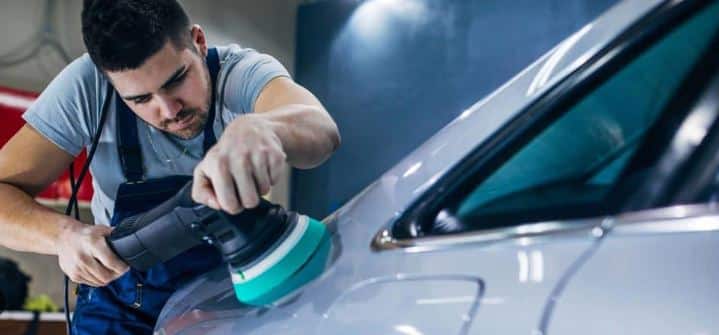
Getting Started: Assessing the Damage
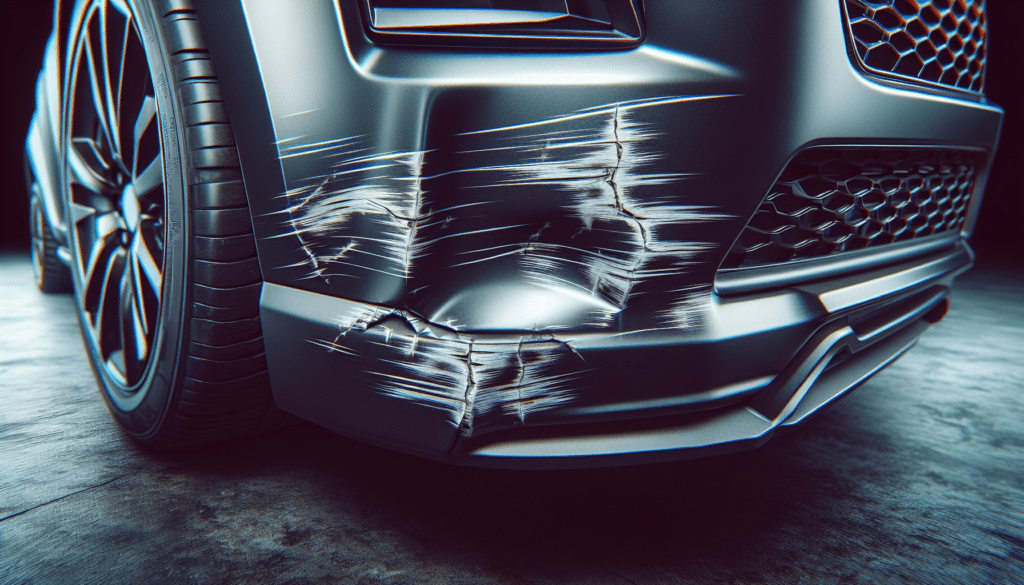
Before you begin any DIY auto body repair project, it’s essential to assess the damage to your vehicle. Take a close look at the scratches, dents, or other imperfections on your car’s body. Is the damage shallow or deep? Is the paint scratched or chipped? By understanding the extent of the damage, you can determine the best course of action for repair.
If the damage is minor, such as shallow scratches or small dents, you may be able to fix it yourself using simple tools and materials. However, if the damage is severe, such as deep dents or extensive paint damage, you may need to seek professional help.
Tools and Materials You’ll Need
To tackle DIY auto body repairs, you’ll need to gather a few essential tools and materials. Here is a list of items you may need for various types of repairs:
For Scratches and Paint Chips:
- Touch-up paint in the color of your car
- Fine sandpaper (2000-grit)
- Paint polish
- Microfiber cloth
For Dents:
- A dent puller or suction cup
- Heat gun or hairdryer
- Rubber mallet or hammer
- Body filler
- Sandpaper of various grits
- Primer
- Paint in the color of your car
- Clear coat
For Rust:
- Rust converter
- Sandpaper
- Primer
- Touch-up paint
Gathering these tools and materials before you begin your DIY auto body repair project will ensure that you have everything you need to complete the job.
Fixing Scratches and Paint Chips
Scratches and paint chips are common issues that can detract from the appearance of your vehicle. Fortunately, these minor imperfections can be easily repaired at home. Here’s how you can fix scratches and paint chips on your car:
- Clean the area: Before you begin any repair work, make sure the damaged area is clean and free of dirt and debris.
- Sand the area: Use fine sandpaper (2000-grit) to sand down the edges of the scratch or paint chip gently.
- Apply touch-up paint: Using the touch-up paint that matches the color of your car, carefully fill in the scratch or chip.
- Polish the area: Once the paint has dried, use a paint polish to blend the repair with the surrounding paint. Buff the area with a microfiber cloth for a smooth finish.
By following these steps, you can easily fix minor scratches and paint chips on your car’s body, restoring its appearance.
Repairing Dents
Dents are another common issue that many car owners face. While larger dents may require professional assistance, smaller dents can often be fixed at home using a few simple tools. Here’s how you can repair dents on your vehicle:
- Assess the dent: Determine if the dent is shallow or deep. Shallow dents that have not damaged the paint are easier to fix.
- Use a dent puller or suction cup: Attach a dent puller or suction cup to the center of the dent and pull outward to pop the dent out.
- Apply heat: If the dent is not popping out easily, use a heat gun or hairdryer to heat the area around the dent. This will make the metal more malleable and easier to reshape.
- Use a rubber mallet or hammer: Gently tap the area around the dent with a rubber mallet or hammer to reshape the metal.
- Apply body filler: Fill in any remaining imperfections with body filler, following the manufacturer’s instructions.
- Sand and paint: Sand the repaired area with sandpaper of various grits, apply primer, paint in the color of your car, and finish with a clear coat for a seamless repair.
By following these steps, you can effectively repair small dents on your car’s body, saving you time and money on professional repairs.
Dealing with Rust
Rust is a common issue that can quickly spread and cause extensive damage to your vehicle’s body. If you spot rust forming on your car, it’s essential to address it promptly to prevent further deterioration. Here’s how you can deal with rust on your vehicle:
- Remove the rust: Use a rust converter to chemically convert the rust into a stable compound that can be painted over.
- Sand the area: Once the rust has been treated, sand the affected area to remove any remaining rust and smooth out the surface.
- Apply primer: Apply a primer to the sanded area to prepare it for paint.
- Paint and finish: Using touch-up paint in the color of your car, carefully cover the treated area with paint and finish with a clear coat for protection.
By addressing rust early and following these steps, you can prevent the spread of rust and keep your vehicle’s body in top condition.
Tips for Successful DIY Auto Body Repairs
When tackling DIY auto body repairs, it’s essential to keep a few tips in mind to ensure successful results. Here are some tips to help you make the most of your DIY repair projects:
Take your time:
Rushing through a repair can lead to mistakes and subpar results. Take your time to assess the damage, gather the necessary tools and materials, and follow each step carefully for the best outcome.
Practice on smaller repairs first:
If you’re new to DIY auto body repairs, start with smaller projects, such as scratches or minor dents, to build your skills and confidence before tackling more significant repairs.
Follow manufacturer’s instructions:
When using body filler, paint, or other materials, always follow the manufacturer’s instructions for the best results. Using products incorrectly can lead to poor adhesion, uneven finishes, or other issues.
Seek professional help when needed:
While DIY repairs can save you money, some repairs may be too complex or extensive for the average car owner to handle. If you’re unsure about a repair or feel overwhelmed, don’t hesitate to seek professional help.
By keeping these tips in mind and approaching DIY auto body repairs with patience and care, you can achieve professional-quality results without breaking the bank.
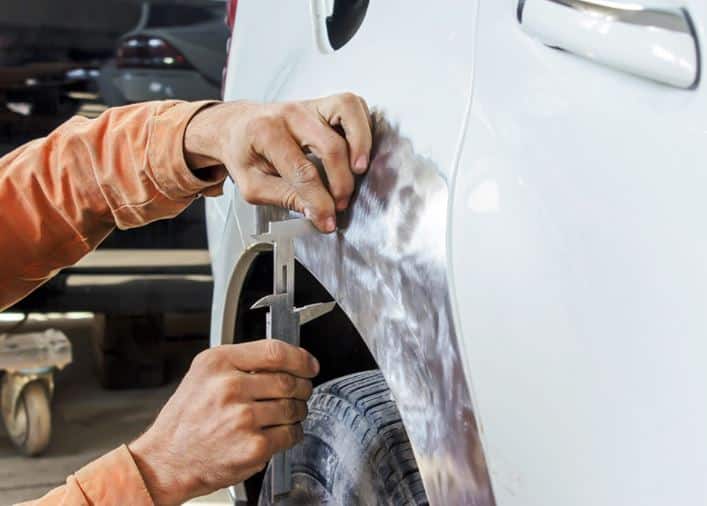
DIY auto body repairs can be a rewarding way to save money and maintain your vehicle’s appearance. By following the tips and steps outlined in this guide, you can tackle minor scratches, dents, and rust on your car with confidence. Remember to assess the damage, gather the necessary tools and materials, and take your time to ensure a successful repair. With a little practice and patience, you can become a pro at DIY auto body repairs and keep your vehicle looking its best for years to come.





