
Wired for Success: A Guide to Electrical System Troubleshooting for Your Vehicle
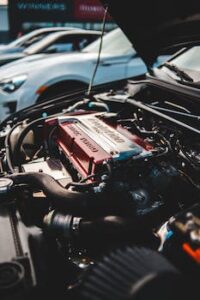
Electrical System Troubleshooting
In the modern age, your car’s electrical system is like its nervous system, coordinating vital functions. When electrical issues arise, they can be puzzling, but fear not! In this guide, we’ll demystify electrical system troubleshooting, giving you the tools to diagnose and resolve problems, ensuring a smooth and well-powered ride.
Illuminating Electrical Challenges: Troubleshooting and Diagnostics
1. Dead Battery or No Start:
– A common issue, often due to a drained or faulty battery.
– Check battery connections, voltage, and consider jump-starting.
2. Dim Lights or Flickering:
– Dim or flickering headlights, interior lights, or dashboard lights can indicate alternator problems.
– Check alternator output and belt tension.
3. Blown Fuses:
– If certain electrical components stop working, a blown fuse could be the culprit.
– Locate the fuse box, check for blown fuses, and replace if necessary.
4. Malfunctioning Power Windows or Locks:
– Issues with power windows or locks can point to wiring problems or a faulty switch.
– Check connections, switches, and consult your car’s manual.
5. Non-Functioning Accessories:
– If accessories like the radio or AC aren’t working, it could be a blown fuse or wiring problem.
– Inspect fuses, wiring, and consult a mechanic for complex issues.
6. Stalling or Rough Idling:
– Electrical problems can disrupt the engine’s electronic control systems, causing stalling or rough idling.
– Check for loose connections, damaged wires, or faulty sensors.
7. Check Engine Light (Electrical Issues):
– The Check Engine light can also indicate electrical problems affecting the engine.
– Use an OBD-II scanner to read diagnostic trouble codes (DTCs) for more information.
8. ABS or Traction Control Warning Light:
– These lights can indicate problems with the ABS system or sensors.
– Consult a mechanic for proper diagnostics and repair.
9. Electrical Smells or Smoke:
– Burning smells or smoke can indicate electrical shorts or overheating.
– Immediately turn off the car and consult a mechanic.
10. Intermittent Electrical Issues:
– Electrical issues that come and go can be particularly frustrating.
– Inspect connections, wiring, and consider professional diagnosis for complex cases.
Understanding and troubleshooting your car’s electrical system can save you from unexpected hassles. By learning to recognize common electrical issues and their solutions, you’re ensuring a more reliable and efficient driving experience. Remember, with a bit of knowledge and patience, you can become the master of your car’s electrical domain.
Disclaimer: This guide provides general information and should not replace professional advice. Always consult your car’s manual and a qualified mechanic for diagnosis and repairs.
RELATED SEARCH TERMS ABOUT ELECTRICAL SYSTEM TROUBLESHOOTING:
- Wired Woes Unraveled: A Comprehensive Handbook on Navigating Electrical System Troubleshooting
- Electrical Odyssey: Navigating the Essentials of Troubleshooting and Diagnosing Car Electrical Issues
- Car Wiring Chronicles: A Deep Dive into Demystifying and Addressing Common Vehicle Electrical Dilemmas
- Mastering Car Circuits: A Thorough Exploration of Diagnosing and Rectifying Electrical Problems
- Beyond the Spark: Unveiling the Importance of Diagnosing Common Car Electrical Issues for Drivers
- Electrical Mechanic: Elevating Your Car’s Performance Through Effective Troubleshooting and Diagnostics
- On the Path to Electrical Solutions: A Comprehensive Guide to Diagnosing Common Car Electrical Problems
- Vehicle Electrical Malady Manual: An Expert Guide on Diagnosing and Resolving Electrical System Issues
- Car Wiring Chronicles: Demystifying Common Vehicle Electrical Problems for Informed Car Owners
- Drive-In Electrical Diagnosis: An In-Depth Handbook on Diagnosing and Solving Common Car Electrical Issues