
When you think about auto repairs, fuel efficiency might not be the first thing that comes to mind. However, it plays a crucial role in the overall performance and longevity of your vehicle. Fuel efficiency is not just about saving money at the pump; it also reflects the health of your engine and the effectiveness of your vehicle’s systems.
When you prioritize fuel efficiency during repairs, you are essentially investing in the long-term viability of your car. A well-maintained vehicle that operates efficiently can lead to fewer repairs down the line, saving you both time and money. Moreover, fuel efficiency has broader implications beyond personal savings.
As you become more aware of your vehicle’s fuel consumption, you contribute to reducing greenhouse gas emissions and minimizing your carbon footprint. In a world increasingly focused on sustainability, making informed choices about your vehicle’s efficiency can have a positive impact on the environment. By understanding the importance of fuel efficiency in auto repairs, you empower yourself to make decisions that benefit both your wallet and the planet.
- Fuel efficiency is crucial for reducing costs and environmental impact in auto repairs
- Combustion in automobile engines is a complex process that directly affects fuel efficiency
- Engine tuning and maintenance play a significant role in improving fuel efficiency
- Aerodynamics can have a substantial impact on fuel consumption in vehicles
- Proper tire pressure and alignment are essential for maximizing fuel efficiency in auto repairs
Understanding the Science of Combustion in Automobile Engines
To appreciate how fuel efficiency can be improved, it’s essential to grasp the science of combustion in automobile engines. At its core, combustion is a chemical reaction between fuel and oxygen that produces energy. In a typical gasoline engine, this process occurs in a series of controlled explosions within the engine’s cylinders.
The more efficiently this process occurs, the better your vehicle performs and the less fuel it consumes. Understanding this fundamental principle can help you make informed decisions about repairs and maintenance. The efficiency of combustion is influenced by several factors, including air-fuel mixture, ignition timing, and engine temperature.
If any of these elements are out of balance, it can lead to incomplete combustion, resulting in wasted fuel and increased emissions. By familiarizing yourself with these concepts, you can better appreciate the importance of regular maintenance and tuning. This knowledge empowers you to ask the right questions when discussing repairs with your mechanic, ensuring that your vehicle operates at peak efficiency.
The Role of Engine Tuning and Maintenance in Improving Fuel Efficiency

Engine tuning and maintenance are critical components in enhancing fuel efficiency. Regularly scheduled maintenance helps ensure that all engine components are functioning optimally. This includes checking spark plugs, air filters, and fuel injectors, all of which play a significant role in how efficiently your engine burns fuel.
When these components are neglected, it can lead to decreased performance and increased fuel consumption. By staying on top of maintenance tasks, you can keep your engine running smoothly and efficiently. Tuning your engine involves adjusting various parameters to optimize performance.
This can include recalibrating the air-fuel mixture or adjusting ignition timing to ensure that combustion occurs at the most efficient point in the engine cycle. Many modern vehicles come equipped with onboard diagnostics that can help identify issues affecting fuel efficiency. By utilizing these tools and working with a knowledgeable mechanic, you can make informed decisions about necessary adjustments that will enhance your vehicle’s performance while also improving its fuel economy.
Exploring the Impact of Aerodynamics on Fuel Consumption
Aerodynamics plays a significant role in determining how efficiently your vehicle uses fuel. The shape and design of your car affect how air flows around it while driving. A vehicle with poor aerodynamics will experience increased drag, which requires more energy—and thus more fuel—to maintain speed.
Understanding this concept can help you appreciate why certain design features are essential for fuel efficiency. For instance, streamlined shapes and features like spoilers or air dams can significantly reduce drag and improve overall performance. You might not realize it, but even small changes to your vehicle’s aerodynamics can lead to noticeable improvements in fuel consumption.
For example, roof racks or external accessories can create additional drag that negatively impacts efficiency. If you’re looking to enhance your vehicle’s fuel economy, consider removing unnecessary accessories when they’re not in use. Additionally, maintaining a clean exterior can also help; dirt and debris can disrupt airflow and increase drag.
By being mindful of aerodynamics, you can take proactive steps to improve your vehicle’s fuel efficiency.
The Influence of Tire Pressure and Alignment on Fuel Efficiency
Tire pressure and alignment are often overlooked aspects of vehicle maintenance that have a direct impact on fuel efficiency. Under-inflated tires create more rolling resistance, which means your engine has to work harder to move the vehicle forward. This increased effort translates into higher fuel consumption.
Regularly checking and maintaining proper tire pressure is a simple yet effective way to enhance your vehicle’s efficiency. You should make it a habit to check tire pressure at least once a month or before long trips. Alignment is another critical factor that affects how efficiently your vehicle uses fuel.
Misaligned wheels can cause uneven tire wear and increased rolling resistance, leading to decreased fuel economy. If you notice your car pulling to one side or if your steering wheel is off-center, it may be time for an alignment check. By ensuring that your tires are properly aligned and inflated, you not only improve fuel efficiency but also enhance overall safety and handling.
The Role of High-Quality Motor Oil and Lubricants in Auto Repairs
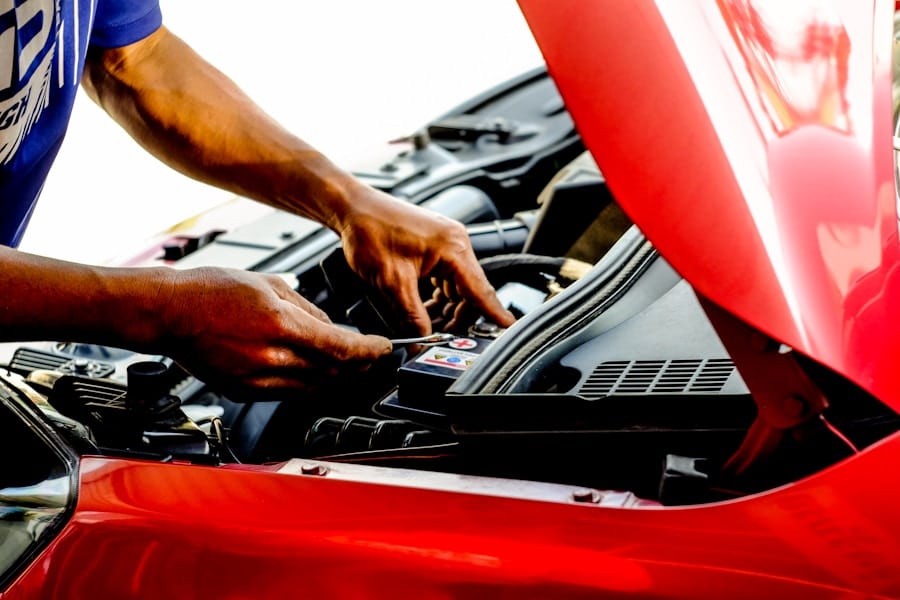
The type of motor oil and lubricants you use in your vehicle can significantly influence its performance and fuel efficiency. High-quality motor oil reduces friction between engine components, allowing them to operate more smoothly and efficiently. When engine parts move freely without excessive friction, they require less energy to function, which translates into better fuel economy.
Choosing the right oil for your vehicle is essential; always refer to your owner’s manual for recommendations on viscosity and specifications. In addition to motor oil, other lubricants used in various systems—such as transmission fluid or differential oil—also play a role in overall efficiency. Using high-quality lubricants ensures that all moving parts are adequately protected and function optimally.
Regularly changing these fluids as part of your maintenance routine will help keep your engine running smoothly and efficiently over time. By investing in quality lubricants, you’re not just prolonging the life of your vehicle; you’re also enhancing its fuel efficiency.
The Benefits of Regularly Maintaining and Cleaning Fuel Injectors
Fuel injectors are vital components responsible for delivering the right amount of fuel into the engine’s combustion chamber. Over time, these injectors can become clogged with carbon deposits or other contaminants, leading to inefficient fuel delivery and reduced performance. Regularly maintaining and cleaning your fuel injectors is essential for ensuring optimal engine function and improving fuel efficiency.
A clean injector allows for precise fuel atomization, which enhances combustion efficiency. You might consider using a fuel injector cleaning service or adding a quality fuel system cleaner to your gas tank periodically. These products help dissolve deposits that accumulate over time, restoring proper flow and function to the injectors.
By taking proactive steps to maintain this critical component of your engine, you can enjoy improved performance and better fuel economy while minimizing the risk of costly repairs down the line.
Exploring Alternative Fuel Options for Improving Auto Repair Efficiency
As you look for ways to enhance your vehicle’s efficiency, exploring alternative fuel options may be worthwhile. Many modern vehicles are designed to run on alternative fuels such as ethanol blends or biodiesel, which can offer improved performance and reduced emissions compared to traditional gasoline or diesel fuels. These alternatives often burn cleaner than conventional fuels, leading to less wear on engine components and potentially lower maintenance costs over time.
Additionally, electric vehicles (EVs) represent a significant shift in how we think about fuel consumption altogether. While they require different maintenance considerations than traditional internal combustion engines, EVs offer remarkable energy efficiency and lower operating costs due to fewer moving parts and less frequent maintenance needs. As technology continues to evolve, alternative fuels will likely become more accessible and efficient, providing you with even more options for improving your vehicle’s performance while contributing positively to environmental sustainability.
In conclusion, understanding the various factors that influence fuel efficiency in auto repairs empowers you as a vehicle owner to make informed decisions about maintenance and upgrades. From engine tuning to tire pressure management, each aspect plays a vital role in optimizing performance while minimizing costs and environmental impact. By prioritizing these elements in your auto care routine, you not only enhance your driving experience but also contribute positively to a more sustainable future.
If you’re interested in learning more about enhancing the adhesion and protection of auto body repairs, check out The Ultimate Guide to Auto Body Primers: Enhancing Adhesion and Protection. This article provides valuable insights into the importance of primers in the repair process and how they can improve the overall quality and longevity of the repair job. Understanding the science behind primers can help you make more informed decisions when it comes to auto body repairs.
FAQs
What is the science behind efficient auto repairs?
Efficient auto repairs involve understanding the principles of combustion, thermodynamics, and mechanical engineering to optimize the performance and fuel efficiency of vehicles.
How does understanding the science behind auto repairs benefit car owners?
Understanding the science behind auto repairs allows car owners to make informed decisions about maintenance and repairs, leading to improved fuel efficiency, reduced emissions, and longer vehicle lifespan.
What are some key factors that affect fuel efficiency in vehicles?
Factors that affect fuel efficiency in vehicles include engine design, aerodynamics, tire pressure, driving habits, and the condition of the vehicle’s components such as the fuel system, spark plugs, and air filters.
How can auto repair professionals use science to improve fuel efficiency in vehicles?
Auto repair professionals can use scientific principles to diagnose and address issues such as engine misfires, fuel system malfunctions, and inefficient combustion, leading to improved fuel efficiency for their customers.
What are some common misconceptions about fuel efficiency and auto repairs?
Common misconceptions include the belief that premium fuel improves fuel efficiency in all vehicles, and that aftermarket products such as “fuel-saving” devices always deliver on their promises. Understanding the science behind auto repairs can help dispel these misconceptions.





