
Fuel Pump Replacement: Keeping Your Engine Fed and Fired Up
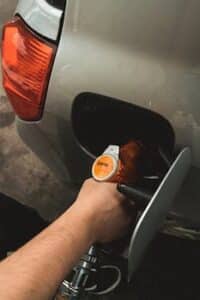
Your vehicle’s fuel pump plays a crucial role in delivering the right amount of fuel to the engine for optimal combustion. Over time, wear and tear can lead to a decline in performance or even complete failure. In this guide, we’ll walk you through the process of fuel pump replacement, ensuring your engine stays well-fed and your ride stays smooth.
Signs Your Fuel Pump Needs Replacement:
– Engine Sputtering: If the engine stutters at high speeds, it could be due to insufficient fuel supply.
– Loss of Power: Difficulty accelerating or climbing hills indicates fuel pump trouble.
– Vehicle Won’t Start: A faulty fuel pump can prevent fuel delivery to the engine.
– Whining Noise: A high-pitched whine from the fuel tank can signal a worn-out pump.
Preparing for Replacement:
1. Gather Materials:
– New fuel pump, gasket, O-rings, and necessary tools.
2. Ensure Safety:
– Work in a well-ventilated area away from open flames.
3. Relieve Fuel Pressure:
– Disconnect the fuel pump fuse and run the engine until it stalls.
Step-by-Step Fuel Pump Replacement:
1. Disconnect Battery:
– Prevents electrical mishaps during the process.
2. Access the Fuel Pump:
– Remove rear seats or access panel in the trunk.
3. Detach Fuel Lines:
– Carefully disconnect the fuel lines and electrical connectors.
4. Remove the Fuel Pump:
– Unscrew the retaining ring and lift out the old pump.
5. Install the New Pump:
– Insert the new pump and secure it with the retaining ring.
6. Reattach Fuel Lines:
– Reconnect fuel lines and electrical connectors.
7. Test the New Pump:
– Turn the ignition on without starting the engine to prime the pump.
Tips for Success:
– Replace the Filter: Install a new fuel filter during pump replacement for optimal performance.
– Inspect the Wiring: Check the wiring and connectors for signs of damage.
– Keep It Clean: Ensure no debris falls into the tank during the process.
When to Seek Professional Help:
– Limited Experience: If you’re not comfortable working on complex systems.
– Inconsistent Performance: If issues persist after replacement.
Benefits of a New Fuel Pump:
– Improved Performance: Adequate fuel supply ensures optimal engine power.
– Fuel Efficiency: Proper fuel delivery boosts mileage.
– Reliability: Reduced risk of sudden engine shutdowns.
A well-functioning fuel pump is essential for your vehicle’s overall performance. By recognizing the signs of a failing pump and following the step-by-step replacement process, you can keep your engine running smoothly and your driving experience enjoyable. Remember, a healthy fuel pump is the heartbeat of your vehicle, ensuring every journey is fueled with power and precision.
RELATED SEARCH TERMS ABOUT FUEL PUMP REPLACEMENT:
- Fuel Pump Replacement Guide: Ensuring Uninterrupted Engine Performance
- Reviving Engine Vitality: A Step-by-Step Fuel Pump Replacement Tutorial
- Fuel Pump Renewal: DIY Guide to Keeping Your Engine’s Heartbeat Strong
- Smoother Rides Ahead: Mastering Fuel Pump Replacement for Vehicle Health
- Fuel Pump Overhaul: From Sputtering to Soaring Engine Performance
- Fuel Pump Swap 101: How to Keep Your Engine Fed and Fired Up
- Replacing Your Fuel Pump: The Key to Consistent Engine Power and Reliability
- Your Engine’s Lifeline: Exploring the Essentials of Fuel Pump Replacement
- Step Up Your Vehicle’s Performance: A Comprehensive Fuel Pump Replacement Guide
- Engine Empowerment: Fuel Pump Replacement for Seamless Road Adventures