
High-strength steel (HSS) is a category of steel that has a yield strength significantly higher than that of conventional steel. This enhanced strength allows for the construction of lighter and more durable structures, making it a preferred choice in various industries, including automotive, aerospace, and construction. As you delve into the world of high-strength steel, you will discover that its unique properties stem from its chemical composition and the processes used in its production.
Typically, HSS contains alloying elements such as manganese, chromium, and nickel, which contribute to its superior mechanical properties. The versatility of high-strength steel is one of its most appealing attributes. It can be manufactured in various forms, including sheets, plates, and bars, allowing it to be tailored for specific applications.
As you explore its uses, you will find that HSS is often employed in critical components where weight reduction is essential without compromising safety or performance. For instance, in the automotive industry, high-strength steel is used to create lighter vehicles that improve fuel efficiency while maintaining structural integrity during collisions. Understanding the fundamental characteristics of high-strength steel will equip you with the knowledge necessary to appreciate its role in modern engineering and design.
- High-strength steel is a type of steel that offers superior strength and durability compared to traditional steel, making it a popular choice in the automotive and construction industries.
- Common types of damage to high-strength steel include dents, scratches, and deformation from impact or collision.
- Repairing high-strength steel requires specialized tools and techniques such as welding, heat treatment, and precision cutting to ensure the structural integrity of the material is maintained.
- Safety precautions when working with high-strength steel include wearing protective gear, using proper ventilation, and following manufacturer guidelines for handling and storing the material.
- Welding and heat treatment are crucial steps in repairing high-strength steel, as they help restore the material’s strength and integrity after damage.
Common Types of Damage to High-Strength Steel
Despite its impressive strength and durability, high-strength steel is not immune to damage. Various factors can lead to deterioration or failure, and recognizing these types of damage is crucial for effective maintenance and repair. One common issue is fatigue cracking, which occurs when the material is subjected to repeated stress cycles over time.
This type of damage can be particularly insidious, as it may not be immediately visible but can lead to catastrophic failure if left unaddressed. Another prevalent form of damage is corrosion, which can significantly weaken high-strength steel if not properly managed. Environmental factors such as moisture, salt, and pollutants can accelerate the corrosion process, leading to pitting and loss of material integrity.
As you consider the implications of these types of damage, it becomes clear that regular inspections and maintenance are essential to prolonging the lifespan of high-strength steel components. By understanding the common types of damage, you can better prepare for the challenges associated with maintaining these materials in various applications.
Tools and Techniques for Repairing High-Strength Steel
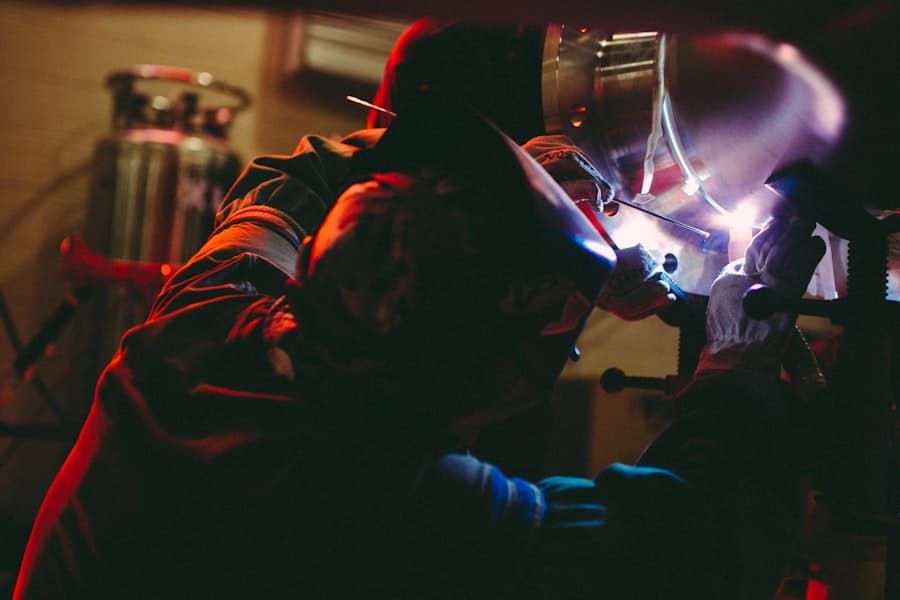
When it comes to repairing high-strength steel, having the right tools and techniques at your disposal is vital. You will find that various methods can be employed depending on the type and extent of the damage. For minor repairs, tools such as grinders, welders, and cutting torches are often sufficient.
These tools allow you to remove damaged sections and prepare the surface for welding or other repair methods. Additionally, specialized equipment like plasma cutters can provide precision when working with intricate designs or tight spaces. For more extensive repairs, you may need to consider techniques such as bolting or riveting to restore structural integrity.
These methods can be particularly effective when welding is not feasible due to the risk of further damaging the high-strength steel. As you explore these options, it’s essential to assess the specific requirements of your project and choose the most appropriate repair technique. By familiarizing yourself with the available tools and methods, you will be better equipped to tackle any challenges that arise during the repair process.
Safety Precautions When Working with High-Strength Steel
Safety should always be your top priority when working with high-strength steel. The materials and processes involved can pose various risks, so it’s essential to take appropriate precautions to protect yourself and those around you. First and foremost, wearing personal protective equipment (PPE) is crucial.
This includes safety glasses to shield your eyes from sparks and debris, gloves to protect your hands from sharp edges and heat, and steel-toed boots to safeguard your feet from heavy objects. In addition to PPE, ensuring proper ventilation in your workspace is vital when working with high-strength steel. Many repair processes generate fumes or dust that can be harmful if inhaled.
Using exhaust fans or working in an open area can help mitigate these risks. Furthermore, it’s important to be aware of your surroundings and maintain a clean workspace to prevent accidents. By prioritizing safety measures, you can create a secure environment that allows you to focus on your work without unnecessary distractions or hazards.
Welding and Heat Treatment for High-Strength Steel Repair
Welding is one of the most common methods for repairing high-strength steel, but it requires a thorough understanding of the material’s properties and appropriate techniques. When welding HSS, you must select the right filler material and welding process to ensure a strong bond without compromising the steel’s integrity. Techniques such as gas metal arc welding (GMAW) or flux-cored arc welding (FCAW) are often preferred due to their ability to produce high-quality welds with minimal distortion.
Heat treatment is another critical aspect of repairing high-strength steel. After welding, the heat-affected zone (HAZ) can experience changes in microstructure that may weaken the material. To counteract this effect, post-weld heat treatment (PWHT) may be necessary.
This process involves heating the welded area to a specific temperature and then allowing it to cool slowly, which helps restore the material’s mechanical properties. By understanding both welding techniques and heat treatment processes, you can ensure that your repairs are not only effective but also enhance the overall performance of high-strength steel components.
Considerations for Paint and Coating Application After Repair
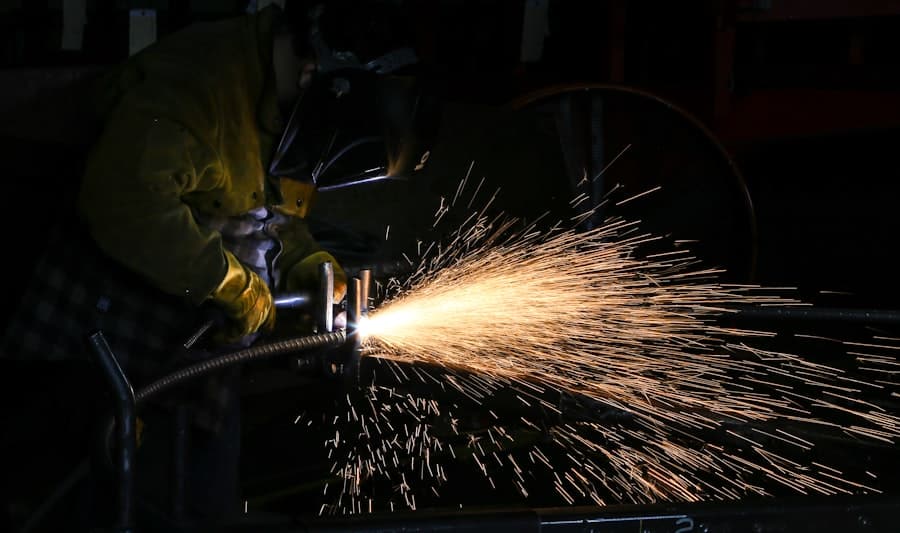
Once you have completed repairs on high-strength steel components, applying paint or coatings is an essential step in protecting the material from environmental factors. The right coating can prevent corrosion and extend the lifespan of your repairs significantly. When selecting a paint or coating system, consider factors such as compatibility with high-strength steel, environmental exposure conditions, and application methods.
Surface preparation is critical before applying any coating. You must ensure that all contaminants are removed from the surface to promote adhesion and prevent future issues. Techniques such as sandblasting or grinding can effectively prepare the surface for painting.
Additionally, applying a primer specifically designed for metal surfaces can enhance adhesion and provide an extra layer of protection against corrosion. By paying attention to these details during the coating application process, you can help ensure that your repairs remain durable and effective over time.
Quality Control and Testing for High-Strength Steel Repair
Quality control is an integral part of any repair process involving high-strength steel. Implementing rigorous testing procedures ensures that your repairs meet industry standards and perform as expected under operational conditions. Various testing methods can be employed to assess the integrity of your repairs, including visual inspections, non-destructive testing (NDT), and mechanical testing.
Visual inspections allow you to identify any obvious defects or irregularities in your repairs. However, for a more thorough assessment, non-destructive testing methods such as ultrasonic testing or magnetic particle inspection can reveal hidden flaws without damaging the material. Mechanical testing may also be necessary to evaluate properties such as tensile strength or hardness after repairs have been completed.
By incorporating quality control measures into your repair process, you can instill confidence in the durability and reliability of your high-strength steel components.
Future Developments in High-Strength Steel Repair Technology
As technology continues to advance, so too does the field of high-strength steel repair. Researchers are exploring innovative materials and techniques that promise to enhance repair processes significantly. One area of focus is the development of advanced welding techniques that minimize heat input while maximizing bond strength.
These methods could reduce distortion in high-strength steel components during repairs, leading to more efficient processes. Additionally, advancements in non-destructive testing technologies are making it easier than ever to assess the integrity of repairs without causing damage. Techniques such as digital radiography and automated ultrasonic testing are becoming more accessible and affordable for various applications.
As these technologies evolve, they will likely play a crucial role in ensuring that high-strength steel repairs meet stringent quality standards while minimizing downtime. In conclusion, understanding high-strength steel and its repair processes is essential for anyone involved in industries that rely on this material’s unique properties. By familiarizing yourself with common types of damage, repair techniques, safety precautions, coating applications, quality control measures, and future developments in technology, you will be well-equipped to tackle any challenges associated with maintaining high-strength steel components effectively.
If you are interested in learning more about enhancing the protection and aesthetics of your vehicle, you may want to check out this article on ceramic coating for auto bodies. This article provides valuable information on how ceramic coating can help protect your vehicle’s paint and keep it looking great for years to come. It’s a great way to complement the repair work done on your vehicle, such as high-strength steel repair.
FAQs
What is high-strength steel?
High-strength steel is a type of steel that has been alloyed with other elements to increase its strength and durability. It is commonly used in the automotive industry for vehicle components such as body panels, frames, and structural reinforcements.
Why is high-strength steel used in vehicle manufacturing?
High-strength steel is used in vehicle manufacturing to improve safety, reduce weight, and increase fuel efficiency. It allows for the production of lighter and stronger vehicle components, which can enhance crash performance and overall vehicle durability.
Can high-strength steel be repaired?
Yes, high-strength steel can be repaired using specialized techniques and equipment. Repairing high-strength steel requires specific knowledge and skills to ensure the structural integrity and safety of the repaired component.
What are the challenges of repairing high-strength steel?
Repairing high-strength steel presents challenges such as the need for specialized welding techniques, potential for heat-affected zone (HAZ) issues, and the risk of altering the material’s properties. It is important to follow manufacturer guidelines and use proper repair procedures to maintain the steel’s strength and integrity.
What are the benefits of using high-strength steel in vehicle repair?
Using high-strength steel in vehicle repair can result in stronger and more durable repairs, improved crash performance, and reduced weight. It can also help maintain the original design and structural integrity of the vehicle, ensuring its safety and performance.





