
When you think about your vehicle, it’s easy to overlook the significance of proper car detailing. You might see it as just a luxury or an occasional chore, but in reality, detailing plays a crucial role in maintaining your car’s aesthetic appeal and overall value. Regular detailing not only enhances the appearance of your vehicle but also protects it from the elements.
Dust, dirt, and grime can accumulate over time, leading to potential damage if left unchecked. By investing time and effort into detailing, you are essentially safeguarding your investment and ensuring that your car remains in top condition for years to come. Moreover, proper detailing can significantly improve your driving experience.
A clean and well-maintained car interior can make every journey more enjoyable. Imagine stepping into a vehicle that smells fresh and looks immaculate; it can elevate your mood and make even the most mundane trips feel special. Additionally, a clean car interior is essential for your health.
Dust and allergens can build up in the upholstery and carpets, potentially affecting your respiratory health. By prioritizing detailing, you are not only enhancing the visual appeal of your vehicle but also creating a healthier environment for yourself and your passengers.
- Proper car detailing is important for maintaining the appearance and value of your vehicle.
- Choosing the right products and tools is crucial for achieving the best results in car detailing.
- Preparing the car by removing debris and dirt before detailing is essential for a thorough and effective cleaning process.
- Overuse of cleaning products can damage the car’s surfaces, so it’s important to use them sparingly and according to the manufacturer’s instructions.
- Paying attention to detailing techniques, such as proper washing and drying methods, is key to achieving a professional finish.
Choosing the Right Products and Tools for Car Detailing
Selecting the right products and tools is fundamental to achieving effective car detailing results. You may find yourself overwhelmed by the sheer number of options available on the market, but understanding what works best for your vehicle can simplify the process. Start by considering the type of materials used in your car’s interior and exterior.
For instance, leather seats require specific cleaners and conditioners to maintain their suppleness, while fabric upholstery may need a different approach altogether. Researching and investing in high-quality products tailored to your car’s needs will yield better results than using generic cleaners. In addition to cleaning products, the tools you choose can make a significant difference in the detailing process.
Microfiber cloths, for example, are essential for avoiding scratches while cleaning surfaces. A good set of brushes can help you reach tight spaces and remove dirt from crevices that are often neglected. You might also want to consider investing in a vacuum with specialized attachments for thorough interior cleaning.
By equipping yourself with the right tools and products, you set yourself up for success in achieving a professional-level detail at home.
Preparing the Car for Detailing
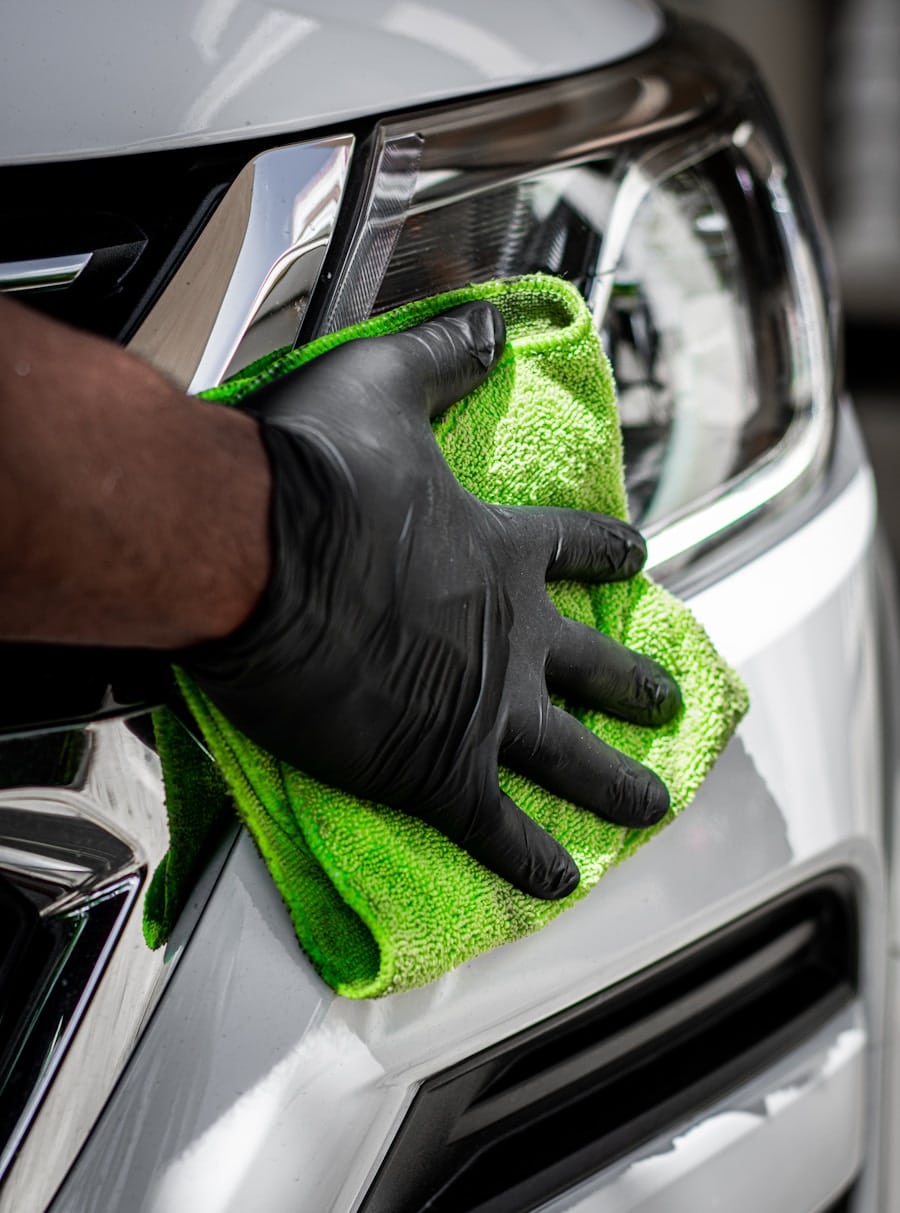
Before diving into the actual detailing process, preparation is key to ensuring that you achieve optimal results. Start by removing all personal items from your vehicle; this includes everything from trash to valuables. Clearing out the clutter not only makes it easier to clean but also allows you to focus on every nook and cranny without distractions.
Once you’ve emptied the car, take a moment to assess its condition. Look for any areas that may require special attention, such as stains on upholstery or scratches on the paint. Next, consider washing the exterior of your car before starting the detailing process.
A thorough wash removes loose dirt and debris that could scratch the paint during detailing. Use a high-quality car shampoo and a soft sponge or mitt to avoid damaging the surface. After washing, rinse thoroughly and dry with a microfiber towel to prevent water spots.
This initial step sets a solid foundation for the detailing process, allowing you to work on a clean slate and achieve better results.
Avoiding Overuse of Cleaning Products
While it may be tempting to use an abundance of cleaning products in hopes of achieving a spotless finish, overusing these products can lead to unintended consequences. Many cleaning agents contain chemicals that can damage surfaces if applied excessively or improperly. For instance, using too much wax can create a cloudy residue on your car’s paint instead of enhancing its shine.
It’s essential to follow the manufacturer’s instructions regarding product usage to avoid such pitfalls. Additionally, overuse of cleaning products can lead to buildup over time, which may require even more intensive cleaning efforts down the line. Instead of slathering on multiple layers of product, focus on applying just enough to get the job done effectively.
This approach not only saves you time and money but also ensures that your car’s surfaces remain in good condition without unnecessary wear and tear.
Paying Attention to Detailing Techniques
The techniques you employ during car detailing can significantly impact the final outcome. For instance, when washing your car, always work from top to bottom; this prevents dirt from running down onto already cleaned areas. Use straight-line motions rather than circular ones when applying wax or polish to avoid swirl marks on the paint.
These small adjustments in technique can make a world of difference in achieving that showroom shine. When it comes to interior detailing, take your time with each section of the car. Use appropriate brushes for different surfaces—soft brushes for delicate areas like vents and harder bristles for carpets or mats.
Pay attention to detail; don’t rush through the process just to finish quickly. The more meticulous you are with your techniques, the more satisfying the end result will be, leaving you with a vehicle that looks as good as new.
Protecting the Car’s Surfaces During Detailing
Enhancing Shine and Easing Future Cleaning
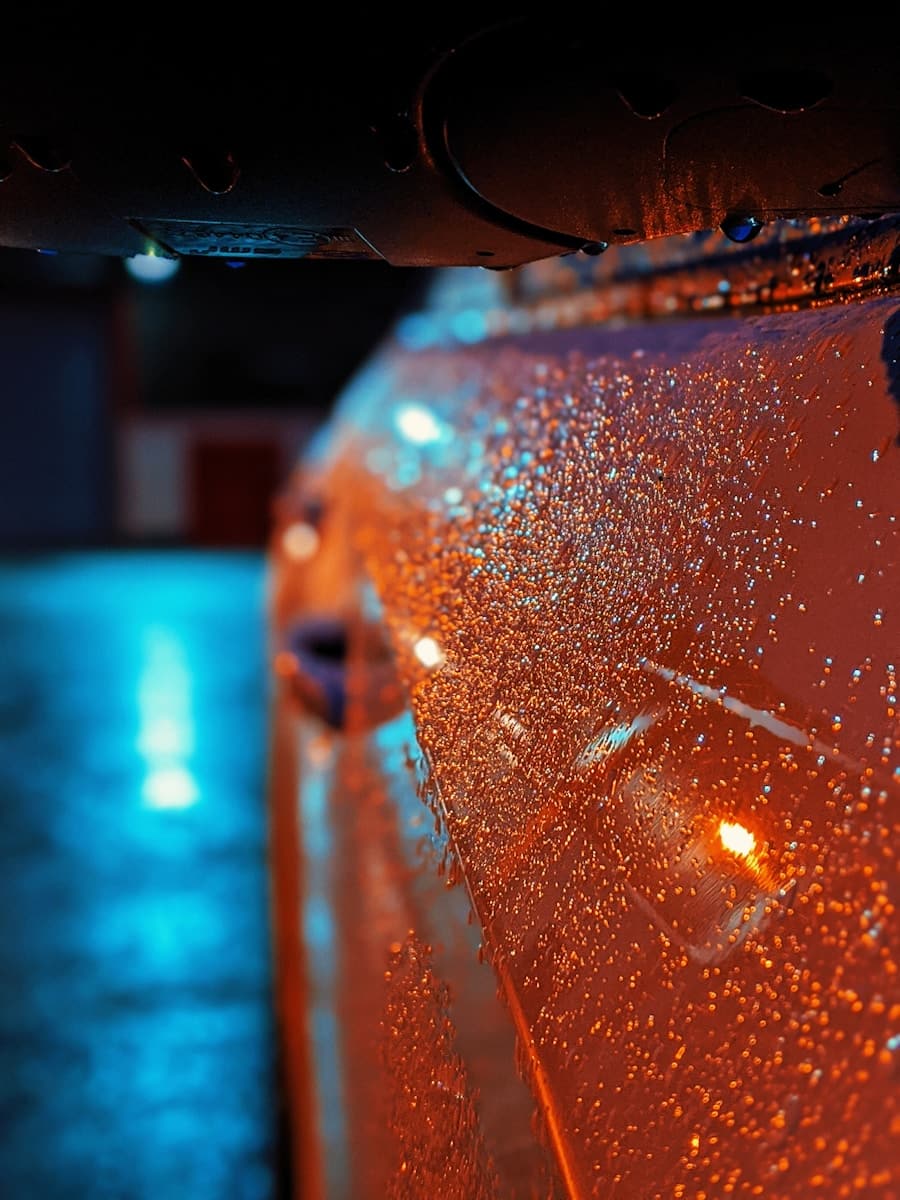
Applying these protective layers not only enhances shine but also makes future cleaning easier. By creating a barrier against contaminants, you can reduce the frequency of washing and waxing, saving you time and effort in the long run.
Protecting Interior Surfaces
For interior surfaces, consider using protectants designed for plastics and vinyls to prevent fading and cracking due to sun exposure. Regularly applying these products can extend the life of your interior materials significantly, keeping your vehicle’s interior looking like new for years to come.
Additional Protection Measures
Additionally, using floor mats can help protect against dirt and spills, making it easier to maintain cleanliness in your vehicle over time. By taking these extra precautions, you can ensure your vehicle remains in top condition, both inside and out.
Avoiding Common Mistakes in Interior Detailing
Interior detailing is often where many people make mistakes that can compromise their efforts. One common error is neglecting hard-to-reach areas such as under seats or between console gaps. These spots can accumulate dust and debris over time, leading to an unkempt appearance even if the rest of the interior looks pristine.
Make it a point to use specialized tools like detailing brushes or compressed air to ensure these areas are thoroughly cleaned. Another mistake is using inappropriate cleaning products on sensitive materials like leather or screens. Harsh chemicals can cause irreversible damage, leading to costly repairs or replacements down the line.
Always test any new product on a small, inconspicuous area before applying it broadly across surfaces. By being mindful of these common pitfalls, you can ensure that your interior detailing efforts yield impressive results without compromising your vehicle’s integrity.
Maintaining the Results of Car Detailing
Once you’ve put in the hard work of detailing your car, maintaining those results is essential for long-term satisfaction. Regular upkeep will help preserve that fresh look and feel you’ve achieved through detailing efforts. Establish a routine cleaning schedule that includes regular vacuuming and wiping down surfaces to prevent dirt buildup between detailings.
Additionally, consider implementing protective measures such as parking in shaded areas or using sunshades when parked outside for extended periods. These simple steps can help minimize sun damage and keep your car looking its best for longer periods. By committing to regular maintenance and being proactive about protecting your vehicle, you ensure that your investment remains in excellent condition while enjoying all the benefits of a well-detailed car every time you hit the road.
If you are looking to avoid common car detailing mistakes, you may also be interested in learning about the best auto body repair shops in Vancouver, Washington. This article provides valuable information on where to find top-notch auto body repair services in the area. Check it out here for more details.
FAQs
What are common car detailing mistakes to avoid?
Some common car detailing mistakes to avoid include using the wrong products, using dirty towels or sponges, neglecting the interior, and rushing through the process.
How can I avoid using the wrong products for car detailing?
To avoid using the wrong products for car detailing, it’s important to research and choose products specifically designed for car surfaces. Avoid using household cleaners or abrasive products that can damage the paint or interior surfaces of the car.
Why is it important to use clean towels and sponges for car detailing?
Using clean towels and sponges is important for car detailing to prevent scratching or swirling the paint. Dirty towels or sponges can trap debris and particles that can cause damage to the car’s surfaces.
What are some tips for avoiding common car detailing mistakes?
Some tips for avoiding common car detailing mistakes include taking your time, using the right products and tools, following proper techniques, and paying attention to detail. It’s also important to regularly maintain and clean your car to prevent the buildup of dirt and grime.





