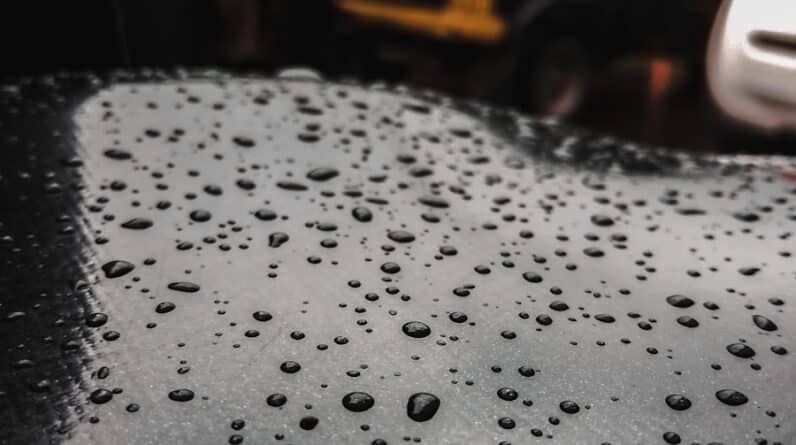
When it comes to maintaining the appearance and longevity of your vehicle, regular washing and waxing are essential practices that should not be overlooked. You might think that a simple wash is enough to keep your car looking good, but the truth is that dirt, grime, and road salt can accumulate over time, leading to potential damage. By washing your car regularly, you remove these harmful substances that can cause scratches and corrosion.
Aim to wash your vehicle at least once every two weeks, or more frequently if you live in an area with harsh weather conditions or if you frequently drive on unpaved roads. Waxing your car is equally important as it provides a protective layer over the paint. This layer not only enhances the shine but also acts as a barrier against UV rays, bird droppings, tree sap, and other contaminants.
You should consider waxing your vehicle every three months to ensure that the protective coating remains effective. When you take the time to wash and wax your car regularly, you are investing in its aesthetic appeal and overall value. A well-maintained exterior can significantly enhance your vehicle’s resale value, making it a wise choice for any car owner.
- Regular washing and waxing helps to protect the car’s exterior from dirt, grime, and environmental elements.
- Checking for rust and corrosion is important to prevent structural damage and maintain the car’s longevity.
- Addressing scratches and dents promptly can prevent further damage and maintain the car’s appearance.
- Keeping an eye on paint fading and addressing it promptly can help maintain the car’s resale value.
- Protecting against environmental elements such as sun, rain, and snow can help prevent damage to the car’s exterior.
Checking for Rust and Corrosion
Rust and corrosion are two of the most insidious enemies of any vehicle. They can develop slowly and often go unnoticed until significant damage has occurred. As a responsible car owner, it is crucial for you to conduct regular inspections of your vehicle’s body and undercarriage.
Pay close attention to areas where moisture can accumulate, such as wheel wells, door sills, and under the hood. If you notice any signs of rust, such as discoloration or flaking paint, it’s essential to address these issues immediately to prevent further deterioration. In addition to visual inspections, consider applying a rust inhibitor or sealant to vulnerable areas of your vehicle.
This proactive measure can help protect against moisture and salt exposure, especially during winter months when roads are treated with de-icing agents. If you live in a coastal area where saltwater is prevalent, be extra vigilant in checking for corrosion. By taking these steps, you can significantly extend the life of your vehicle and maintain its structural integrity.
Addressing Scratches and Dents Promptly

Scratches and dents are inevitable when it comes to owning a vehicle. Whether it’s a minor scrape from a shopping cart or a more significant dent from a parking mishap, these imperfections can detract from your car’s overall appearance. It’s important for you to address these issues promptly rather than letting them linger.
Small scratches can often be repaired with touch-up paint or scratch-removal kits available at auto supply stores. By taking immediate action, you can prevent rust from forming in exposed areas. For more significant dents, consider seeking professional help or using DIY dent repair kits that can help restore your vehicle’s bodywork without the need for expensive repairs.
Ignoring these imperfections not only affects the aesthetics of your car but can also lead to more severe issues down the line. By being proactive in addressing scratches and dents, you maintain not only the visual appeal of your vehicle but also its resale value.
Keeping an Eye on Paint Fading
Over time, exposure to sunlight and environmental elements can lead to paint fading on your vehicle. This gradual process can diminish the vibrancy of your car’s color and make it look older than it is. To combat this issue, you should park your vehicle in shaded areas whenever possible or use a car cover when parked for extended periods.
This simple practice can significantly reduce the amount of UV exposure your car receives. In addition to preventive measures, consider applying a high-quality wax or sealant that offers UV protection. These products create a barrier that helps shield your paint from harmful rays while enhancing its shine.
Regularly washing your car also plays a role in preventing paint fading by removing contaminants that can dull the finish. By being vigilant about paint care, you ensure that your vehicle maintains its aesthetic appeal for years to come.
Protecting Against Environmental Elements
Your vehicle is constantly exposed to various environmental elements that can cause damage over time. From harsh sunlight to acid rain and road salt, these factors can take a toll on your car’s exterior and interior. To protect against these elements, consider investing in protective coatings or films that can shield your vehicle from scratches and UV rays.
These products are designed to provide an additional layer of defense against the elements. Moreover, regular maintenance of your vehicle’s interior is just as important as caring for the exterior. Use sunshades to protect your dashboard from cracking due to sun exposure, and regularly clean and condition leather or fabric seats to prevent wear and tear.
By taking these precautions, you not only preserve the look of your vehicle but also enhance its comfort and functionality.
Monitoring for Structural Damage

While maintaining the exterior appearance of your vehicle is important, monitoring for structural damage is equally crucial for safety and performance. Regularly inspect areas such as the frame, suspension components, and undercarriage for any signs of damage or wear. If you notice any unusual noises while driving or if your vehicle pulls to one side, it may indicate underlying structural issues that need immediate attention.
In addition to visual inspections, consider having your vehicle professionally evaluated at regular intervals. Mechanics can identify potential problems that may not be visible to the untrained eye. Addressing structural damage promptly not only ensures your safety on the road but also prevents more extensive repairs down the line.
By being proactive about monitoring structural integrity, you contribute to the overall longevity and reliability of your vehicle.
Maintaining Proper Alignment and Suspension
Proper alignment and suspension are vital for ensuring a smooth ride and optimal handling of your vehicle. Misalignment can lead to uneven tire wear, decreased fuel efficiency, and compromised safety while driving. You should have your alignment checked regularly, especially if you notice any signs such as pulling to one side or a crooked steering wheel.
Regular alignment checks can help extend the life of your tires and improve overall driving performance. In addition to alignment checks, pay attention to your suspension system. Worn-out shocks or struts can affect ride quality and handling capabilities.
If you experience excessive bouncing or instability while driving, it may be time to have your suspension inspected by a professional. By maintaining proper alignment and suspension, you not only enhance your driving experience but also ensure that your vehicle remains safe and reliable on the road.
Following Manufacturer’s Maintenance Guidelines
One of the most effective ways to keep your vehicle in top condition is by following the manufacturer’s maintenance guidelines outlined in the owner’s manual. These guidelines provide specific recommendations for oil changes, fluid checks, tire rotations, and other essential services tailored to your vehicle’s make and model. By adhering to these recommendations, you ensure that your car operates efficiently and remains reliable over time.
In addition to routine maintenance tasks, pay attention to any recalls or service bulletins issued by the manufacturer. Staying informed about potential issues can help you address them before they become significant problems. By prioritizing regular maintenance according to manufacturer guidelines, you not only enhance the performance of your vehicle but also protect its resale value in the long run.
In conclusion, maintaining your vehicle requires a multifaceted approach that encompasses regular washing and waxing, checking for rust and corrosion, addressing scratches promptly, monitoring paint fading, protecting against environmental elements, keeping an eye on structural integrity, ensuring proper alignment and suspension, and following manufacturer guidelines. By taking these proactive steps, you invest in the longevity and reliability of your vehicle while enhancing its overall appearance and value. Your commitment to maintenance will pay off in both safety on the road and satisfaction in ownership.
If you are looking for innovative ways to maintain your automobile body after repairs, you may be interested in exploring contactless service solutions reshaping car repair experiences through remote and virtual offerings. This article discusses how technology is revolutionizing the auto body repair industry, making it more convenient and efficient for customers. Check out the article here for more information.
FAQs
What are some tips for maintaining my automobile body after repairs?
Some tips for maintaining your automobile body after repairs include washing and waxing the car regularly, addressing any scratches or dents promptly, and avoiding exposure to harsh elements such as extreme heat or salt.
How often should I wash and wax my car after repairs?
It is recommended to wash your car every 1-2 weeks and wax it every 3-4 months to maintain the paint and protect it from environmental damage.
What should I do if I notice new scratches or dents on my car after repairs?
If you notice new scratches or dents on your car after repairs, it is important to address them promptly to prevent further damage. You can either touch up the scratches yourself or take your car to a professional for repairs.
How can I protect my car from harsh elements after repairs?
To protect your car from harsh elements after repairs, you can park it in a garage or shaded area, use a car cover, and avoid driving on roads treated with salt or chemicals during winter months.
Are there any specific products I should use to maintain my car’s body after repairs?
There are various car care products available in the market, including car wash soap, wax, and scratch repair kits, that can help you maintain your car’s body after repairs. It is important to choose products that are suitable for your car’s specific paint and finish.