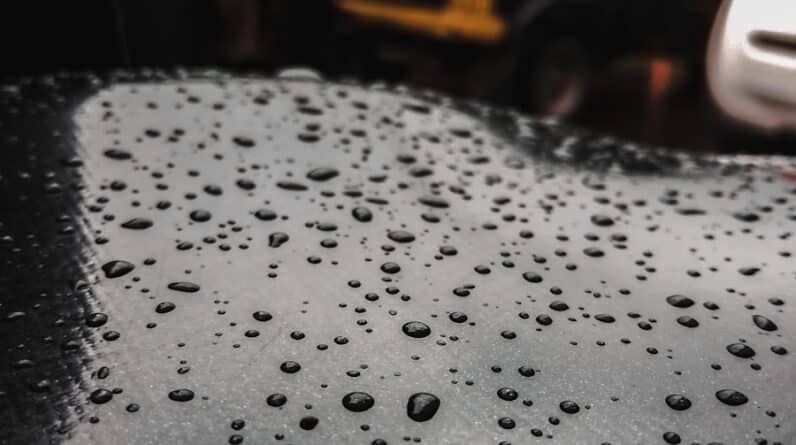
Rust is a common issue that many car owners face, and understanding its causes is the first step in preventing it. At its core, rust is a form of corrosion that occurs when iron or its alloys, such as steel, are exposed to moisture and oxygen over time. This chemical reaction leads to the formation of iron oxide, commonly known as rust.
You might be surprised to learn that even small amounts of moisture can initiate this process, especially if your vehicle is frequently exposed to wet conditions or high humidity. Additionally, environmental factors play a significant role in the development of rust. If you live in an area where road salt is used during winter months, your vehicle is at an increased risk.
The salt accelerates the corrosion process by attracting moisture, creating a perfect environment for rust to thrive. Furthermore, neglecting minor scratches or paint chips can expose the underlying metal to the elements, making it more susceptible to rust formation. By understanding these causes, you can take proactive measures to protect your vehicle from this damaging phenomenon.
- Rust is caused by a combination of moisture, oxygen, and metal, making it important to keep your car dry and clean.
- Regular washing and waxing can help protect your car’s paint and prevent rust from forming.
- Using rust inhibitors can provide an extra layer of protection for your car’s metal surfaces.
- Keeping the car’s undercarriage clean is essential, as it is often exposed to moisture and road salt.
- Repairing paint chips and scratches promptly can prevent rust from forming on exposed metal surfaces.
Regular Washing and Waxing
One of the most effective ways to combat rust is through regular washing and waxing of your vehicle. When you wash your car, you remove dirt, grime, and other contaminants that can trap moisture against the metal surfaces. This is particularly important in areas where road salt is prevalent, as salt can cling to your vehicle and promote rust if not washed away promptly.
You should aim to wash your car at least once every two weeks, or more frequently during winter months when salt is used on the roads. Waxing your vehicle after washing adds an extra layer of protection against moisture and environmental contaminants. A good quality wax creates a barrier that repels water and prevents it from settling on the surface of your car.
This not only helps to keep your paint looking fresh but also reduces the likelihood of rust forming. By incorporating regular washing and waxing into your car care routine, you can significantly extend the life of your vehicle and maintain its aesthetic appeal.
Using Rust Inhibitors
In addition to washing and waxing, using rust inhibitors can be a game-changer in protecting your vehicle from corrosion. Rust inhibitors are specially formulated products designed to create a protective barrier on metal surfaces, preventing moisture and oxygen from coming into contact with the metal. You can find these products in various forms, including sprays, paints, and undercoatings, making it easy to apply them to different areas of your vehicle.
When applying rust inhibitors, focus on vulnerable areas such as the undercarriage, wheel wells, and any exposed metal surfaces. These areas are often more susceptible to rust due to their exposure to road debris and moisture. By taking the time to apply a rust inhibitor, you are investing in the longevity of your vehicle and reducing the risk of costly repairs down the line.
Regularly reapplying these products, especially after washing or during seasonal changes, will ensure that your vehicle remains protected against rust.
Keeping the Car’s Undercarriage Clean
The undercarriage of your vehicle is often overlooked when it comes to maintenance, yet it is one of the most critical areas for preventing rust. This part of your car is exposed to dirt, grime, salt, and moisture from the road, making it particularly vulnerable to corrosion. To keep your undercarriage clean, consider using a pressure washer or taking your vehicle to a car wash that offers undercarriage cleaning services.
This will help remove any accumulated debris that could trap moisture against the metal. In addition to regular cleaning, inspecting the undercarriage for signs of rust or damage is essential. Look for any areas where the paint has chipped away or where you see discoloration on the metal.
If you notice any issues, addressing them promptly can prevent further corrosion from developing. By prioritizing the cleanliness of your car’s undercarriage, you are taking a proactive approach to rust prevention that will pay off in the long run.
Repairing Paint Chips and Scratches
Paint chips and scratches may seem like minor cosmetic issues, but they can lead to significant problems if left unaddressed. When the protective paint layer is compromised, it exposes the underlying metal to moisture and air, creating an ideal environment for rust to form. Therefore, it’s crucial for you to repair any chips or scratches as soon as you notice them.
You can easily fix small paint chips with touch-up paint available at auto parts stores or through your vehicle’s manufacturer. For larger scratches or areas where the paint has peeled away, consider seeking professional help for a more seamless repair. By taking these steps to maintain your vehicle’s paint job, you are not only enhancing its appearance but also safeguarding it against rust damage.
Checking for Drainage Issues
Another important aspect of rust prevention is ensuring that your vehicle has proper drainage. Many cars are designed with drainage systems that allow water to escape from areas like door sills and sunroofs. However, these drainage systems can become clogged with debris over time, leading to water accumulation in areas where it shouldn’t be.
You should regularly check these drainage points to ensure they are clear and functioning properly. If you notice water pooling in certain areas of your vehicle, it’s essential to address this issue immediately. Clogged drainage can lead to moisture buildup and create an environment conducive to rust formation.
By keeping an eye on drainage issues and addressing them promptly, you can significantly reduce the risk of rust developing in hidden areas of your car.
Avoiding Salt and Chemical Exposure
If you live in a region where road salt is used during winter months or where chemicals are prevalent due to industrial activities, it’s crucial for you to take extra precautions with your vehicle. Salt and certain chemicals can accelerate the rusting process by promoting corrosion when they come into contact with metal surfaces. To minimize exposure, consider parking your car in a garage during winter months or using a car cover when parked outside.
Additionally, if you frequently drive on salted roads or through areas with chemical runoff, make it a habit to wash your car more often during these seasons. This will help remove any salt or chemical residue that may cling to your vehicle’s surface. By being proactive about avoiding salt and chemical exposure, you can significantly reduce the likelihood of rust forming on your car.
Regular Inspections and Maintenance
Finally, regular inspections and maintenance are key components in preventing rust on your vehicle. You should make it a habit to inspect your car for any signs of wear and tear at least once a month. Look for any signs of rust or corrosion in visible areas such as wheel wells, door edges, and undercarriage components.
If you notice any issues during your inspection, address them immediately before they escalate into more significant problems. In addition to self-inspections, consider scheduling professional maintenance checks at least twice a year. A qualified mechanic can identify potential rust issues that may not be visible to the untrained eye and recommend appropriate solutions.
By committing to regular inspections and maintenance routines, you are taking proactive steps toward preserving your vehicle’s integrity and extending its lifespan. In conclusion, preventing rust on your vehicle requires a multifaceted approach that includes understanding its causes, maintaining cleanliness, using protective products, and conducting regular inspections. By implementing these strategies into your car care routine, you can significantly reduce the risk of rust formation and ensure that your vehicle remains in excellent condition for years to come.
Taking these proactive measures not only protects your investment but also enhances your driving experience by keeping your car looking great and functioning optimally.
If you are looking for tips on preventing rust on your automobile body, you may also be interested in reading about the best auto body repair shops in Port St. Lucie, Florida. This article provides valuable information on where to take your car for repairs and maintenance to keep it in top condition. Check it out here.
FAQs
What causes rust on an automobile body?
Rust on an automobile body is caused by the oxidation of iron and steel when they come into contact with moisture and oxygen. This process is accelerated by exposure to road salt, chemicals, and environmental factors.
How can I prevent rust on an automobile body?
To prevent rust on an automobile body, it is important to regularly wash and wax the vehicle to remove dirt, salt, and other corrosive materials. Additionally, keeping the vehicle in a garage or covered parking area can help protect it from the elements.
Are there any specific products or treatments that can help prevent rust?
There are various rust prevention products and treatments available, such as rust inhibitors, undercoating, and rust-proofing sprays. These products can be applied to the vehicle’s undercarriage and other vulnerable areas to provide an additional layer of protection against rust.
How often should I inspect my vehicle for signs of rust?
It is recommended to inspect your vehicle for signs of rust at least once a year, or more frequently if you live in a region with harsh winter weather or high levels of road salt usage. Pay close attention to areas such as the wheel wells, undercarriage, and around the door and trunk seals.
What should I do if I find rust on my automobile body?
If you find rust on your automobile body, it is important to address it as soon as possible to prevent it from spreading. Depending on the severity of the rust, you may need to sand and repaint the affected area, or seek professional help for more extensive repairs.