When it comes to vehicle repair and maintenance, achieving perfect alignment of body panels is crucial. You may not realize it, but the alignment of these panels affects not only the aesthetic appeal of your vehicle but also its overall performance and safety. Misaligned panels can lead to issues such as increased wind noise, water leaks, and even compromised structural integrity.
Therefore, understanding the significance of perfect alignment is the first step in ensuring that your vehicle remains in optimal condition. Moreover, perfect alignment contributes to the longevity of your vehicle. When body panels are aligned correctly, they fit snugly against one another, reducing the risk of rust and corrosion that can occur when gaps allow moisture to seep in.
Additionally, proper alignment can enhance the aerodynamics of your vehicle, improving fuel efficiency and driving dynamics. As you embark on the journey of aligning body panels, keep in mind that this process is not merely about aesthetics; it is a fundamental aspect of vehicle maintenance that can save you time and money in the long run.
- Perfect alignment is crucial for the overall appearance and functionality of a vehicle
- Proper preparation of the vehicle is essential for achieving accurate body panel alignment
- Using the right tools and equipment is key to achieving precise alignment
- Regular assessment and correction of misalignments is necessary for a flawless finish
- Ensuring proper fit and gap measurements is important for a professional-looking result
Preparing the Vehicle for Body Panel Alignment
Step 1: Park on a Level Surface
Before starting the alignment process, it is crucial to park your vehicle on a level surface. This step is vital because an uneven surface can lead to inaccurate measurements and misalignments.
Clear the Surrounding Area and Gather Necessary Documents
Once your vehicle is positioned correctly, inspect the surrounding area for any obstructions that might hinder your work. Clear away any tools or debris that could interfere with your alignment efforts. Next, gather all necessary documentation related to your vehicle’s specifications, including service manuals or repair guides that provide detailed information about the body panel dimensions and alignment procedures specific to your make and model.
Familiarize Yourself with Vehicle Specifications and Take Visual References
Familiarizing yourself with the documentation will give you a solid foundation for understanding how each panel should fit together. Additionally, consider taking photographs of the current alignment before making any adjustments; this visual reference can be invaluable as you work through the process.
Using Proper Tools and Equipment
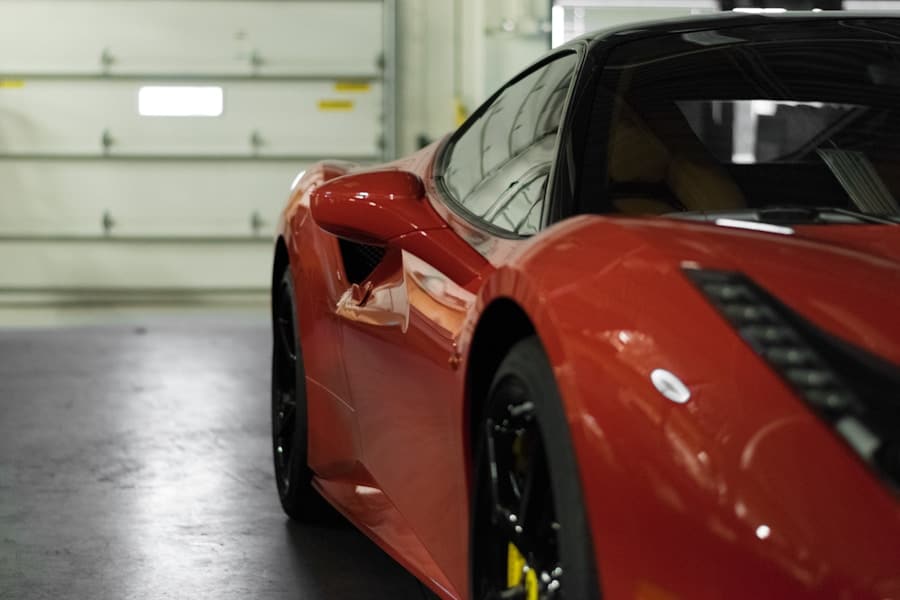
Equipping yourself with the right tools and equipment is vital for achieving successful body panel alignment. You will need a variety of tools, including wrenches, screwdrivers, and pliers, to remove and adjust panels as necessary. However, specialized tools such as a body alignment gauge or a laser alignment tool can significantly enhance your accuracy.
These tools allow you to measure gaps and alignments with precision, ensuring that each panel fits perfectly. In addition to hand tools, consider investing in a quality jack and jack stands to lift your vehicle safely. This equipment will provide you with better access to the undercarriage and allow for more comfortable working conditions.
Remember that using the right tools not only makes the job easier but also minimizes the risk of damaging your vehicle during the alignment process. As you gather your equipment, take a moment to familiarize yourself with each tool’s function; this knowledge will streamline your workflow and improve your overall efficiency.
Assessing and Correcting Misalignments
Once you have prepared your vehicle and gathered your tools, it’s time to assess any misalignments in the body panels. Begin by visually inspecting each panel for gaps or unevenness. Pay close attention to areas where panels meet, as these are often the most susceptible to misalignment.
If you notice any discrepancies, take detailed notes on which panels require adjustment. After identifying misalignments, it’s essential to correct them methodically. Start by loosening the bolts or fasteners securing the misaligned panels.
This step will allow you to reposition them without causing damage. Gently adjust each panel until it aligns correctly with its neighboring panels, ensuring that you maintain a consistent gap throughout. It may take several attempts to achieve perfect alignment, so be patient and make incremental adjustments as needed.
Remember that this process is about precision; rushing through it could lead to further complications down the line.
Ensuring Proper Fit and Gap Measurements
Achieving proper fit and gap measurements is a critical aspect of body panel alignment that cannot be overlooked. Once you have made adjustments to the panels, it’s time to measure the gaps between them carefully. Ideally, these gaps should be uniform and consistent across all panels.
Use a feeler gauge or caliper to measure the gaps accurately; this will help you identify any areas that still require adjustment. In addition to measuring gaps, ensure that each panel fits snugly against its adjacent panel without excessive force. A well-aligned panel should not require significant pressure to close or latch properly.
If you find that a panel is too tight or too loose, revisit your adjustments and make necessary corrections. This attention to detail will not only enhance the appearance of your vehicle but also contribute to its overall functionality and safety.
Securing Panels in Place
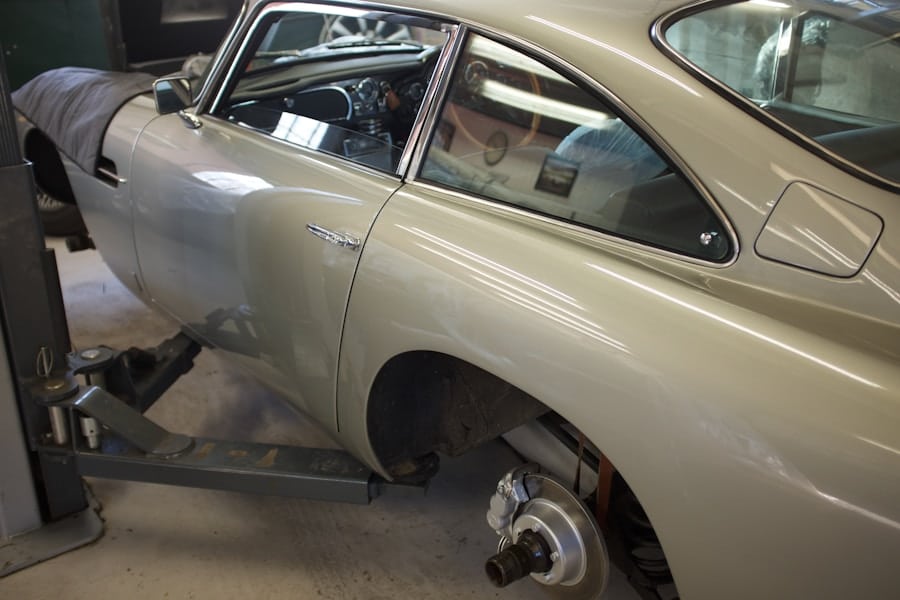
Once you are satisfied with the alignment and fit of each body panel, it’s time to secure them in place. Begin by tightening all bolts and fasteners according to the manufacturer’s specifications. It is crucial to follow these guidelines closely, as overtightening can lead to damage or warping of the panels while undertightening may result in future misalignments.
After securing all panels, take a moment to double-check your work. Ensure that each panel remains aligned and that there are no visible gaps or inconsistencies. If everything looks good, consider applying a thread-locking compound to the bolts for added security.
This step will help prevent loosening over time due to vibrations from driving. By taking these precautions, you can rest assured that your body panels will remain securely in place for years to come.
Checking for Final Alignment
With all panels secured, it’s time for a final alignment check before concluding your work. Step back and visually inspect the entire vehicle from various angles; this perspective can reveal any subtle misalignments that may have been overlooked during previous checks. Additionally, consider using a straight edge or level tool along the edges of each panel to ensure they are straight and true.
If you notice any discrepancies during this final inspection, don’t hesitate to make additional adjustments as needed. Remember that achieving perfect alignment is an iterative process; it may take several rounds of adjustments before everything aligns perfectly. Once you are confident in your work, take a moment to appreciate the transformation you’ve achieved—your vehicle should now look more polished and professional than ever.
Finishing and Refinishing the Panels
The final step in the body panel alignment process involves finishing and refinishing the panels for a seamless appearance. If any paint has been scratched or damaged during the alignment process, now is the time to touch it up. Use high-quality automotive paint that matches your vehicle’s color code for best results.
Applying multiple thin coats rather than one thick coat will help achieve an even finish. In addition to paint touch-ups, consider applying a protective sealant or wax over the newly aligned panels. This step will not only enhance their appearance but also provide an extra layer of protection against environmental elements such as UV rays and moisture.
Once you’ve completed these finishing touches, take a moment to admire your hard work; you’ve successfully navigated the complexities of body panel alignment and ensured that your vehicle looks great while performing optimally on the road. In conclusion, perfect alignment of body panels is an essential aspect of vehicle maintenance that impacts both aesthetics and functionality. By understanding its importance, preparing adequately, using proper tools, assessing misalignments, ensuring fit measurements, securing panels, checking final alignments, and finishing with care, you can achieve professional results in your vehicle repair endeavors.
Your attention to detail will not only enhance your vehicle’s appearance but also contribute significantly to its longevity and performance on the road.
If you are looking to earn your mechanic’s trust and have a positive auto repair experience, you may want to check out the article Earning Your Mechanic’s Trust: Techniques for Positive Auto Repair Experiences. This article provides valuable insights on how to build a good relationship with your mechanic and ensure that your car repairs are done correctly. It also discusses the importance of mastering car repair financials, warranty, insurance, and peace of mind, which are crucial aspects of the auto repair process.
FAQs
What is the importance of achieving perfect alignment of body panels in automobile body repair?
Achieving perfect alignment of body panels is important for maintaining the structural integrity of the vehicle, ensuring proper aerodynamics, and enhancing the overall appearance of the vehicle.
What are the common methods used to achieve perfect alignment of body panels in automobile body repair?
Common methods include using measuring tools such as tram gauges, laser measuring systems, and electronic measuring systems to ensure precise alignment of body panels.
What are the steps involved in achieving perfect alignment of body panels in automobile body repair?
The steps typically involve assessing the damage, straightening the frame or unibody structure, aligning the body panels using measuring tools, and then welding or fastening the panels in place.
Why is it important to seek professional help for achieving perfect alignment of body panels in automobile body repair?
Professional technicians have the expertise, experience, and specialized tools to ensure that the body panels are aligned correctly, which is crucial for the safety and performance of the vehicle.