When it comes to modifying your vehicle, understanding the laws and regulations that govern such changes is crucial. Each state or country has its own set of rules regarding vehicle modifications, and failing to comply can lead to hefty fines or even the inability to legally drive your car. You should start by researching local laws that pertain to vehicle modifications, including restrictions on certain types of alterations, such as engine swaps, suspension changes, or the installation of aftermarket parts.
Familiarizing yourself with these regulations will not only keep you compliant but also ensure that your modifications enhance your driving experience without legal repercussions. Moreover, it’s essential to consider how these laws can vary significantly from one jurisdiction to another. For instance, some areas may have stringent emissions standards that affect what modifications you can make, while others might be more lenient.
You should also be aware of any inspections or certifications required after making modifications. In some cases, you may need to have your vehicle inspected by a certified professional to ensure that it meets safety and emissions standards. By taking the time to understand these laws and regulations, you can avoid potential pitfalls and enjoy your modified vehicle with peace of mind.
- Understanding the laws and regulations is crucial before making any modifications to your vehicle.
- Choose the right modifications that comply with the laws and regulations in your area.
- Work with certified mechanics and technicians to ensure that the modifications are done safely and correctly.
- Ensure safety and reliability by thoroughly testing the modifications before regular use.
- Obtain proper documentation and certification for the modifications to avoid legal issues and ensure compliance.
Choosing the Right Modifications
Performance Upgrades
For instance, if you’re looking to boost your car’s performance, you might consider upgrading the exhaust system or installing a turbocharger. However, these changes can also affect fuel efficiency and may require additional modifications to other systems in your vehicle.
Aesthetic Modifications
In addition to performance upgrades, aesthetic modifications can significantly change the look of your vehicle. You might want to explore options like custom paint jobs, new rims, or body kits. However, it’s important to ensure that any aesthetic changes you make comply with local regulations regarding vehicle appearance.
Considering Resale Value and Personalization
You should also consider how these modifications will impact the resale value of your car. Some modifications may appeal to a niche market but could deter potential buyers who prefer a more stock appearance. By carefully considering your options and aligning them with your goals, you can create a vehicle that truly reflects your personality and preferences.
Working with Certified Mechanics and Technicians
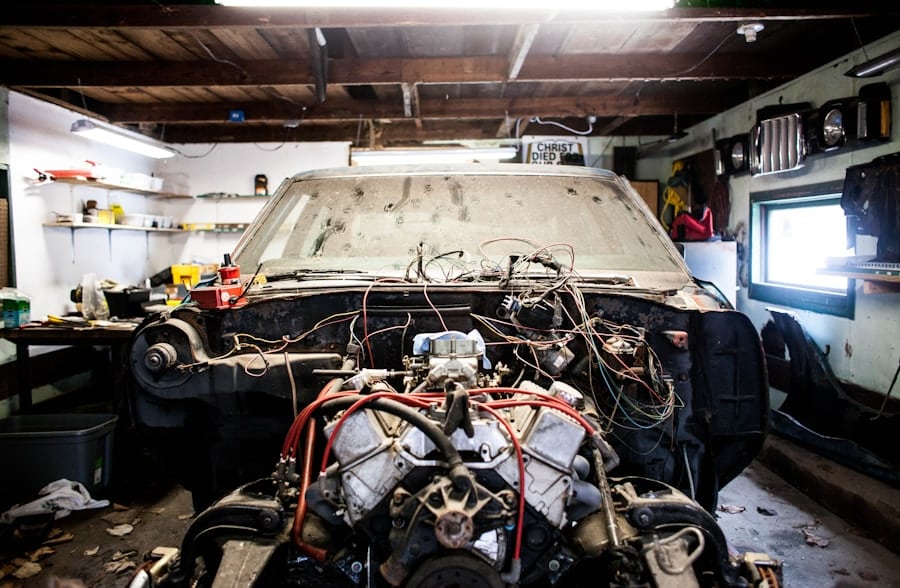
Once you’ve decided on the modifications you want to make, collaborating with certified mechanics and technicians is essential for ensuring quality work. You should seek out professionals who have experience with the specific modifications you’re considering. A skilled mechanic will not only have the technical know-how but also an understanding of how different modifications interact with one another.
This expertise is invaluable in preventing issues down the line and ensuring that your vehicle operates smoothly after the changes are made. Additionally, working with certified professionals can provide you with peace of mind regarding safety and reliability. These experts are often familiar with the latest industry standards and best practices, which can help you avoid common pitfalls associated with DIY modifications.
You should also ask for references or read reviews from previous customers to gauge the quality of their work. By investing time in finding the right mechanic or technician, you can ensure that your vehicle receives the care it deserves, ultimately leading to a more enjoyable driving experience.
Ensuring Safety and Reliability
Safety should always be a top priority when modifying your vehicle. While it’s tempting to focus solely on aesthetics or performance enhancements, you must consider how these changes can impact the overall safety of your car. For example, lowering your vehicle’s suspension may improve handling but could also affect its stability during sudden maneuvers.
You should take the time to research how each modification can influence safety features such as braking distance, visibility, and overall handling. Reliability is another critical aspect to consider when making modifications. You want to ensure that any changes you make do not compromise the integrity of your vehicle’s systems.
For instance, upgrading your engine may require additional cooling systems or adjustments to the fuel delivery system to maintain reliability. It’s essential to consult with professionals who can guide you on how to make modifications that enhance performance without sacrificing reliability. By prioritizing safety and reliability in your modification process, you can enjoy a vehicle that not only looks great but also performs well under various driving conditions.
Obtaining Proper Documentation and Certification
After making modifications to your vehicle, obtaining proper documentation and certification is vital for legal compliance and insurance purposes. Depending on the nature of the changes you’ve made, you may need to secure specific permits or certifications from local authorities. This documentation serves as proof that your vehicle meets safety and emissions standards post-modification.
You should keep all relevant paperwork organized and easily accessible in case you need to present it during inspections or when dealing with law enforcement. In addition to legal documentation, having certification from reputable organizations can enhance the credibility of your modifications. For example, if you’ve installed aftermarket parts from well-known manufacturers, obtaining installation certificates can provide assurance that these components were installed correctly and safely.
This documentation can also be beneficial if you decide to sell your vehicle in the future, as it demonstrates that the modifications were done professionally and in compliance with regulations. By prioritizing proper documentation and certification, you can protect yourself from potential legal issues while enhancing the value of your modified vehicle.
Being Mindful of Emissions and Environmental Impact
Choosing Environmentally Friendly Modifications
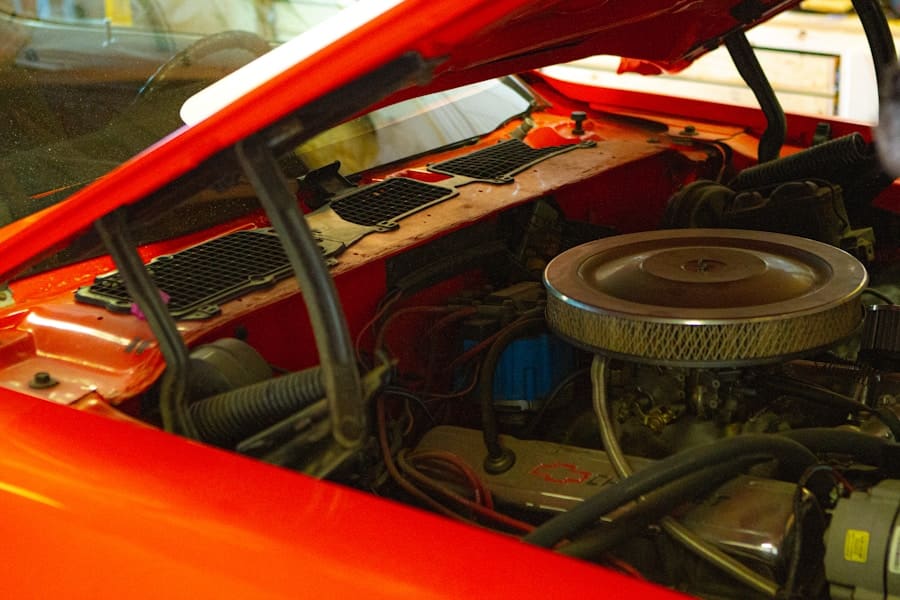
This might involve selecting aftermarket parts designed specifically for low emissions or considering alternative fuel options. Moreover, being environmentally conscious doesn’t just benefit compliance; it can also enhance your vehicle’s efficiency and performance. For instance, upgrading to a high-efficiency exhaust system can improve airflow while reducing harmful emissions.
Improving Fuel Efficiency
Additionally, considering lightweight materials for certain modifications can improve fuel efficiency by reducing overall weight. This can lead to cost savings on fuel in the long run.
Benefits of Environmentally Responsible Modifications
By taking an environmentally responsible approach to your vehicle modifications, you not only contribute positively to the planet but also potentially save money on fuel costs in the long run.
Understanding Insurance Implications
Modifying your vehicle can have significant implications for your insurance coverage, so it’s essential to understand how these changes may affect your policy. Many insurance companies require policyholders to disclose any modifications made to their vehicles, as these changes can impact both risk assessment and coverage options. You should reach out to your insurance provider before making any significant alterations to discuss how they will affect your premiums and coverage limits.
In some cases, certain modifications may even require additional coverage or specialized policies. For example, if you install high-performance parts or make extensive alterations that increase the value of your vehicle, you may need to adjust your policy accordingly. Failing to inform your insurer about modifications could result in denied claims in the event of an accident or theft.
By proactively discussing potential changes with your insurance provider, you can ensure that you remain adequately covered while enjoying your customized ride.
Staying Informed and Keeping Up with Maintenance
Finally, staying informed about ongoing maintenance needs is crucial after modifying your vehicle. Modifications often require different maintenance schedules or procedures than stock vehicles, so it’s essential to familiarize yourself with these requirements. Regular maintenance not only ensures optimal performance but also prolongs the life of your modified components.
You should keep a detailed log of all maintenance performed on your vehicle, including any modifications made and their corresponding service records. Additionally, staying informed about new products or technologies related to your modifications can help you make better decisions regarding upgrades or replacements in the future. Joining online forums or local car clubs can provide valuable insights from fellow enthusiasts who share similar interests in vehicle customization.
By actively engaging with these communities and keeping up with maintenance schedules, you can enjoy a well-functioning modified vehicle that meets both your performance expectations and personal style preferences for years to come.
If you are interested in auto body customization and expressing yourself through design, you may want to check out the article Unveiling the Secrets of Auto Body Customization: Expressing Yourself Through Design. This article delves into the world of customizing your vehicle’s appearance to truly make it your own.
FAQs
What are some common modifications for improving automobile performance?
Some common modifications for improving automobile performance include upgrading the exhaust system, installing a cold air intake, adding a performance chip or tuner, upgrading the suspension, and installing high-performance tires.
How can I ensure that my automobile modifications are legal?
To ensure that your automobile modifications are legal, it is important to research and understand the laws and regulations in your specific location. Some modifications may require approval from local authorities or may not be legal for street use.
What are some safety considerations when modifying an automobile for performance?
When modifying an automobile for performance, it is important to consider the impact on safety. Upgrading brakes, ensuring proper tire fitment, and maintaining proper suspension geometry are all important factors to consider for safety when modifying an automobile for performance.
Do automobile modifications affect insurance coverage?
Automobile modifications can affect insurance coverage, as some insurance companies may consider modifications when determining coverage and premiums. It is important to notify your insurance company of any modifications to ensure that you have the appropriate coverage.
Should I consult a professional when modifying my automobile for performance?
Consulting a professional when modifying your automobile for performance is highly recommended, especially for complex modifications. A professional can provide guidance on the best modifications for your specific vehicle and ensure that the modifications are installed correctly and safely.